Hablamos Español

877-792-9360

hello@routeway360.com

Hablamos Español

Tool Dealer Online Sales Coverage & Franchise Rules 2026

Uncategorized

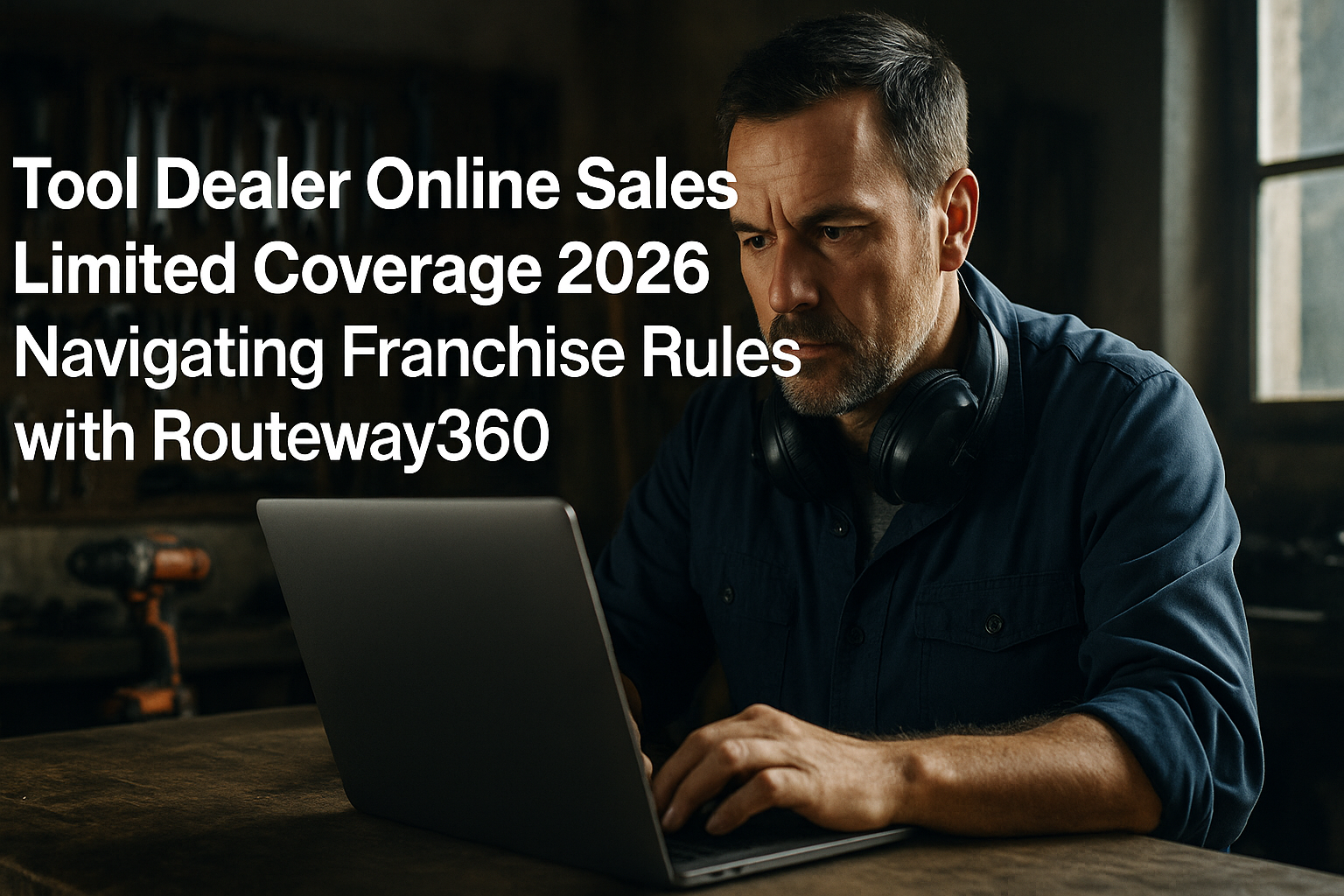
Tool Dealer Online Sales Limited Coverage 2026: Navigating Franchise Rules with Routeway360

As 2026 approaches, tool dealers looking to expand their sales channels face a complex landscape—especially when it comes to online sales coverage intertwined with franchise restrictions. Many want to explore limited online sales but worry about overstepping franchise agreements that have long governed their operations. Fortunately, Routeway360 specializes in guiding businesses through these challenges, helping you add online sales coverage without triggering legal issues.

If you’re a tool dealer ready to grow your online presence but constrained by franchise contracts, get a personalized quote from Routeway360 and discover how a tailored strategy can keep you compliant and confident.

Routeway360 box truck at warehouse dock during golden hour

Understanding Franchise Rules Affecting Tool Dealer Online Sales

Most tool dealers operate under franchise or distribution agreements loaded with strict rules about when, where, and how online sales can occur. Traditionally, these agreements have limited online sales to protect territories and maintain brand integrity. Crossing those boundaries could lead to serious consequences, including losing franchise rights or facing costly lawsuits.

However, as the market evolves and customers demand online options, manufacturers and dealers are reconsidering traditional sales models. Yet many franchise contracts remain restrictive, limiting e-commerce channels unless explicitly approved.

This is where Routeway360 excels: by interpreting the fine print of your franchise agreements and crafting insurance and business plans that fit neatly within those limits. This approach enables dealers to cautiously test online sales while remaining legally compliant.

Ready for more details? Explore our tool dealer coverage essentials to learn how to protect your business effectively.

Online sales restrictions conceptual illustration

What Does “Limited Online Sales Coverage” Mean for Tool Dealers?

Think of limited online sales coverage as a permission pass allowing tool dealers to sell online—but within defined boundaries. Typically, this includes:

  • Restricting online sales to approved territories or customer segments
  • Conducting transactions only through manufacturer-authorized websites or portals
  • Maintaining separate inventory earmarked specifically for online sales
  • Adhering to strict guidelines on advertising, branding, and delivery to comply with franchise policies

Manufacturers are increasingly adopting limited online sales strategies as a compromise—letting dealers meet customer demand without compromising territorial rights. Insurance policies tailored for limited online sales protect your inventory, assets, and liabilities linked to this sales channel.

Choosing coverage that explicitly includes your online sales within the franchise framework is crucial—it helps avoid coverage gaps common in outdated policies.

Learn more about how tool dealer insurance is evolving to support these new sales models.

Tool dealer sales compliance and risk management

How Routeway360 Supports Navigating Restrictions in 2026

With 2026 on the horizon, franchise agreements and regulatory oversight may tighten limits on online tool dealer sales. That’s why Routeway360’s expertise is invaluable: we help dealers balance compliance risks while opening new sales opportunities by:

  1. Detailed Risk Assessment: We analyze your franchise agreements to clarify where online sales are permitted and identify any restrictions.
  2. Custom Insurance Coverage: Our policies are designed to match your specific online sales setup—covering product liability, inventory, and cyber risks tied to approved transactions.
  3. Compliance Guidance: We keep you informed about advertising rules, sales channels, and transaction limits to avoid franchise violations.
  4. Ongoing Policy Reviews: Franchise rules evolve, so we regularly review your coverage to keep it current as your business expands.

Partnering with Routeway360 empowers tool dealers to confidently embrace online sales without risking franchise disputes or insurance shortfalls. It’s a strategic way to protect your business and prepare for a digital-first future.

Interested in how incorporation services combined with smart insurance can strengthen your dealership? Discover those options today.

Examples of limited online sales coverage in action

Examples of Limited Online Sales Coverage in Action

Imagine a regional tool dealer authorized to sell online only within a single state or exclusively to select business customers. With tailored limited online sales coverage:

  • They fulfill online orders solely from approved areas, avoiding unauthorized sales beyond franchise boundaries.
  • Their insurance covers product liability claims related to online customers, offering peace of mind.
  • They avoid penalties by ensuring online branding and marketing comply with franchise guidelines.

Another scenario: a dealer launches a manufacturer-approved marketplace site for limited online sales, backed by insurance that protects against cyber threats and transaction exposures. This balance of compliance and growth expands sales channels responsibly.

These examples highlight practical ways dealers respect restrictions while scaling revenue.

Preparing your tool dealership for online sales growth

Preparing Your Tool Dealership for 2026 and Beyond

Franchise rules and online sales coverage will continue to shift as technology advances and manufacturers adjust their approaches. Prepare by:

  1. Staying Informed: Regularly review your franchise documents and manufacturer updates to identify changes and new opportunities.
  2. Partnering with Experts: Work with insurance specialists and legal professionals who understand the nuances of tool dealer franchises and online sales challenges.
  3. Investing in Proper Coverage: Select insurance policies that explicitly cover limited online sales, closing potential risk gaps.
  4. Implementing Compliance Programs: Establish internal controls to monitor online sales and marketing, ensuring adherence to franchise rules at every step.

Routeway360 provides a comprehensive suite of support—insurance, compliance, and business structure counsel—to ready your dealership for the road ahead.

Bonus tip: Explore our resources on business banking for small businesses to complement your growth strategy.

Frequently asked questions about sales coverage

Frequently Asked Questions About Tool Dealer Online Sales Coverage

1. Can I sell tools online without violating franchise agreements?

That depends on your franchise terms. Limited online sales are often possible if you follow territorial restrictions, sales volume limits, and manufacturer guidelines. Routeway360’s expert advice can clarify your options.

2. What kind of insurance covers limited online sales?

You’ll typically need coverage including product liability, inventory protection, and cyber liability tailored to authorized online transactions. Routeway360 develops policies precisely for these needs.

3. Will expanding online sales increase my insurance premiums?

Potentially, but well-designed limited online sales coverage can mitigate premium increases by managing risk and respecting franchise terms. Customized policies balance protection and cost.

4. How can I ensure my online advertising complies with franchise rules?

Use manufacturer-approved branding and have marketing materials reviewed as required. Routeway360 also offers compliance support to keep your advertising aligned.

5. Are franchise rules on online sales expected to change in 2026?

Many manufacturers are reconsidering policies as market dynamics shift, though changes vary. Staying connected with trusted partners like Routeway360 helps you adapt smoothly.

Conclusion: Safely Expand Your Tool Dealership’s Online Sales in 2026

Introducing limited online sales coverage offers a promising yet delicate path for tool dealers. By understanding franchise limitations and customizing coverage, dealers can embrace e-commerce without jeopardizing key agreements or insurance protections. With Routeway360’s deep expertise in tool dealer insurance and compliance, you can innovate boldly—and wisely.

Ready to safeguard your dealership’s future with robust online sales coverage? Start your coverage with Routeway360 today and navigate 2026’s franchise challenges with confidence.
Regional Bakery Route Insurance Strategies for 2026

Uncategorized

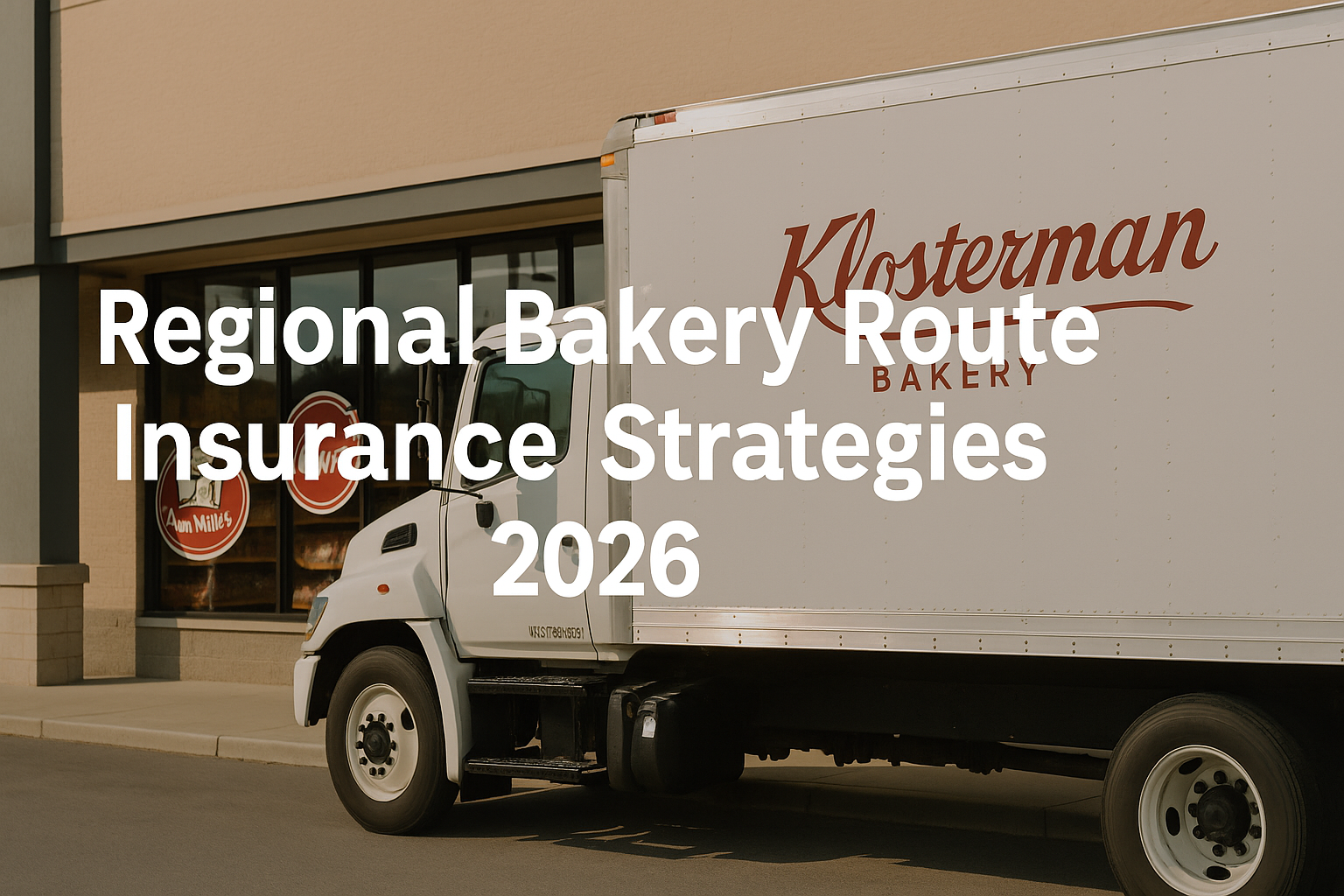
Regional Bakery Route Insurance Strategies for 2026

The bakery route business remains a beloved tradition thriving in 2026, led by trusted regional independents such as Aunt Millie’s, Lewis, and Klosterman. These companies consistently deliver fresh baked goods to grocery stores, restaurants, and retail outlets, navigating extensive territories with dedicated routes and delivery trucks. While these routes fuel local economies and keep customers satisfied, they also introduce unique risks that require specialized insurance strategies tailored for bakery route businesses.

Running a regional bakery route means having the right insurance plan is more than smart—it’s critical for managing risk, safeguarding assets, and ensuring your business stays on track. Routeway360 provides customized insurance solutions designed precisely for independent bakery route businesses operating in today’s evolving market.
Get a tailored quote and protect your bakery route effectively without stretching your budget.

Delivery truck and workers actively handling fresh bakery packages outside a regional grocery store during golden hour

Understanding the Bakery Route Industry Landscape in 2026

Unlike national bakery chains, regional independents offer a distinct flavor—different operational scopes, closer customer connections, and unique risk factors. Bakeries like Aunt Millie’s, Lewis, and Klosterman have built loyal followings through personalized service, regional product variations, and adaptable delivery routes. These strengths bring subtle insurance considerations, including:

  • Transportation Risk: Delivery vehicles traverse busy routes daily, transporting perishable goods that require careful, timely handling.
  • Product Liability: Food safety or quality issues can lead to liability claims, making robust coverage essential.
  • Route Disruptions: Inclement weather, vehicle breakdowns, or staffing shortages may disrupt delivery schedules.
  • Employee Safety: Drivers and route personnel face hazards ranging from road accidents to warehouse slips.

Balancing these factors demands a tailored insurance approach that shields your bakery routes from operational setbacks and costly financial risks.

Further reading: Discover more about food and beverage insurance specially designed for businesses like yours.

Key Insurance Strategies for Regional Bakery Routes

1. Comprehensive Commercial Auto Coverage

Your fleet of delivery trucks and vans is the heartbeat of your bakery route operation, so commercial auto insurance is fundamental. Recommended strategies for 2026 include:

  • Fleet-specific policies covering multiple vehicles and adapting to changing routes.
  • Liability coverage to protect against bodily injury or property damage from accidents.
  • Physical damage coverage encompassing collision and comprehensive options for repairs or replacements.
  • Contingent cargo coverage to protect your perishable goods against loss or spoilage caused by accidents or delays.

Partnering with an insurer familiar with bakery routes ensures your coverage fits your operations—covering multi-stop deliveries and unique parking situations at retail locations.

2. Product and General Liability Insurance

Food products inherently carry risks like contamination or spoilage, potentially leading to customer claims or costly recalls. General liability insurance complements product liability by guarding against claims involving property damage or bodily injury linked to daily operations.

  • Product liability policies specifically protect your bakery from claims related to foodborne illnesses or allergic reactions tied to your products.
  • General liability handles incidents such as slips and falls at distribution centers or delivery stops.

Having a robust liability insurance package helps protect your bakery’s reputation and minimizes legal challenges connected to production and delivery.

3. Business Interruption and Contingent Business Interruption Coverage

Unexpected events—ranging from severe weather and supply chain delays to vehicle troubles—can halt your bakery route operations, threatening your income. Business interruption insurance covers these gaps.

  • Contingent business interruption coverage kicks in when supplier problems or retailer closures impact your ability to operate.
  • This insurance helps cover payroll, rent, and fixed expenses during times when deliveries are paused.

Securing this coverage proactively is key to managing route disruptions without financial stress.

4. Workers’ Compensation and Employee Safety Programs

Your drivers and warehouse staff are essential and face daily physical risks. Intelligent insurance plans include:

  • Workers’ compensation insurance covering medical expenses and lost wages from workplace injuries.
  • Safety training and risk management consulting tailored for the specific challenges of bakery route work.

These measures reduce injury-related costs, improve staff morale, and increase efficiency across your routes.

5. Equipment and Property Insurance

Bakery route businesses often operate warehouses, cold storage, and refrigeration equipment on vehicles. Protecting these physical assets is essential.

  • Equipment breakdown coverage guards against machinery failures.
  • Property insurance covers warehouses against fire, theft, and natural disasters.

Modern baking relies on technology and cold chain stability—insuring these assets ensures your operation runs smoothly.

Why Choose Routeway360 for Regional Bakery Route Insurance in 2026

Insurance tailored for regional independent bakery routes is not one-size-fits-all. Routeway360 shines by combining industry expertise with flexible policies designed for businesses like Aunt Millie’s, Lewis, and Klosterman. Advantages include:

  • Customized coverage: Policies built specifically to address bakery route challenges.
  • Competitive pricing: Access to cost-effective solutions through our extensive network.
  • Dedicated support: Specialists who understand food distribution and regional route challenges.
  • Business service integration: Access incorporation services and business tax services to streamline your operations.

Working with Routeway360 gives you a strategic insurance advantage—letting you focus on expanding your bakery route business.

Emerging Trends Influencing Bakery Route Insurance in 2026

Here are some current trends shaping bakery route insurance now and moving forward:

  • Emphasis on sustainability: Eco-friendly delivery practices are influencing vehicle insurance underwriting.
  • Tech integration: Real-time GPS tracking and route optimization reduce risk and can lower premiums.
  • Supply chain volatility: Growing need for contingent and supply chain interruption coverage.
  • Regulatory changes: Updated food safety and labor laws affect liability considerations.

Staying current with these trends keeps your insurance coverage sharp, adaptable, and prepared for whatever lies ahead.

FAQs About Regional Bakery Route Insurance

What type of vehicle insurance is recommended for bakery route trucks?

Comprehensive commercial auto insurance—including liability, physical damage, and contingent cargo coverage—is vital for bakery trucks servicing multi-stop delivery routes.

How can product liability coverage protect my bakery route business?

Product liability insurance protects your business against claims arising from foodborne illnesses, contamination, or allergic reactions caused by your baked goods.

Why is business interruption insurance important for independent bakery routes?

Business interruption insurance provides financial support during unexpected events disrupting deliveries, helping maintain steady cash flow and operational stability.

Can Routeway360 assist with related business services besides insurance?

Absolutely—Routeway360 offers additional services including business banking, incorporation assistance, and business tax services to comprehensively support your bakery route operations.

Conclusion: Protect Your Regional Bakery Route with Proven Insurance Strategies

Success in the bakery route business depends on reliable delivery, top-quality products, and strong customer trust. In 2026, regional independents face new challenges and opportunities demanding insurance strategies tailored to their unique operations. By focusing on comprehensive coverage—from commercial auto to product liability and business interruption—and partnering with experts like Routeway360, bakery route businesses such as Aunt Millie’s, Lewis, and Klosterman can confidently minimize risk while delighting their communities.

Don’t let preventable risks hold your bakery routes back.
Start your coverage today and enjoy peace of mind with insurance solutions crafted for your unique needs.

Snap-On Tool Dealer Product Liability Risks and $1M Coverage in 2026

Uncategorized

Snap-On Tool Dealer Product Liability Risks in 2026: Shield Your Business with $1M Coverage

As a Snap-On tool dealer, your reputation rests not only on offering premium tools but also on maintaining top-tier safety and reliability standards. In 2026, product liability risks continue to evolve alongside manufacturing innovations, emerging technologies, and rising customer expectations. Understanding these risks—and securing the right insurance, like a $1 million policy that includes defense costs—can provide a vital safety net against costly lawsuits and potential damage to your brand.

Get a custom quote for Snap-On tool dealer insurance designed specifically for your business.

CargoLink Freight truck at warehouse dock with workers inspecting Snap-On tool shipment boxes

What Are the Main Product Liability Risks for Snap-On Tool Dealers?

Product liability risks arise whenever a tool you sell causes injury, property damage, or loss to a customer or third party. For Snap-On dealers in 2026, these risks typically stem from several sources:

  • Defective Products: Despite strict quality controls, issues like cracked handles or mechanical failures during manufacturing or shipping can occur.
  • Failure to Warn: Tools that require specific safety measures must have clear warnings. Missing or vague instructions can lead to serious problems.
  • Improper Maintenance or Installation Guidance: Providing inaccurate or incomplete care or installation advice can expose dealers to liability.
  • Counterfeit or Unauthorized Tools: Selling non-genuine Snap-On tools—intentionally or accidentally—can lead to significant legal troubles.
  • Product Misuse: Injuries may happen when customers use tools improperly or beyond intended purposes. Although dealers often bear limited liability here, lawsuits remain a possibility.
  • Software-Enabled Tools: As Snap-On integrates more software into their tools, risks from software glitches and cybersecurity issues add complexity to liability concerns.

Each of these risks can cause physical injuries, trigger expensive claims and lawsuits, and harm the hard-earned trust in your brand.

Snap-On tools laid out on a workbench representing potential liability risks

Why $1 Million Product Liability Coverage Is a Must for Snap-On Dealers

For Snap-On tool dealers, holding product liability insurance with a minimum $1 million limit is essential in 2026. Here’s why:

  • High Litigation Costs: A single product injury lawsuit can lead to legal fees and settlements reaching hundreds of thousands or even millions, which can overwhelm small to mid-sized dealerships.
  • Defense Costs Included: Policies like those offered in tool dealer insurance options typically cover legal defense expenses within the $1 million limit, preventing unexpected out-of-pocket costs.
  • Boosts Customer and Vendor Confidence: Robust coverage signals to Snap-On, customers, and suppliers that your business prioritizes strong risk management.
  • Protects Against Emerging Risks: New challenges—such as software malfunctions in smart tools—require forward-thinking insurance solutions.

Bottom line: Having $1 million in coverage is more than a legal necessity—it’s a strategic move for enduring success in the competitive tool market.

Tool dealer signing contract for $1 million product liability coverage

Common Lawsuits Snap-On Tool Dealers Might Face in 2026

Understanding real-world scenarios helps you stay vigilant:

  1. Injury from a Defective Ratchet: A mechanic suffers a wrist fracture when a ratchet handle breaks mid-use, prompting a lawsuit against the dealer.
  2. Failure to Warn About Torque Limits: Property damage occurs after a user exceeds torque limits because the dealer omitted clear warning labels.
  3. Liability for Unauthorized Sales: An employee inadvertently sells counterfeit Snap-On tools sourced from an unapproved supplier, resulting in customer injuries.
  4. Software Glitch Malfunction: A smartphone-controlled torque wrench malfunctions due to a software bug, causing injury and claims that the dealer failed to disclose software risks.

These examples highlight why strong product liability insurance paired with effective risk management and diligent employee training is indispensable.

Illustration showing lawsuits and legal risks for Snap-On tool dealers

How Routeway360 Helps Snap-On Dealers Stay Protected

Routeway360 specializes in tool dealer insurance tailored to meet the unique challenges faced by Snap-On dealers. Here’s what you can expect:

  • Customizable $1M Coverage: Protection for bodily injury, property damage, and defense costs arising from product-related incidents.
  • Defense Expense Coverage: Included within the coverage limit so you avoid surprise legal fees draining your resources.
  • Legal and Risk Management Support: Expert guidance on mitigating liability through proper labeling, communication, and inventory controls.
  • Fast Claims Handling: Efficient claims processing minimizes disruption to your business.
  • Insurance Bundles: Combine product liability with general liability, property, and business interruption insurance customized for tool dealers.

Simply put, Routeway360 equips Snap-On dealers with the comprehensive coverage they need to confidently face the liability challenges of 2026.

Routeway360 insurance support team assisting Snap-On tool dealer

Smart Tips to Cut Snap-On Tool Dealer Liability Risks in 2026

Insurance goes a long way, but proactive precautions matter just as much:

  • Verify Authenticity: Source Snap-On products exclusively from authorized suppliers and train your team to recognize counterfeit items.
  • Clear Safety Instructions: Ensure every tool includes clear, consistent Snap-On usage and safety guidelines.
  • Train Your Employees Well: Equip your sales team with thorough knowledge of product features, proper care, and potential liability issues.
  • Keep Detailed Records: Maintain thorough sales, warranty, and customer interaction logs to strengthen your defense if a claim arises.
  • Promote Proper Usage: Educate customers on correct tool operation and limitations, especially for software-enabled products.
  • Review and Update Insurance Annually: As risks evolve with your business, regular reviews ensure your coverage remains appropriate and effective.

Combine these best practices with trusted tool dealer insurance for maximum protection.

Frequently Asked Questions about Snap-On Tool Dealer Product Liability

What does product liability insurance cover for Snap-On tool dealers?

It protects against legal fees, settlements, or judgments related to injuries or damages caused by your tools—including defects, failure to warn, and sometimes software issues.

Why include defense costs in the $1 million coverage limit?

Legal defense costs can be substantial. Including them in your policy limit means your insurer handles attorney fees, safeguarding your financial bottom line.

Are software-related risks covered in standard product liability policies?

Coverage varies. With the rise of software-integrated tools, dealers should verify that their policies explicitly cover software and cybersecurity liabilities.

Can I insure against counterfeit product risks?

Insurance may cover claims arising from counterfeit sales, but your best protection is sourcing strictly from authorized suppliers and maintaining tight inventory controls.

Conclusion: Lock Down Your Snap-On Tool Dealership’s Protection in 2026

Product liability risks are becoming more complex for Snap-On dealers heading into 2026. From traditional concerns like defective products and warning omissions to emerging threats such as software vulnerabilities, exposure is real and significant. Investing in a $1 million product liability policy—including defense costs—like those available through Routeway360 tool dealer coverage isn’t just wise; it’s essential for your business’s stability and peace of mind.

Pair this robust coverage with smart risk management practices and you’ll keep your Snap-On dealership thriving—confident you’re protected against lawsuits, malfunctions, or unexpected challenges.

Start your coverage today and secure the protection your Snap-On tool dealership deserves in 2026.

Flowers Foods Workers’ Comp Rules for 2026

Uncategorized

Flowers Foods Workers’ Comp Requirements 2026: What Independent Contractors Need to Know

Starting in 2026, independent contractors partnering with Flowers Foods will encounter new workers’ compensation insurance requirements designed to protect workers and reduce liabilities. If you’re a florist, delivery driver, or service provider associated with Flowers Foods, understanding these updates is crucial. This article breaks down the key changes, outlines what contractors must do, and highlights how Routeway360 can help you secure affordable, compliant coverage.

Get a tailored quote to ensure your workers’ comp insurance meets all of Flowers Foods’ 2026 requirements.

Delivery workers with Flowers Foods and TransRoute Logistics branded truck during golden hour

Why Workers’ Compensation Is Crucial for Flowers Foods Independent Contractors

Workers’ compensation insurance acts as a safety net—covering wage replacement and medical expenses if someone is injured on the job. For companies like Flowers Foods relying on independent contractors for deliveries and route servicing, having proper workers’ comp coverage isn’t optional; it’s essential to avoid costly lawsuits and keep everyone protected.

Starting in 2026, both regulators and Flowers Foods are emphasizing compliance, particularly for contractors classified as independent but functioning as employees. You’ll need valid workers’ comp insurance aligned with your state’s laws. Failing to comply could result in fines, contract loss, or legal troubles.

For a deeper dive, visit our page on mobile service business insurance, covering workers’ comp and other critical insurance options.

Workers handling packages on doorstep with branded delivery truck

2026 Flowers Foods Workers’ Comp Requirements Overview

Here’s a quick snapshot of the upcoming changes:

  • Mandatory Workers’ Comp for Contractors: If you provide route-based services or deliveries for Flowers Foods, you must have workers’ compensation insurance meeting your state’s minimum standards.
  • Proof of Insurance Required: Contractors must present valid certificates of insurance before beginning work. This helps Flowers Foods confirm compliance and reduce liability.
  • Clear Responsibility in Contracts: Agreements now clarify that contractors need to maintain workers’ comp coverage as if they were employees, avoiding classification disputes.
  • Enhanced Safety Training Compliance: Flowers Foods may require proof of current safety and compliance training tied to coverage eligibility.
  • Ongoing Compliance Audits: Expect periodic checks by both Flowers Foods and insurers to ensure coverage is current and rules are followed.

These measures are designed to shield contractors, businesses, and Flowers Foods from the financial risks associated with workplace injuries.

Interested in related coverage? Check out our insights on waste management route insurance, which shares features with workers’ comp for route-based operations.

Delivery workers with Flowers Foods branded truck handling packages

What Flowers Foods Workers’ Comp Changes Mean for Independent Contractors

If you’re an independent contractor working with Flowers Foods, here’s your essential checklist for 2026:

  1. Review Your Current Workers’ Comp Policy: Confirm your insurance meets state laws and Flowers Foods’ enhanced requirements. Not all plans cover route-related injuries adequately.
  2. Understand Contractual Insurance Clauses: Examine your contractor agreements carefully to avoid coverage gaps.
  3. Prepare for Potential Cost Increases: Updated regulations may raise premiums. Plan your budget accordingly.
  4. Partner with Insurance Specialists: Work with experts familiar with route-based workers’ comp insurance, like Routeway360, to access the best coverage and pricing.
  5. Keep Compliance Documents Ready: Maintain certificates and proof of safety training to smoothly pass audits and demonstrate compliance.

Ignoring these steps could jeopardize your contract and your business’s financial stability—not a risk worth taking.

Looking for other relevant coverage? Our tool dealer insurance is designed for independent contractors like you.

Delivery worker preparing for route with safety gear near branded truck

How Routeway360 Helps Flowers Foods Contractors With Workers’ Comp Insurance

At Routeway360, we understand the unique challenges contractors face when working with companies like Flowers Foods. Here’s how we support you:

  • Compliance-Focused Policies: We design workers’ comp insurance tailored to meet 2026 updates and state regulations for route-based contractors.
  • Competitive Premiums: Prices based on a careful risk assessment specific to delivery and route work.
  • Simple Documentation Management: We assist with gathering and managing your insurance certificates, making audits and renewals hassle-free.
  • Risk and Safety Support: Guidance and safety training resources to reduce injury risks and keep claims low.
  • Dedicated Expertise: Insurance professionals familiar with Flowers Foods’ requirements to help you stay compliant without stress.

With Routeway360, compliance becomes one less thing to worry about, letting you focus on expanding your route business confidently.

Ready to strengthen your business? Explore our expert incorporation services for added protection and credibility.

Delivery workers discussing route plans next to branded truck

FAQs: Flowers Foods Workers’ Compensation in 2026

Q1: Are all independent contractors required to carry workers’ comp insurance with Flowers Foods?

Yes. Starting in 2026, every contractor performing route services or deliveries for Flowers Foods must maintain workers’ comp insurance that meets legal and company requirements.

Q2: What happens if an independent contractor lacks proper workers’ comp insurance?

Operating without valid coverage could result in contract termination, liability for injury claims, and possible fines from regulators or Flowers Foods.

Q3: Will workers’ comp premiums rise due to the new rules?

Potentially. Tougher standards and larger coverage needs might increase premiums. However, working with experts like Routeway360 can help control costs.

Q4: How frequently does Flowers Foods check workers’ comp compliance?

Flowers Foods typically conducts regular audits and requests updated insurance certificates continuously. Keeping your documents current prevents work stoppages.

Q5: Is safety training required to maintain workers’ comp coverage?

Yes. Proof of current safety training is increasingly essential to qualify for coverage and retain your contract, helping reduce workplace accidents.

Two delivery workers wearing reflective jackets handling packages at doorstep

Preparing Your Business for 2026: Essential Next Steps

Independent contractors working with Flowers Foods should act now to meet the 2026 workers’ compensation standards. Here’s how:

  • Confirm your existing workers’ comp insurance complies with 2026 mandates and state laws.
  • Contact Routeway360 for custom workers’ comp options designed for route-based contractors.
  • Collect all necessary compliance documents, including insurance certificates and safety training records.
  • Adjust budgets and agreements to accommodate new coverage expenses and rules.

Taking these steps early secures your business’s future, preserves your Flowers Foods partnership, and safeguards your team.

Start your coverage today with Routeway360 and confidently meet the 2026 Flowers Foods workers’ compensation requirements.

DSD Operator Retirement Planning Tips for 2026

Uncategorized

DSD Operator Retirement Planning Tips for 2026

As an independent Direct Store Delivery (DSD) operator, planning your retirement—and selling your route—is a significant milestone that requires smart preparation, especially as 2026 draws near. The market landscape and insurance requirements have evolved, so a seamless, well-planned exit means maximizing your route’s value while securing the right insurance protections throughout the transition.

If you’re preparing to retire and sell your route in 2026, consider this your essential guide. We’ll outline effective strategies to increase your route’s worth and highlight essential insurance actions you shouldn’t overlook. Ready to safeguard your business during this important phase?
Get a customized insurance quote tailored to your needs.

Modern white CargoLink Freight box truck parked at warehouse dock with workers scanning inventory

Why Retirement Planning Is Vital for Independent DSD Operators

Retirement isn’t merely a milestone—it’s a strategic pivot for anyone in the DSD industry. This business thrives on strong customer relationships, efficient delivery routes, and dependable service. When the time comes to step back, how you pass the baton matters because it directly impacts:

  • Route sale value — a carefully planned transition can boost your selling price.
  • Service continuity — maintaining customer satisfaction by avoiding service disruptions protects your reputation.
  • Legal and financial safeguards — protecting you from liability during and after the sale.

With 2026 bringing changes in franchise options, logistics technologies, and regulations, delaying your planning isn’t wise. Starting early means a smoother, more profitable exit.

Calendar and checklist for planning retirement strategies 2026

Step 1: Evaluate Your Route’s Market Value and Identify Potential Buyers

Before considering insurance, get a clear picture of your route’s worth. Critical factors influencing value include:

  • Historical revenue and profitability
  • Customer retention rates and existing contracts
  • Geographic coverage area and driver capacity
  • Ownership of assets such as trucks and equipment
  • Competitive landscape and market demand

Understanding these elements helps you target the right buyer—be it an independent operator, a larger wholesaler, or a logistics company eager to expand. Routeway360 simplifies connecting sellers with qualified buyers through our
buy or sell a route services. Think of us as your trusted ally in negotiations.

Insurance forms and delivery truck insurance coverage papers on desk

Step 2: Update Your Insurance Coverage Before the Sale

Insurance is often neglected during ownership changes—don’t make that mistake. For DSD operators, it’s crucial to ensure complete coverage by reviewing:

  • Commercial Auto Insurance: Confirm your delivery vehicles remain insured until ownership transfers.
  • General Liability Insurance: Protects against claims related to product delivery, customer injuries, or property damage.
  • Workers’ Compensation: Vital if you employ staff or contract drivers; clarify post-sale responsibilities.
  • Route-specific Coverage: Consider specialized
    mobile service business insurance designed for DSD operations.

Partnering with insurance experts during planning helps close gaps that could pose risks after selling your route.

Close-up of hands signing a sale agreement contract with insurance section

Step 3: Draft the Sale Agreement with Insurance Details in Mind

Don’t leave insurance as an afterthought—define it explicitly in your sale agreement to protect both parties. Key points to include:

  1. Insurance transfer effective date: Clearly state when the buyer assumes insurance responsibilities.
  2. Indemnity terms: Specify who is liable for incidents before, during, and after the sale.
  3. Proof of insurance: Require the buyer to present valid coverage documents before closing.
  4. Retention of certain policies after sale: Sometimes keeping specific coverage (like general liability) temporarily shields you from claims related to your period of ownership.

Routeway360 offers comprehensive policy reviews and helps embed robust insurance language in contracts for your peace of mind.

Tax and legal consultation meeting with documents and calculator

Step 4: Navigate Tax and Legal Considerations for 2026

Tax regulations and compliance are ever-changing. As 2026 approaches, keep these factors in mind:

  • Consult tax specialists experienced with business sales to understand capital gains, deductions, and tax strategies.
  • Explore incorporation services if restructuring your business can optimize taxes or streamline the sale.
    Learn more about
    incorporation services.
  • Comply with BOI (Beneficial Ownership Information) filing when applicable to meet federal transparency standards.
    Read up on
    BOI filing.

Addressing these matters early eases due diligence and closing processes.

Mentorship and support for transition between DSD route owners

Step 5: Communicate and Support the Transition to the New Owner

Ensuring a smooth handoff maintains your route’s value and customer loyalty. Here’s how you can assist:

  • Provide training or overlap time with the buyer—think mentorship rather than a simple “handoff.”
  • Help buyers secure insurance that fits their unique needs.
  • Inform customers professionally about the ownership change to uphold their trust.

Supporting the new owner this way protects your hard-earned reputation and helps your route thrive beyond your retirement.

Common Questions About Retirement and Selling a DSD Route

What is the typical timeline for selling a DSD route?

Typically, operators spend 6 to 12 months preparing and completing the sale, covering valuation, finding buyers, negotiating terms, and managing insurance transfers.

How does insurance influence the sale price of a route?

Up-to-date, comprehensive insurance enhances your route’s value by reducing perceived risks, encouraging buyers to offer competitive prices.

Can I sell my DSD route without proper insurance in place?

While technically possible, it’s not advisable. Lack of proper insurance can delay the sale, deter buyers, and expose you to post-sale liabilities.

Should I maintain any insurance policies after selling my route?

Maintaining select coverage post-sale, especially for claims linked to your period of ownership, can be a smart legal and financial safeguard.

What role does Routeway360 play in retirement planning for DSD operators?

Routeway360 serves as your trusted partner for expert insurance planning, route brokerage, and incorporation support—all focused on maximizing your route’s value and minimizing risk as you prepare for retirement.
Explore our
mobile service business insurance and
route buying and selling services today.

Conclusion: Begin Your Retirement Planning Early with the Right Insurance Partner

Retiring as an independent DSD operator in 2026 offers both opportunity and complexity. The key to success lies in early, strategic preparation—focusing on enhancing your route’s value while securing seamless insurance coverage at every stage of the sale.

Partner with Routeway360 to access expert advice, personalized insurance solutions, and brokerage services built specifically for your business. Protect your legacy and maximize your return by taking the appropriate insurance steps—starting now.

Get a tailored quote today and confidently chart your path to retirement.

Tool Truck GPS Anti-Theft Discounts in 2026

Uncategorized

Tool Truck GPS Anti-Theft Discounts 2026: Save Up to 15% on Your Insurance

If you run tool trucks, you know theft isn’t just annoying—it can seriously disrupt your business and drain your resources. Thankfully, in 2026, more insurers, including Routeway360’s insurance partners, are offering valuable discounts of up to 15% when you install GPS tracking and anti-theft systems on your vehicles. This means enhanced security and lower insurance premiums—a winning combination.

Manage a tool truck fleet? Wondering how GPS tracking can protect your equipment and reduce insurance costs? Keep reading, then get a customized quote to find out how much you could save with these anti-theft incentives.

Tool truck workers installing GPS tracking device

Why Tool Truck Theft Is an Increasing Concern

Tool trucks carry valuable tools and equipment vital for trades in plumbing, electrical, HVAC, construction, and more. Their high value and mobility make them prime targets for thieves. Beyond the cost of stolen gear, theft delays projects, drops productivity, and inflates replacement expenses.

Commercial vehicle theft rates are climbing, with tool trucks often targeted. Since these trucks serve as lifelines for many businesses, implementing strong security measures is not just wise—it’s critical.

The Impact of Theft on Your Insurance Premiums

High theft risk drives insurance premiums upward. Insurers factor this risk in heavily, so without reliable anti-theft systems, you can expect steeper costs. GPS tracking helps improve recovery chances and opens doors to valuable premium reductions.

How GPS Tracking Lowers Theft Risk and Insurance Costs

GPS technology transforms vehicle security through real-time tracking, instant theft alerts, and rapid recovery options. Key features include:

  • Real-Time Location Tracking: Monitor your tool trucks anytime, anywhere, ensuring constant visibility.
  • Theft Alerts: Receive immediate notifications if unauthorized movement or tampering occurs, enabling quick response.
  • Remote Immobilization: Some systems can remotely disable the vehicle, stopping thieves in their tracks.
  • Route and Usage Monitoring: Verify that your trucks are on their approved routes, reducing liability and misuse.

Insurers favor these capabilities as they mitigate risk, often rewarding businesses with discounts. According to Routeway360’s tool dealer insurance insights, installing a certified GPS system can reduce premiums by 10% to 15%, depending on your provider and coverage.

Tips to Maximize 2026 Anti-Theft Discount Benefits

To take full advantage of GPS-related insurance savings, consider the following:

  1. Choose a Trusted GPS Provider: Ensure your system meets insurer criteria for security features.
  2. Opt for Professional Installation: Proper setup ensures the system works flawlessly with your vehicle’s security.
  3. Maintain 24/7 Monitoring: Many discounts require continuous monitoring with instant alerts.
  4. Document Everything: Keep records of installation, monitoring services, and any incident reports as proof for your insurer.
  5. Combine Security Measures: Pair GPS with alarms, immobilizers, or wheel locks to unlock even better discounts.

Be sure to update your insurance policy regularly to reflect any new security upgrades, as many insurers increase discounts when theft prevention is emphasized in 2026.

Case Study: How John Saved 12% with GPS Tracking

John operates a tool truck serving residential HVAC clients. After facing high premiums due to prior theft claims in a risky area, he installed a GPS system connected to 24/7 monitoring. Presenting this proof to his insurer led to a 12% discount on his next policy.

Beyond saving money, John gained peace of mind, allowing him to focus on expanding his business without constant worry. His story highlights how GPS security is not just protection—it’s a smart financial move.

Additional Benefits of GPS Tracking for Tool Trucks

Besides insurance savings, GPS offers features that streamline your operations:

  • Fleet Management: Optimize routes, track deliveries, and evaluate driver performance with ease.
  • Theft Recovery: Speed up recovery times and minimize losses.
  • Maintenance Alerts: Stay on top of vehicle upkeep to extend truck lifespan.
  • Regulatory Compliance: Maintain records of routes and service calls to meet client and regulatory requirements.

These advantages boost efficiency and enhance customer satisfaction—taking your return on investment beyond just insurance discounts.

Looking for insurance that complements your GPS security setup? Explore tool dealer insurance options designed to protect fleets like yours.

Key Takeaways for Tool Truck Operators in 2026

  • Theft is a real and growing threat that increases insurance costs.
  • Installing GPS tracking can save you up to 15% on insurance premiums.
  • Select systems offering continuous monitoring and compatibility with other anti-theft tech.
  • Keep thorough records of your security installations to claim maximum discounts.
  • GPS also enhances fleet management, maintenance scheduling, and theft recovery.

Incorporating GPS anti-theft technology is a smart strategy for tool truck owners aiming to protect assets and reduce insurance expenses in 2026. It’s a savvy decision that strengthens your bottom line and peace of mind.

Get a personalized insurance quote today to see how Routeway360’s expert partners can help you maximize GPS discounts and find the best coverage for your tool truck fleet.

FAQs About Tool Truck GPS Anti-Theft Discounts

Q1: How much can I save on insurance by installing GPS on my tool truck?

Many insurers, including Routeway360 partners, offer discounts typically ranging from 10% to 15% for GPS systems with verified monitoring and anti-theft features.

Q2: Does any GPS system qualify for discounts?

No, insurers generally require GPS devices with real-time tracking, tampering alerts, and often 24/7 monitoring to qualify for discounts.

Q3: Can I combine GPS tracking with other security measures for bigger discounts?

Absolutely. Combining GPS with alarms, immobilizers, or wheel locks often increases your anti-theft discount and lowers premiums further.

Q4: How can I prove to my insurer that my tool truck has GPS installed?

Keep installation receipts, monitoring service contracts, and any documentation showing your GPS system is active and operational.

Q5: Are GPS discounts available for fleets, or only individual vehicles?

Most insurers offer GPS discounts for fleets as well, though eligibility can depend on fleet size, system integration, and insurer policies.

Utz Brands On The Border Chips Combo Insurance 2026

Uncategorized

Utz Brands On The Border Chips Combo Insurance 2026: Your Go-To Coverage Guide

If you’re managing a route that serves both Utz Brands and On The Border tortilla chips, get ready—2026 is gearing up to be an important year for your insurance needs. Proper insurance coverage isn’t just a formality; it’s vital for staying compliant, guarding your assets, and keeping your cash flow steady. This guide explores the key insurance requirements for your combo route, highlights regulatory updates, and offers cost-effective solutions tailored just for your business.

Get a customized insurance quote

Modern white box truck branded with TransRoute Logistics being loaded with snack products including tortilla chip cartons

Why Insurance for Utz & On The Border Combo Routes Is More Crucial Than Ever

Loading snack products into delivery truck at warehouse dock

Utz and On The Border are two snack giants. Running a route that carries both means managing multiple product lines—especially those irresistible tortilla chips alongside Utz’s popular snack items. More products bring more complexity, increasing inventory challenges and liability exposure. Additionally, the 2026 regulatory landscape is evolving, so having insurance tailored perfectly to your combo route is essential.

Compliance goes beyond paperwork—it’s the foundation of your business. Meeting state and federal regulations, plus route-specific insurance requirements, helps you avoid costly fines, service interruptions, and uncovered claims when accidents occur.

At Routeway360, we specialize in insurance designed specifically for food and beverage route businesses. Wondering how to protect your combo route from risk while meeting all regulations? Explore our food and beverage insurance options crafted just for your operation.

Core Insurance Coverage Types Every Utz + On The Border Chip Route Needs

Workers loading snack products into delivery van at warehouse

No two routes are identical, so your coverage needs depend on size, product volume, and location. However, these coverages are critical for any serious distributor:

  • General Liability Insurance: Protects you from third-party injury or property damage claims that might arise during deliveries, route stops, or product displays.
  • Commercial Auto Insurance: Vital if you use trucks or vans, covering accidents, vehicle damage, and liability tied to your delivery fleet.
  • Product Liability: A safety net against lawsuits due to product defects or illnesses linked to what you distribute. Food safety matters deeply here.
  • Commercial Property Insurance: Guards your tangible assets—warehouses, storage facilities, and inventory—against fire, theft, or unexpected natural disasters.
  • Workers’ Compensation: Required in most states if you employ drivers or warehouse staff. It covers injuries and medical expenses from workplace accidents.

Many pros on combo routes prefer bundled insurance packages that combine these coverages into one policy, cutting costs and closing coverage gaps. Want to see how you can tailor insurance to fit your needs? Check out our mobile service business insurance options, which align closely with route-specific coverage.

2026 Compliance Checklist: Regulations Changing the Chip Combo Insurance Game

Warehouse dock with workers and delivery trucks preparing snack shipments

Insurance compliance evolves constantly—here’s what’s new or updated in 2026 for distribution and delivery routes:

  • Higher Minimum Insurance Requirements: Many states are increasing minimum auto and general liability coverage limits to keep pace with inflation and growing risks.
  • Stricter Product Safety Expectations: Enhanced focus on food handling, traceability, and contamination risks means your insurance must cover potential recalls or safety incidents.
  • New OSHA Guidelines for Employee Safety: Updated rules affect workers’ comp and liability policies, especially for warehouse and delivery staff.
  • Route Transfer Documentation: Whether buying or selling, ensure your Board of Information (BOI) filings and related paperwork are airtight to maintain coverage during transitions.

Staying up to date on these rules keeps your combo route compliant and operations running smoothly. Considering expansion or a route transfer? Expert advice on buying or selling route insurance helps protect your investment.

What Influences Your Combo Route Insurance Premium in 2026?

Loading pallets of snack products onto a route delivery truck in bright morning

Understanding cost drivers helps you balance protection and budget effectively:

  1. Route Size & Sales Volume: Larger sales and inventory typically mean higher premiums.
  2. Delivery Vehicles & Mileage: More vehicles or increased miles generally raise commercial auto insurance costs.
  3. Claims History: A clean claims record can earn you better rates.
  4. Product Mix: Handling perishable or higher-risk products may increase product liability premiums.
  5. Policy Limits & Deductibles: Adjust these settings to influence your premium costs.

Routeway360’s experts excel at customizing insurance to keep your combo route coverage affordable yet comprehensive. Learn more about how to optimize your insurance plans for route businesses to stay within budget.

Pro Tips for Locking in Utz + On The Border Combo Route Insurance

Workers wearing neon reflective jackets loading chips into truck

Shopping for 2026 coverage? Keep these strategies in mind:

  • Choose Insurers Familiar with Route Insurance: They understand the specific risks and regulations unique to food and beverage routes.
  • Bundle Your Policies: Combining general liability, commercial auto, and product liability usually results in better rates and smoother claims handling.
  • Maintain Detailed Records: Inventory lists, vehicle logs, and employee files can speed underwriting and simplify claims.
  • Review Policies Annually: Update coverage as your route changes, vehicles shift, or regulations evolve.
  • Rely on Specialized Brokers: Experts like Routeway360 customize coverage and ensure compliance without overspending.

Following these best practices helps you avoid insurance headaches and keeps your distribution routes running efficiently. Interested in similar coverage for your tools or equipment? Check out our tool dealer insurance coverage.

FAQ: Utz Brands On The Border Chips Combo Insurance

Q1: Is product liability insurance mandatory for combo chip routes?

While it’s not always legally required, product liability insurance is strongly recommended. It offers crucial protection against lawsuits from product defects, contamination, or consumer illnesses, especially important for food products like Utz and On The Border chips.

Q2: Can I insure multiple distribution routes under one policy?

Yes. Many insurers offer multi-route policies bundling coverage across locations and vehicles for convenience and savings. Just be transparent about all your routes to avoid coverage issues.

Q3: How often should I review my combo route insurance policy?

An annual review is wise—or sooner if you expand your routes, change vehicles, or adjust product lines. Keeping your policy current ensures ongoing protection and compliance.

Q4: Does workers’ compensation apply if I use independent contractors?

Generally, workers’ compensation covers employees, not contractors. However, state laws vary. Having clear contracts and appropriate insurance for contractors helps protect you from liability.

Conclusion: Secure & Compliant Insurance for Your Utz + On The Border Combo Route

Securing the right insurance coverage for your Utz Brands and On The Border tortilla chip combo routes in 2026 isn’t just prudent—it’s essential. The ideal mix of comprehensive protection and affordability safeguards your assets, team, and brand reputation while ensuring full compliance. Partnering with specialists like Routeway360 connects you to insurance solutions tailored to the unique demands of food and beverage route distribution.

Ready to future-proof your combo route? Get your personalized quote today and steer your business toward a secure future with confidence.

Simplify Your 2026 Bread Route Insurance with Routeway360

Uncategorized

Bread Route Multi-Brand Independent Coverage 2026: Simplify Your Insurance with Routeway360

Running an independent bread route in 2026 while juggling multiple bread brands? That’s a recipe for growth and stronger customer loyalty. But insuring these diverse brands under one roof can quickly get complicated—endorsements, unique coverage needs, and compliance issues pile up. That’s where Routeway360’s new multi-brand independent coverage steps in, bundling all your bread brands into a single, customized policy designed just for you.

Get a personalized quote to see how you can protect your diverse bread brand routes efficiently and affordably.

Modern white box truck branded with 'TransRoute Logistics' delivering bread at golden hour

Why Multi-Brand Coverage Is Essential for Bread Route Independents in 2026

The bread route business is evolving faster than a baker’s oven timer. Many operators now feature several local and national bread brands. This multi-brand strategy expands your customer reach, increases sales, and diversifies your revenue streams. But it also introduces new insurance challenges.

  • Complex Risk Profiles: Different bread brands often require unique coverage riders or endorsements depending on the type of product, packaging, and delivery method.
  • Regulatory Compliance: Navigating regulations across multiple brands, vendors, and transport situations is crucial to avoid fines or denied claims.
  • Cost Efficiency: Managing separate policies for each brand can get pricey and overwhelm with paperwork.

Multi-brand coverage consolidates all your insurance needs into one streamlined policy, making management easier and often reducing premiums. For independents handling multiple bread brands, this solution is transformative.

Explore how multi-brand policies can accelerate your business growth at our insurance solutions for independent operators.

How Routeway360 Streamlines Complex Endorsements

Multi-brand bread route insurance endorsements can get intricate quickly—different brands, products, delivery methods, and more. Routeway360 excels by delivering customized coverage that keeps pace with your needs through:

  • Expert Underwriting: Our specialists understand the bread route industry deeply, crafting precise endorsements that eliminate coverage gaps.
  • Flexible Policy Structures: Easily add or remove brands as your route lineup changes, all under one robust policy.
  • Centralized Documentation: Store all your endorsements and certificates in one place for hassle-free renewals and audits.

No more managing multiple policies or drowning in paperwork as your bread empire grows. Focus on expanding and delivering; we handle the insurance details.

Curious about how our wholesale & distributor insurance complements your multi-brand coverage? We’ve got you covered there as well.

Key Benefits of Multi-Brand Independent Coverage with Routeway360

Choosing Routeway360 means unlocking powerful advantages:

  1. Streamlined Policy Management: One consolidated policy reduces paperwork and simplifies renewals, claims, and endorsements.
  2. Cost Savings: Bundling brands typically lowers premiums compared to separate policies.
  3. Comprehensive Protection: Tailored endorsements protect against brand-specific risks throughout your entire operation.
  4. Up-to-Date Compliance: Stay aligned with the latest food safety and transportation regulations with ongoing expert support.
  5. Growth-Focused Flexibility: Add new bread brands easily as your business expands.

These benefits work together to safeguard your investment and maintain excellent service—keeping customers coming back to your bread route.

Plus, if your bread route expands into related food or delivery services, check out our mobile service business insurance, which fits perfectly alongside your coverage.

Setting Up Multi-Brand Coverage: What to Expect in 2026

Insurance evolves just like your morning bread rise—always adapting to market needs. In 2026, expect these advancements when establishing multi-brand coverage with Routeway360:

  • Digitized Policy Management: Access your endorsements, certificates, and billing in real time online—no more searching through files.
  • Data-Driven Risk Assessment: Leveraging route analytics and brand performance data to optimize your coverage and pricing.
  • Enhanced Endorsement Flexibility: Modular endorsements let you adjust brand-specific liabilities without rewriting your entire policy.
  • Smoother Claims Processing: Streamlined claims handling across brands, supported by a mobile app for hassle-free assistance.
  • Route Operations Integration: Insurance info syncs with your delivery software—receive compliance alerts and coverage reminders when needed.

These innovations save you time, reduce paperwork, and deliver peace of mind. Managing a multi-brand bread route independently has never been more effortless.

Want to dive deeper into insurance technology? Visit our comprehensive insurance hub for more information.

Frequently Asked Questions About Bread Route Multi-Brand Coverage

Can I insure new bread brands added mid-year under the same policy?

Absolutely. Routeway360’s flexible endorsements let you add or remove brands during your coverage period seamlessly. Just notify your agent, and we’ll update your policy accordingly.

Will multi-brand coverage increase my insurance premiums?

Adding brands might slightly raise your premium, but bundling them usually costs less than insuring each separately.

Are all types of bread products covered under the policy?

Most bread varieties—from fresh loaves to packaged and artisan breads—are covered. Specialty products may require tailored endorsements based on their unique risks. We’ll review your lineup to ensure full protection.

Can multi-brand coverage include delivery vehicles used for transporting bread?

Yes. Your policy can cover delivery trucks or vans transporting your bread, integrating your vehicles into your comprehensive risk management.

How quickly can endorsements be updated if I change brands?

Typically, updates occur within 24 to 48 hours, keeping your coverage current as your bread route evolves.

Conclusion: Future-Proof Your Bread Route with Multi-Brand Coverage Today

Operating multiple bread brands independently opens doors to expanded markets, diverse customers, and increased revenue. But it also demands smart, adaptable insurance solutions that keep pace with your growing complexity.

With Routeway360’s 2026 multi-brand independent coverage, all your bread brand insurance is unified in one efficient, flexible policy backed by industry experts. Experience insurance that simplifies risk management, controls costs, and covers every crumb as your business scales.

Don’t get tangled in insurance confusion. Start your tailored coverage today and confidently secure the future of your multi-brand bread route.

Tool Dealer Equipment Breakdown Add-Ons 2026

Uncategorized

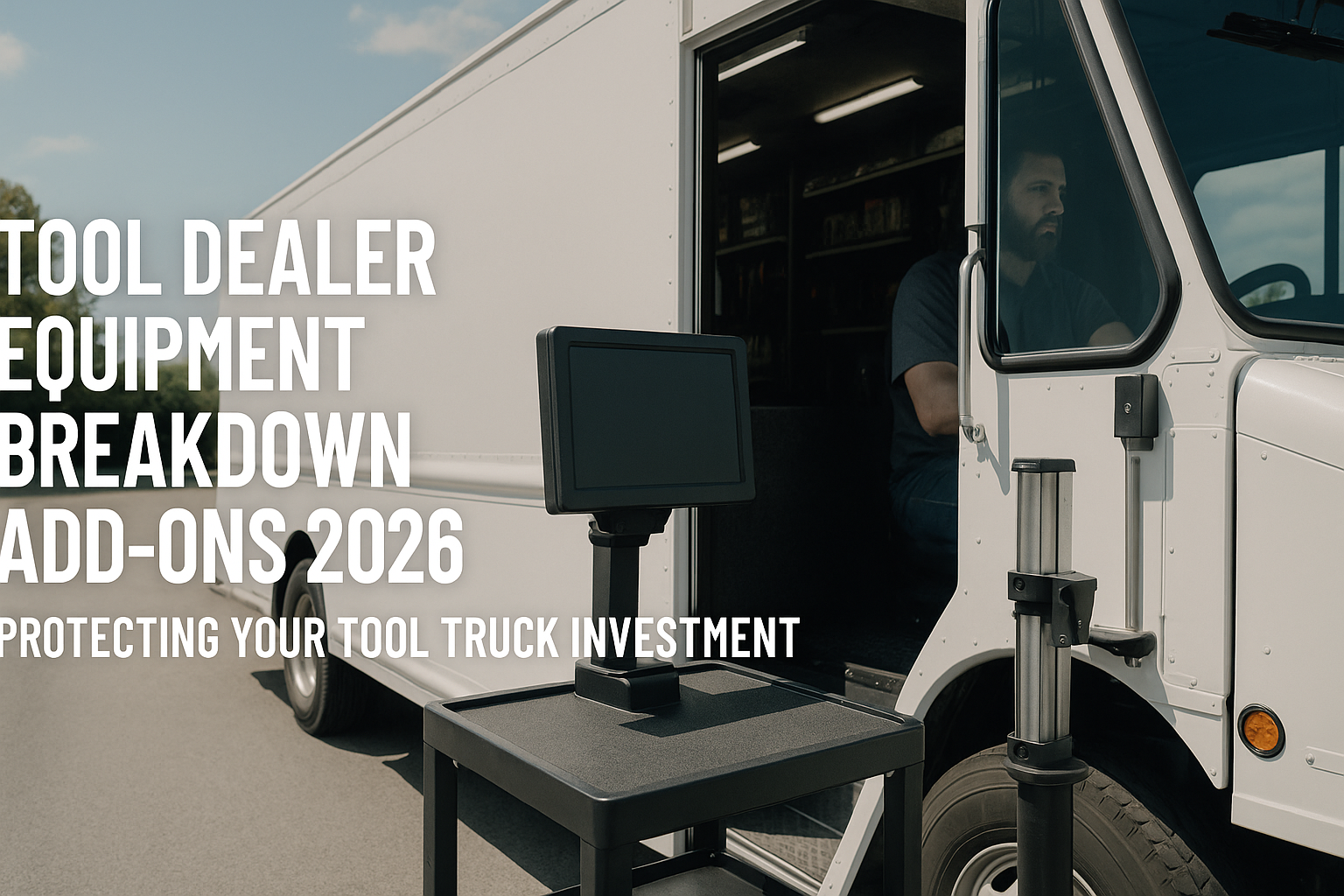
Tool Dealer Equipment Breakdown Add-Ons 2026: Protecting Your Tool Truck Investment

For tool dealers relying on their equipment and vehicles every day, unexpected breakdowns aren’t just frustrating—they can be costly disasters. In 2026, expanding your equipment breakdown coverage to include crucial components like onboard displays and lifts is more than smart—it’s essential. Routeway 360 leads the way with innovative add-ons designed to protect your tool truck investment against the unpredictable challenges on the road.

Get a tailored quote

Modern white TransRoute Logistics box truck with hydraulic lift and workers inspecting onboard display

Why Equipment Breakdown Coverage Matters for Tool Dealers

Your tool truck is more than just a vehicle—it’s a mobile toolbox, inventory center, and sales platform all rolled into one. While traditional auto insurance covers dents and scrapes, it often excludes breakdowns of the vital systems that keep your business running smoothly.

Consider onboard displays—those essential screens managing inventory, tracking routes, and handling sales data—and hydraulic lifts that safely move heavy loads. When these systems fail, it’s more than a mere inconvenience; it’s a halt to your operations that can severely impact revenue and scheduling.

By adding coverage for these elements, you avoid the risk of paying thousands out of pocket when technology or lift failures disrupt your workflow. Industry experts note an increase in integrated onboard technology failures, as highlighted in ToolGuyd reports. Protecting these critical digital tools has never been more important.

Interested in learning more? Explore tool dealer coverage options tailored for your needs.

2026 Add-Ons: Coverage for Onboard Displays and Lifts

The 2026 add-ons focus on two crucial areas:

  • Onboard Displays: Durable digital terminals that monitor your inventory, process transactions, and plan routes. Repairs or replacements can be expensive—and every minute offline reduces your business efficiency.
  • Hydraulic and Mechanical Lifts: Essential equipment that safely loads and unloads heavy tools. Lift failures increase safety risks and cause costly delays affecting your bottom line.

Including these add-ons in your policy ensures coverage extends beyond the truck’s basic frame to the technology and machinery powering your operations. Many plans also cover diagnostic and labor fees, helping you avoid unexpected repair bills.

Additionally, coverage often extends to electronic control systems, sensors, and other vital components that keep your tool truck running optimally.

Discover how to safeguard your venture with mobile service business insurance.

How Routeway 360 Supports Tool Dealer Investments

With years of experience designing insurance for routes and mobile businesses, Routeway 360 understands that tool dealers can’t afford downtime. Equipment failures ripple beyond repair costs, impacting your entire operation.

Our 2026 coverage enhancements reinforce our commitment to smarter risk management. By choosing Routeway 360’s equipment breakdown coverage, you:

  1. Reduce unexpected repair expenses on essential tech and lifting equipment.
  2. Maintain business continuity even if critical components fail.
  3. Receive expert claims support tailored to your industry’s unique requirements.

We don’t just provide coverage—we work with you to fit these add-ons seamlessly into your current policies, creating protection tailored to your risk profile.

Check out custom packages designed specifically for tool dealers at tool dealer equipment insurance.

Real-World Impact: Case Examples

Imagine a tool dealer’s onboard display failing mid-route. Without specialized coverage, diagnostic and repair costs can exceed $5,000—not to mention lost sales due to inventory errors and delivery delays.

Or consider a hydraulic lift breakdown that halts loading for several days. Comprehensive equipment breakdown insurance steps in to cover repairs and minimize downtime.

One satisfied Routeway 360 client reported avoiding $7,500 in unexpected expenses after adding the 2026 onboard display coverage, helping them recover quickly when their primary route truck’s system malfunctioned within the first year.

Benefits Beyond Repairs: Why Add-Ons Make Financial Sense

Coverage for onboard displays and lifts extends beyond fixing parts—it protects your revenue and reputation from the cascading effects of downtime.

Here’s what these add-ons offer:

  • Predictable budgeting: With covered repairs, avoid surprise expenses that disrupt cash flow.
  • Extended equipment lifespan: Timely professional repairs prevent minor issues from becoming major problems.
  • Higher resale value: A well-maintained and fully insured fleet appeals more when you decide to buy or sell a route.

FAQs About Equipment Breakdown Add-Ons for Tool Dealers

Q1: What exactly does equipment breakdown insurance cover?

It protects against sudden mechanical and electrical failures—such as onboard display malfunctions and hydraulic lift breakdowns—including damage caused by motor burnout, short circuits, or mechanical faults. Coverage typically includes repairs, replacements, diagnostics, and labor costs.

Q2: Are standard vehicle or commercial insurance policies sufficient?

Not usually. Standard policies often exclude specialized electronics and mechanical systems installed on tool trucks. Equipment breakdown coverage fills these gaps to safeguard your critical assets.

Q3: Can this coverage reduce downtime if a breakdown occurs?

Definitely. It accelerates repairs through specialized claims support and covers expenses, helping your business recover faster without suffering financial setbacks.

Q4: How do I add this coverage in 2026?

It’s easy—contact providers like Routeway 360 to review your policies. Our specialists will recommend add-ons customized to your fleet and equipment.

Final Thoughts: Secure Your Tool Truck’s Future Today

Breakdowns happen, but their financial impact doesn’t have to derail your business. The 2026 equipment breakdown add-ons for onboard displays and lifts offer a proactive path to solid coverage and uninterrupted operation.

With Routeway 360’s expertise in tool dealer insurance, you get a custom fit that keeps your business moving and your investments protected—the cornerstone of your mobile success.

Don’t wait for trouble to strike. Get a tailored quote and secure your tool truck investment today.

Cut Costs with Pepperidge Farm & Snyder’s Combo Insurance in 2026

Uncategorized

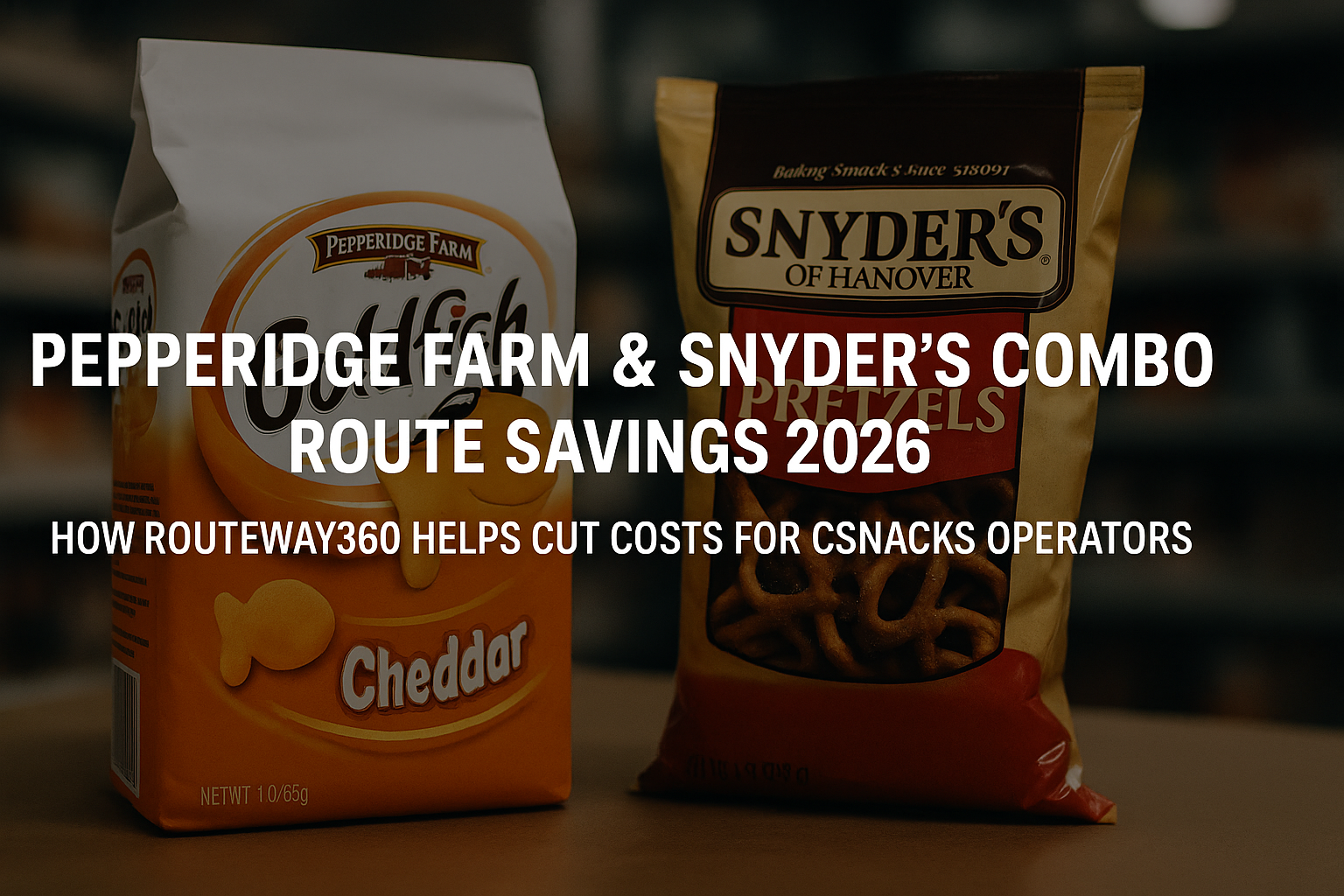
Cut Costs with Pepperidge Farm & Snyder’s Combo Insurance in 2026

If you’re managing combo routes featuring Pepperidge Farm Goldfish and Snyder’s pretzels, 2026 could be the year your insurance dollars start working smarter—not harder. By bundling coverage for these popular snack routes, operators can unlock substantial savings and streamline risk management. Enter Routeway360: the insurance partner helping CSnacks operators confidently combine routes and lower premiums without compromising coverage.

Get a tailored quote today and discover how to maximize savings on your Pepperidge Farm and Snyder’s combo routes in 2026.

White box truck branded CargoLink Freight parked at distribution warehouse dock with workers loading cartons during golden hour

Why Bundle Insurance for Pepperidge Farm & Snyder’s Combo Routes?

When your snack route business includes top brands like these, bundling insurance policies is a clear win. Since Pepperidge Farm Goldfish and Snyder’s pretzels often share the same delivery trucks, insuring them separately doesn’t make sense. Here’s why bundling works:

  • Cost Efficiency: Bundling usually lowers total premiums compared to separate policies. Insurers like Routeway360 offer discounts for combined routes because risk is diversified.
  • Simplified Management: Handling one policy beats juggling multiple renewals, payments, and paperwork. Bundling reduces admin hassle and the risk of missing key updates.
  • Comprehensive Coverage: A combo policy can be customized to address the specific risks of both Pepperidge Farm and Snyder’s products under one roof.
  • Increased Flexibility: Easily add or remove routes from your coverage, keeping your insurance aligned with your evolving business.

Simply put, bundling is the smart choice for CSnacks operators balancing these strong snack brands in 2026 and beyond.

Further reading: Explore wholesale & distributor insurance tailored for route operators.

White box truck branded CargoLink Freight parked at distribution warehouse dock with workers loading cartons during golden hour

About Pepperidge Farm Goldfish & Snyder’s Pretzels Combo Routes

Pepperidge Farm’s beloved Goldfish crackers and Snyder’s extensive pretzel varieties have secured their places on snack shelves—and on your delivery routes. Their steady demand creates lucrative combined routes but also unique operational challenges requiring the right insurance.

  • Pepperidge Farm Goldfish: Known for their cheddar-filled, fish-shaped crackers, these routes often serve schools, vending machines, and convenience stores.
  • Snyder’s Pretzels: From classic pretzel sticks to bold flavored bites, Snyder’s routes cover a broad network of retailers and distributors.

Since these routes share vehicles, storage, and teams, bundling insurance reduces overlapping costs and aligns coverage with how your business truly operates.

White box truck branded CargoLink Freight parked at distribution warehouse dock with workers loading cartons during golden hour

How Routeway360 Optimizes Combo Route Insurance for 2026

Routeway360 offers more than insurance—they design solutions tailored for the unique challenges of managing dual snack routes. Here’s their approach:

  • Tailored Risk Assessments: Identifying the distinct liabilities of Pepperidge Farm and Snyder’s routes and customizing coverage including commercial auto, product liability, and property insurance.
  • Bundled Discounts and Credits: Combining routes qualifies you for multi-route discounts that reduce premiums without cutting coverage corners.
  • Flexible Policy Structures: Add or drop routes mid-policy with ease, ensuring your insurance stays as agile as your operations.
  • Dedicated CSnacks Support: Experts who understand your snack route business provide advice customized to the nuances of Pepperidge Farm and Snyder’s combos.

This well-rounded approach delivers savings, solid protection, and peace of mind.

Interested in other business insurance options designed specifically for route operators? Explore them here.

White box truck branded CargoLink Freight parked at distribution warehouse dock with workers loading cartons during golden hour

Projected Savings and Benefits for 2026

Early estimates indicate bundling your Pepperidge Farm and Snyder’s routes could reduce insurance premiums by 10% to 25% in 2026. Savings come from lower administrative fees, combined discounts, and the underwriting benefits of risk spreading.

Additional advantages include:

  • Improved Cash Flow: Lower insurance costs free funds to reinvest in expanding or enhancing your routes.
  • Fewer Coverage Gaps: Coordinated policies reduce lapses that can happen when separate policies renew at different times.
  • Smoother Claims Processes: One insurer handling multiple routes means quicker, clearer claims handling.

By bundling, you gain a more predictable, manageable insurance expense that supports your route business’s growth and stability.

White box truck branded CargoLink Freight parked at distribution warehouse dock with workers loading cartons during golden hour

Steps to Get Your Pepperidge Farm & Snyder’s Combo Route Insurance with Routeway360

Ready to bundle? Follow this simple 5-step plan:

  1. Assess Your Routes: List all your Pepperidge Farm and Snyder’s routes and consider any changes anticipated for 2026.
  2. Contact Routeway360 Specialists: Connect with experts who specialize in CSnacks and snack route insurance bundles.
  3. Request a Customized Quote: Receive a detailed proposal covering premiums, coverage details, deductibles, and estimated savings.
  4. Review & Adjust Coverage: Ensure your policy covers everything—from vehicle liability to product handling.
  5. Implement Policy & Monitor: Once purchased, keep your coverage current as your routes evolve or expand.

This straightforward approach keeps your business protected, compliant, and budget-friendly.

Also, explore mobile service business insurance options that pair well with your route coverage.

White box truck branded CargoLink Freight parked at distribution warehouse dock with workers loading cartons during golden hour

Frequently Asked Questions (FAQs)

Can I insure other snack routes along with Pepperidge Farm and Snyder’s combo coverage?

Absolutely! Routeway360 and other insurers often offer multi-route insurance packages so you can bundle additional snack routes for greater savings and simpler coverage.

How much can I expect to save by bundling my routes in 2026?

Savings typically range from 10% to 25%, depending on your route size, location, and risk profile. A customized quote provides the most accurate estimate.

Will bundling affect my claims process or coverage limits?

Bundling generally simplifies claim management and helps maintain consistent coverage limits across all your routes, reducing the chance of gaps.

How does Routeway360 specifically support CSnacks route operators?

With deep knowledge of snack route challenges, Routeway360 offers tailored advice on inventory, delivery logistics, and customer needs unique to Pepperidge Farm and Snyder’s operators.

Can I switch from separate to bundled insurance mid-year?

Yes—most insurers, including Routeway360, allow flexible mid-term bundling. Check with your agent for timing details and any pricing changes.

White box truck branded CargoLink Freight parked at distribution warehouse dock with workers loading cartons during golden hour

Conclusion: Maximize Your Route Savings with Pepperidge Farm & Snyder’s Combo Insurance

Bundling your Pepperidge Farm Goldfish and Snyder’s pretzel routes into one insurance plan in 2026 is a smart strategy that saves money and streamlines operations. Routeway360’s customized coverage helps you lower costs, reduce paperwork, and ensure comprehensive protection tailored for CSnacks operators. Don’t miss out on these benefits—switch to combo insurance and strengthen your route business’s profitability and resilience.

Start your coverage with Routeway360 today and watch your route’s success grow.

For more expert insights on route insurance and beyond, check out food and beverage insurance designed for distributors like you.