Hablamos Español

877-792-9360

hello@routeway360.com

Hablamos Español

Reefer Breakdown Insurance for Perishable DSD Routes 2026

Uncategorized

Reefer Breakdown Insurance for Perishable DSD Routes 2026

In the fast-paced world of perishable direct store delivery (DSD) routes, maintaining the cold chain is absolutely critical. One unexpected refrigeration failure can transform fresh inventory into costly waste—leading to product spoilage and frustrating downtime. As we approach 2026, reefer breakdown insurance has become an essential safeguard for distributors managing perishables. This coverage not only handles costly repairs but also offers spoilage protection up to $100,000 if a breakdown extends beyond 24 hours.

Get a tailored quote today to secure protection that keeps your perishables fresh and your operations running smoothly.

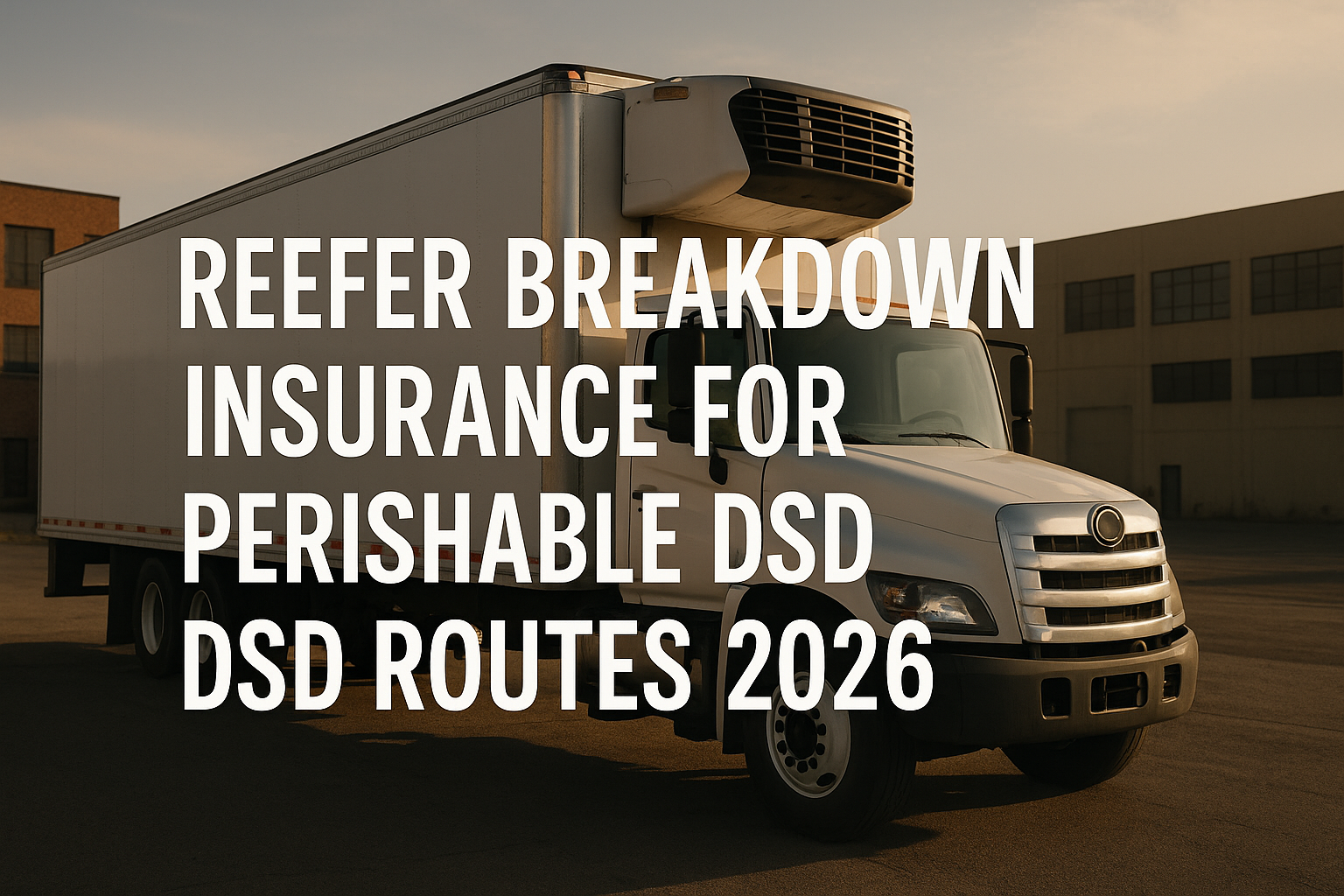
TransRoute Logistics refrigerated box truck at warehouse dock during golden hour with workers loading perishable cargo

Understanding Reefer Breakdown Insurance for Perishable Routes

Reefer breakdown insurance is a specialized yet vital coverage designed specifically for refrigerated transport—commonly called “reefers.” These trucks and trailers deliver products ranging from dairy and frozen foods to fresh produce right to stores or customers.

On any DSD route, even a short refrigeration lapse can quickly cause spoilage, turning profits into losses. Unfortunately, typical commercial vehicle insurance often does not cover refrigeration failures, creating costly gaps. That’s where reefer breakdown insurance comes in, covering both refrigeration repairs and the financial losses from spoiled inventory.

Key Benefits of Reefer Breakdown Insurance

  • Repair Coverage: Pays for immediate refrigeration repairs to keep your deliveries on track.
  • Spoilage Coverage up to $100,000: Protects against perishable inventory losses if the issue lasts more than 24 hours.
  • Fast Claims Process: Ensures quick response so you can recover and maintain customer trust.
  • Peace of Mind: Guards against the significant financial impact of unexpected equipment failures.

If maintaining the freshness of your perishable goods is a priority (and when isn’t it?), reefer breakdown insurance deserves your serious attention. Explore Routeway 360’s wholesale & distributor insurance options tailored to your unique needs.

TransRoute Logistics refrigerated box truck at warehouse dock during golden hour with workers loading perishable cargo

Why Refrigeration Failures Happen—and What They Cost

Refrigerated vehicles rely on complex mechanical and electrical systems, which can fail for many reasons:

  • Mechanical wear and tear: Constant use can wear down compressors, fans, and temperature controllers.
  • Electrical problems: Faulty wiring or dead batteries can suddenly stop refrigeration units.
  • Human error: Skipping maintenance or monitoring can lead to costly breakdowns.
  • Extreme weather: Heat waves and cold spells put extra pressure on cooling systems.

When failures occur mid-route, perishables spoil faster than you can react. The impact isn’t just wasted goods—it affects contracts, customer satisfaction, and your brand reputation.

Claims from single spoilage events often reach tens of thousands of dollars, making reefer breakdown insurance with coverage up to $100,000 a true game changer.

Real-World Examples of Impact

  • In summer 2025, a Midwest dairy distributor’s compressor failed mid-route. Their reefer breakdown insurance covered repair expenses and spoilage claims promptly, preventing severe financial distress.
  • A frozen seafood supplier experienced a refrigeration outage lasting over 30 hours in 2023 due to electrical faults. Thanks to specialized coverage for perishables, they were fully reimbursed for lost inventory, avoiding a devastating loss.

TransRoute Logistics refrigerated box truck at warehouse dock during golden hour with workers loading perishable cargo

How Routeway 360 Supports Perishable Routes with Reefer Breakdown Insurance

Routeway 360 focuses on insurance solutions for small and mid-sized delivery routes—especially those that rely on dependable refrigeration for perishables.

Their 2026 reefer breakdown insurance offers:

  • Rapid Claims Service: Tailored claims for refrigeration breakdowns to get you back on the road fast.
  • Repair Cost Coverage: Covers approved repairs to avoid expensive out-of-pocket costs.
  • Generous Spoilage Limits: Up to $100,000 in spoilage coverage after 24 hours, protecting your inventory during critical moments.
  • Dedicated Expertise: Specialists in perishable route insurance create personalized policies and risk plans.

Partnering with Routeway 360 means not only safeguarding your refrigerated fleet but also accessing additional insurance offerings like mobile service business insurance and wholesale & distributor insurance—building a comprehensive safety net for your operations.

TransRoute Logistics refrigerated box truck at warehouse dock during golden hour with workers loading perishable cargo

Choosing the Right Coverage for Perishable DSD Routes

When selecting reefer breakdown insurance for 2026, consider these key factors:

  1. Coverage Limits: Align spoilage protection with your inventory value and route scale.
  2. Response Times: Evaluate the speed of repair authorizations and claims handling.
  3. Deductibles and Premiums: Find a balance between affordable rates and thorough protection.
  4. Policy Flexibility: Look for add-ons or bundles that include commercial auto and liability coverage.
  5. Carrier Reputation: Choose insurers experienced in refrigeration and perishable delivery risks.

Routeway 360 provides personalized consultations to help route owners select the perfect coverage. Additionally, their incorporation services support businesses in establishing strong legal entities designed for risk management and growth.

Preventive Measures Beyond Insurance

While insurance serves as a financial safety net, prevention is the best first defense:

  • Schedule regular refrigeration inspections and maintenance.
  • Install real-time temperature monitoring systems on delivery trucks.
  • Train drivers and staff to respond quickly and effectively to issues.
  • Prepare rapid rerouting and backup plans ahead of time.

This layered approach improves reliability and minimizes risk.

TransRoute Logistics refrigerated box truck at warehouse dock during golden hour with workers loading perishable cargo

FAQs About Reefer Breakdown Insurance for Perishable Routes

What does reefer breakdown insurance typically cover?

It usually covers the cost to repair refrigeration units and compensates for financial losses if perishable goods spoil due to a breakdown lasting over 24 hours. Spoilage coverage can be as high as $100,000, depending on the policy.

Who needs reefer breakdown insurance?

Any business using refrigerated trucks for direct store delivery of perishables—such as dairy, produce, frozen foods, or pharmaceuticals—should strongly consider this coverage.

How quickly does spoilage coverage activate?

Spoilage coverage generally kicks in if refrigeration failure persists beyond 24 hours. Some policies offer shorter waiting periods or emergency response options.

Is reefer breakdown insurance included in commercial auto insurance?

No. Most commercial auto insurance policies exclude refrigeration breakdown and spoilage risks. Reefer breakdown insurance is a specialized add-on or a separate policy tailored for these challenges.

Can I bundle reefer breakdown insurance with other coverage?

Yes! Many insurers, including Routeway 360, provide bundled packages combining reefer breakdown insurance with liability, property, and commercial auto coverage for comprehensive protection.

TransRoute Logistics refrigerated box truck at warehouse dock during golden hour with workers loading perishable cargo

Final Thoughts: Keep Your Perishable DSD Routes Cold and Protected in 2026

In the world of perishable DSD deliveries, refrigeration is the lifeline from your products to your customers. Without reliable protection, a single breakdown can damage inventory, erode revenue, and strain client trust. Reefer breakdown insurance for 2026 offers critical support—covering both repairs and spoilage losses up to $100,000 when downtime lasts beyond 24 hours.

Routeway 360’s specialized insurance solutions provide peace of mind and fast claims handling, allowing you to focus on delivering fresh goods confidently. Combine this protection with proactive maintenance and risk strategies for the strongest resilience.

Ready to secure the ideal reefer breakdown coverage for your perishable deliveries? Get a tailored quote from Routeway 360 today and keep your routes cool, profitable, and stress-free throughout 2026 and beyond.
Why Generic Insurance Fails Bread DSD Operators in 2026

Uncategorized

Why Generic Insurance Is Failing Bread DSD Operators in 2026

Direct Store Delivery (DSD) bread operators in 2026 face a host of unique challenges—challenges that generic insurance policies simply aren’t designed to cover. While off-the-shelf insurance might seem adequate, it often misses critical details: the specific risks and operational quirks of the bread DSD industry. The consequence? Coverage gaps that can expose your business to costly claims, regulatory issues, and revenue losses. In this post, we explore why standard insurance falls short and how Routeway 360’s customized insurance programs provide the specialized protection bread DSD operators need to succeed in today’s competitive market.

Get a tailored quote to secure insurance coverage designed specifically for your bread distribution business.

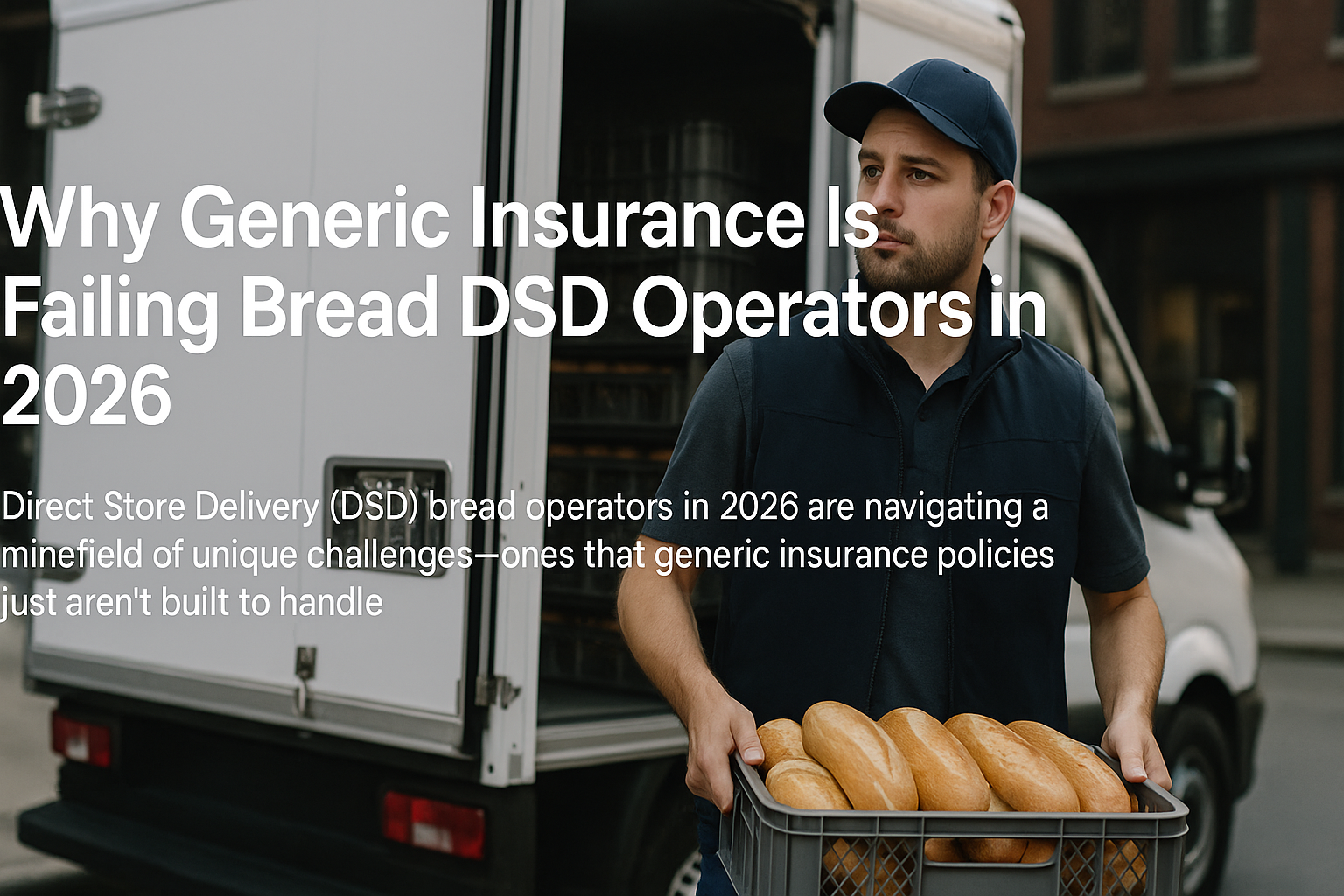
A refrigerated bread delivery truck at bakery loading dock with workers handling packages

The Unique Risks of Bread DSD Operations in 2026

Delivering fresh bread directly from bakery to store, often multiple times a day, is no ordinary delivery job. It introduces specialized risks that generic insurance often overlooks, including:

  • Perishable inventory: Bread’s shelf life is short, and maintaining freshness is crucial. Any refrigeration failure or transit loss can quickly lead to significant financial setbacks.
  • Specialized delivery vehicles: Refrigerated trucks and vans are essential to your operation but endure heavy wear and higher risks of mechanical problems or accidents.
  • Regulatory compliance: Bread DSD providers must manage FDA and USDA food safety standards, vehicle safety regulations, and labor laws that vary by state and locality.
  • Liability exposure: Risks include slip-and-fall accidents at delivery sites, contamination incidents, and product recalls—all demanding careful insurance coverage.
  • Highly competitive margins: Bread distribution operates on razor-thin profit margins, so any uninsured losses or claims can severely impact your bottom line.

Generic insurance frequently glosses over or completely misses these vital aspects, leaving your business exposed when it matters most.

Bread delivery refrigerated truck on the road

Why Generic Insurance Falls Short for Bread DSD Operators

Most generic commercial insurance policies aim to cover many industries but often fail to accommodate the specific needs of bread DSD operations. This jack-of-all-trades approach creates troubling gaps, such as:

  1. Inadequate vehicle coverage: Refrigerated vehicles require specialized protection against temperature control failures, cargo spoilage, and mechanical breakdowns—coverage often excluded or limited in standard policies.
  2. Limited inventory protection: Typical property insurance usually doesn’t account for baked goods’ perishability and spoilage risks, which can lead to denied claims for inventory loss.
  3. Inflexible liability terms: Deliveries take place at multiple locations with varied hazards—slips, contamination, property damage—and generic liability policies often exclude or limit coverage in these situations.
  4. No food safety or recall coverage: Generic policies typically lack food recall protection, leaving you vulnerable if contamination or foodborne illness occurs.
  5. Overlooked regulatory requirements: Bread DSD businesses face specific compliance needs like driver qualifications and sanitation standards that many generic insurers fail to address.
  6. Poor claims handling expertise: Insurers unfamiliar with bread DSD operations may delay claim processing and cause disputes, complicating your recovery.

In short, relying on generic insurance exposes your business to unexpected out-of-pocket costs, operational disruptions, and regulatory penalties that could jeopardize your future.

Workers loading bread into refrigerated delivery truck

How Routeway 360’s Specialized Insurance Programs Deliver Superior Protection

Routeway 360 understands your business. Our insurance programs are built from the ground up to meet the unique challenges of bread DSD, with features like:

  • Customized vehicle coverage: Full protection for refrigerated trucks and vans—including mechanical failures, temperature-control equipment issues, and cargo spoilage—to keep your products fresh and deliveries reliable.
  • Bread-specific inventory protection: Enhanced coverage that guards against perishable inventory loss during transit or storage, helping you avoid financial setbacks from spoilage.
  • Enhanced liability solutions: Tailor-made liability coverage for risks on the road and at delivery sites—including slip-and-fall incidents, contamination claims, and property damage—providing peace of mind.
  • Recall and food safety insurance: Integrated foodborne illness and product recall coverage designed to meet today’s rigorous food safety standards.
  • Regulatory compliance support: Coverage aligned with federal, state, and local food safety, transportation, and labor laws to minimize legal risks.
  • Industry expertise and claims advocacy: Our knowledgeable team ensures claims are handled promptly and fairly, so you can focus on running your business.

Simply put, Routeway 360 delivers insurance as dedicated and hardworking as you are—protecting your bread distribution business in a fiercely competitive industry.

Interested in more details? Explore our specialized food and beverage insurance solutions designed specifically for fresh product distribution.

Bread delivery truck on a highway surrounded by fresh bakery goods

The Business Impact of Specialized Bread DSD Insurance in 2026

Choosing insurance crafted for bread DSD operations doesn’t just protect you; it drives your business forward with benefits including:

  • Reduced operational downtime: Speedy claim processing and precise coverage reduce delivery disruptions when incidents occur.
  • Lower uninsured losses: Shield your cash flow by minimizing out-of-pocket expenses from spoiled bread, vehicle failures, or liability claims.
  • Compliance risk mitigation: Avoid fines and penalties by effortlessly meeting insurance and regulatory requirements.
  • Stronger credibility with customers: Retailers value distributors who demonstrate solid risk management and insurance backing, strengthening business relationships.
  • Potential insurance cost savings: Specialized programs often offer more competitive premiums thanks to risk management tailored to your business.

Routeway 360’s bread DSD insurance is more than just a safety net—it’s a strategic advantage in today’s fast-paced market.

Bakery products being loaded into refrigerated truck at sunrise

Frequently Asked Questions About Bread DSD Insurance

Why can’t I just use my existing commercial insurance for my bread delivery trucks?

Generic commercial vehicle insurance usually excludes coverage for refrigeration units and cargo spoilage, which are essential for bread DSD operations. Routeway 360’s specialized policies close these gaps to keep your products fresh and protected.

Does Routeway 360 offer coverage for product recalls?

Absolutely. Our bread DSD insurance programs include comprehensive food safety and product recall coverage to protect your business from the costly consequences of contamination or defective products.

How does specialized insurance help with regulatory compliance?

We tailor our coverage to meet the specific federal, state, and local regulations relevant to your bread DSD operations—including transportation, food safety, and labor laws—significantly reducing your risk of penalties.

Can I bundle bread DSD coverage with other insurance needs?

Yes! Routeway 360 offers flexible bundling options that let you combine bread DSD insurance with other policies such as tool dealer or mobile service coverage, providing streamlined risk management.

What makes Routeway 360 different from standard insurers?

We specialize in route-based businesses, including bread DSD operators. Our deep industry expertise ensures you receive superior coverage, expert claims handling, and insights that generic insurers simply can’t offer.

Conclusion

In 2026’s complex environment, bread DSD operators face operational, regulatory, and liability challenges that generic insurance policies are not equipped to handle. Specialized insurance programs from Routeway 360 provide essential protection—from covering perishable inventory and refrigerated vehicles to addressing food safety risks and regulatory exposures—helping your business avoid costly gaps and thrive in a competitive market.

If you’re still relying on generic insurance for your bread DSD operations, it’s time to upgrade to tailored coverage designed for your real-world challenges. Start your coverage with Routeway 360 today and protect what matters most.

Common Insurance Mistakes Flowers Foods Distributors Make in 2026

Uncategorized

Top Mistakes Flowers Foods Distributors Make With Insurance in 2026

If you’re an independent distributor partnering with Flowers Foods, having the right insurance coverage in 2026 isn’t just wise—it’s absolutely essential. Proper insurance protects your business assets, ensures you meet contractual requirements, and helps you avoid overspending on unnecessary premiums. Yet, many distributors fall into common traps that cause compliance issues, unexpected liabilities, or wasted funds. In this guide, we explore the most frequent insurance mistakes Flowers Foods distributors make this year and share expert insights from Routeway360 to keep you protected, compliant, and one step ahead.

Get a personalized insurance quote to safeguard your distribution business while optimizing your coverage costs.

Why Insurance Is Vital for Flowers Foods Distributors

Warehouse dock with branded SwiftHaul Express box truck and workers loading bakery goods

As an independent distributor for a prominent brand like Flowers Foods, you must navigate precise contractual insurance requirements. The right insurance does more than protect daily operations—covering vehicles, inventory, and employees—it also ensures you meet Flowers Foods’ standards. Falling short on compliance can lead to lost contracts, fines, or costly surprise expenses.

Insurance is your safety net against the unknown: accidents on the road, product damage, employee injuries, or legal claims. Conversely, over-insuring can quietly drain cash flow. The key is finding that balance where you’re well-protected without overpaying.

For distributors needing tailored protection, Routeway360 offers specialized wholesale and distributor insurance policies designed specifically for your industry.

Top Mistakes Flowers Foods Distributors Make With Insurance

1. Underestimating Required Coverage Limits

A common pitfall is carrying coverage limits too low to satisfy Flowers Foods’ stringent insurance standards. Your contract outlines minimums for general liability, vehicle insurance, and workers’ compensation. Some distributors try cutting premiums by settling for less, unknowingly violating contract terms.

Being underinsured risks contract termination or penalties, and claims could leave you paying large bills out of pocket. Tip: Thoroughly review your contract and insurance policy to ensure your coverage limits meet Flowers Foods’ requirements.

Want to learn more? Explore wholesale distributor insurance options to strengthen your protection.

2. Overlooking Commercial Auto Coverage

Your delivery trucks and vans drive your business forward—so relying on personal auto insurance for commercial purposes is a rookie error many Flowers Foods distributors make.

Personal auto policies generally exclude coverage for business use, leaving gaps if an accident occurs during deliveries. Commercial auto insurance covers vehicles, drivers, liabilities, physical damages, and cargo losses specifically tied to your business operations.

Ensure your fleet is protected with commercial auto insurance tailored for delivery services. Routeway360 specializes in vehicle and transportation insurance crafted for distributors like you.

3. Failing to Adjust Insurance as Business Expands

Growth in wholesale distribution means adding new routes, vehicles, drivers, and more inventory. Unfortunately, many distributors neglect to update their insurance accordingly.

Failing to inform your insurer of these changes can lead to underinsurance. For instance, adding vehicles or employees without adjusting liability limits may result in claim denials or invalidated coverage.

Pro tip: Keep your insurer informed about any growth—whether annually or as it happens—to maintain up-to-date, effective coverage.

4. Neglecting Workers’ Compensation and Employee Insurance

Not securing proper workers’ compensation or employee-related coverage is a costly mistake. If you have employees, state laws and Flowers Foods policies mandate certain insurance protections.

Workers’ compensation covers medical expenses and lost wages if an employee is injured on the job. Skipping this coverage risks fines, lawsuits, and heavy liabilities. Additionally, employment liability insurance protects you from claims like discrimination or wrongful termination.

For distributors with employees, obtaining comprehensive employee insurance through trusted providers like Routeway360 ensures compliance and peace of mind.

5. Missing Out on Discounts and Bundled Insurance Policies

Many distributors pay more than necessary simply because they haven’t compared options or bundled their policies. Bundling general liability, commercial auto, and workers’ compensation often unlocks significant discounts.

Don’t miss these savings—review your insurance annually and explore bundles designed specifically for distribution businesses. Routeway360 helps you compare options and find cost-effective solutions without sacrificing coverage.

Expert Tips to Maximize Insurance Benefits in 2026

  • Regularly Review Contracts: Carefully examine Flowers Foods insurance clauses and consult experts to ensure you meet all coverage requirements.
  • Annual Coverage Audits: Reassess your coverage limits, vehicles, and employees regularly to close any insurance gaps as your business evolves.
  • Partner With Industry-Savvy Brokers: Work with insurers experienced in distribution to get tailored policies and expert guidance.
  • Consider Risk Management Programs: Some insurers offer loss prevention and safety training discounts, improving your bottom line and workplace safety.
  • Keep Insurance Certificates Organized: Maintain all certificates for Flowers Foods or regulatory compliance easily accessible and up to date.

If you want personalized insurance guidance built specifically for Flowers Foods distributors, get a custom quote from Routeway360 experts who understand your unique needs.

FAQs About Insurance for Flowers Foods Distributors in 2026

What insurance types are mandatory for Flowers Foods distributors?

Typically, Flowers Foods requires general liability, commercial auto insurance for delivery vehicles, and workers’ compensation for employees. Requirements may vary by contract and location, so always review your agreement carefully.

Can I use a personal auto policy for my delivery vehicle?

No. Personal auto policies exclude commercial activities like deliveries. Commercial auto insurance is necessary to maintain protection and contract compliance.

How often should I update my insurance?

Update your insurance whenever major changes occur—such as adding vehicles, employees, or expanding routes. Aim for an annual review to keep your coverage adequate and up to date.

Are there cost-saving options available?

Yes. Bundling coverages, working with specialized brokers, and participating in risk management programs are great ways to reduce premiums while staying well-covered.

What if I’m underinsured?

Underinsurance can breach your Flowers Foods contract, lead to denied claims, expose you to serious financial risks, and even jeopardize your business relationship.

Conclusion: Smart Insurance Protection for Flowers Foods Distributors in 2026

Avoiding these common insurance mistakes will help your Flowers Foods distribution business stay compliant and financially healthy throughout 2026. Being proactive—understanding contract requirements, maintaining proper coverage limits, updating policies as your business grows, and relying on industry experts—can prevent costly surprises and operational disruptions.

Partner with Routeway360 for expert advice and competitive wholesale distributor insurance tailored just for you. We make insurance for Flowers Foods distributors straightforward and stress-free.

Start your coverage today and confidently protect your business’s future.

How to Save on Matco Tool Truck Insurance in 2026

Uncategorized

How to Save on Matco Tool Truck Insurance in 2026

Owning or driving a Matco tool truck? Insurance premiums can quickly become a major expense in your budget. With 2026 bringing rising costs, it’s more important than ever to find smart strategies that reduce your Matco tool truck insurance rates — without sacrificing coverage or franchise compliance. Fortunately, Routeway360 combines advanced telematics with intelligent bundling options to help you lower premiums the right way.

Get a tailored quote today and discover how much you can save on your Matco tool truck insurance.

Matco tool truck undergoing safety inspection with workers in reflective jackets

Understanding the Basics of Matco Tool Truck Insurance

Matco tool truck insurance is not your typical commercial vehicle policy—it’s tailored specifically for trucks carrying valuable tools and equipment. Common coverage includes:

  • Liability protection for bodily injury and property damage
  • Physical damage coverage for both your truck and tools
  • Auto insurance requirements unique to Matco franchise agreements
  • Protection for tools and inventory while on the road

Because these trucks transport costly equipment, insurance premiums tend to be higher. Insurers factor in theft risks, accident likelihood, and liability exposure specific to your mobile business. Additionally, franchise contracts often mandate minimum coverage levels that can impact your budget but are essential. Mastering the balance between operational needs and franchise mandates is your key to managing costs in 2026.

Proven Strategies to Lower Matco Tool Truck Insurance Premiums

Reducing your Matco tool truck insurance costs isn’t accidental—it’s strategic. Here are time-tested tips to lower premiums while keeping Matco’s requirements intact:

1. Implement Telematics to Improve Driving Safety

Telematics technology monitors your driving using GPS and vehicle diagnostics—think of it as a fitness tracker for your truck’s behavior. Insurers reward responsible drivers who:

  • Stick to speed limits
  • Brake and accelerate smoothly
  • Avoid harsh turns and sudden stops
  • Limit risky nighttime driving

Routeway360 integrates telematics into your insurance, allowing you to earn discounts based on real driving data. This approach not only cuts premiums but also enhances road safety—a double benefit. The Insurance Information Institute highlights that safe drivers can save up to 30% with telematics policies.

2. Bundle Your Commercial Coverages

Why manage separate policies when bundling can simplify and save? Many Matco tool truck owners benefit by combining:

  • Commercial auto insurance
  • General liability coverage
  • Tools and equipment protection
  • Business owner’s policy (BOP)

Bundling reduces overall premiums and streamlines insurance management by consolidating risks under one provider. Routeway360 offers customized bundles tailored for mobile tool dealers, maximizing savings without compromising crucial franchise-required coverage.

Interested? Explore our tool dealer insurance options crafted specifically for businesses like yours.

3. Maintain a Clean Driving and Claims Record

Insurers value a spotless driving history. Avoid accidents and tickets by:

  • Consistently following all traffic laws
  • Eliminating distractions behind the wheel
  • Completing defensive driving courses when available

Additionally, addressing minor damages yourself instead of filing claims can prevent your premiums from rising. Demonstrating you’re a low-risk driver means better insurance rates.

4. Choose the Appropriate Deductible and Coverage Limits

Selecting deductibles and coverage limits that meet franchise rules without overstretching your finances is a balancing act. Higher deductibles usually lower premiums but require more out-of-pocket if a claim occurs. Regularly reviewing your coverage ensures it stays aligned with your truck’s value and risk exposure. Routeway360’s specialists can help you find the ideal balance for your situation.

Staying Franchise-Compliant in 2026

Matco franchise agreements include mandatory insurance standards that protect the brand and ensure coverage for everyone involved. Following these rules helps you avoid fines or, worse, losing your franchise. Keep these tips in mind:

  • Regularly review franchise insurance guideline updates
  • Work with agents familiar with Matco’s insurance requirements
  • Obtain certificates of insurance promptly on request
  • Ensure all drivers are licensed and included on your policy

Trying to save money by cutting corners on compliance isn’t worth the risk. With Routeway360’s expertise, you can confidently meet franchise mandates while keeping costs under control.

Looking to strengthen your business foundation? Discover our incorporation services that help reduce insurance liabilities.

Why Choose Routeway360 for Your Matco Tool Truck Insurance?

Routeway360 isn’t just another insurer—we combine advanced technology, industry expertise, and customized packages for mobile tool dealers. Here’s what sets us apart:

  • Telematics integration: Real-time driving data unlocking premium discounts for safe habits
  • Customized bundles: Comprehensive coverage for trucks, tools, liability, and franchise requirements
  • Franchise-focused compliance: Policies tailored to meet Matco’s strict insurance standards
  • Expert risk assessment: Specialists who deeply understand mobile tool route risks

Your choice of insurance provider affects your budget and peace of mind. Routeway360 empowers Matco truck operators to streamline their coverage and reduce costs with complete transparency.

Want to learn more? Visit our tool dealer insurance overview.

Additional Tips to Save on Matco Tool Truck Insurance

Looking for extra money-saving tips beyond telematics and bundling? Consider these:

  • Keep your truck well-maintained: Regular upkeep reduces accident risks and costly repair claims.
  • Limit personal use: Use your truck strictly for business to avoid premium increases from mixed-use exposures.
  • Secure parking and storage: Park in safe or monitored areas to deter theft and vandalism.
  • Shop around annually: Insurance markets change, so compare quotes regularly with Routeway360 experts.

Frequently Asked Questions (FAQs)

Q1: Can installing a GPS tracker on my Matco truck reduce insurance costs?

Absolutely. GPS trackers provide valuable telematics data on your driving habits, helping insurers view you as a safer driver, which often leads to discounts. That’s why Routeway360 includes telematics options.

Q2: What is the typical deductible for Matco tool truck insurance policies?

Deductibles generally range from $500 to $2,500. Choosing a higher deductible usually reduces your premium but increases your out-of-pocket expense if you file a claim.

Q3: Are there specific insurance requirements from Matco franchises that affect premiums?

Yes. Matco franchises require minimum liability limits and may mandate physical damage coverage and endorsements for tools and equipment—these set the baseline insurers use to price your policy.

Q4: How often should I review my Matco truck insurance policy?

It’s best to review your policy annually or after major changes to your business, vehicle fleet, or franchise requirements. Keeping coverage current helps control costs and ensures compliance.

Conclusion

Saving on Matco tool truck insurance in 2026 is achievable by leveraging telematics, bundling coverages, maintaining a clean record, and selecting coverage wisely — all while adhering to franchise rules. Partnering with Routeway360 provides the expertise and tools to make these strategies effective for you.

Take control of your insurance expenses today and start your coverage confidently, unlocking savings for 2026 and beyond.
Cheapest Compliant Insurance for Snap-On Dealers 2026

Uncategorized

Cheapest Compliant Insurance for Snap-On Dealers 2026

Snap-On dealers, take note: the insurance landscape is shifting in 2026, and staying compliant goes beyond ticking a box—it’s about protecting your business from expensive liabilities and operational setbacks. The great news? Securing the right coverage doesn’t have to break the bank. In this guide, we’ll reveal the smartest, most cost-effective strategies to lock in compliant insurance that keeps your Snap-On franchise well-protected. Using Routeway 360’s expert methods, dealers often save 15-25%—all without compromising on protection.

Get a tailored quote today and discover how much you can save.

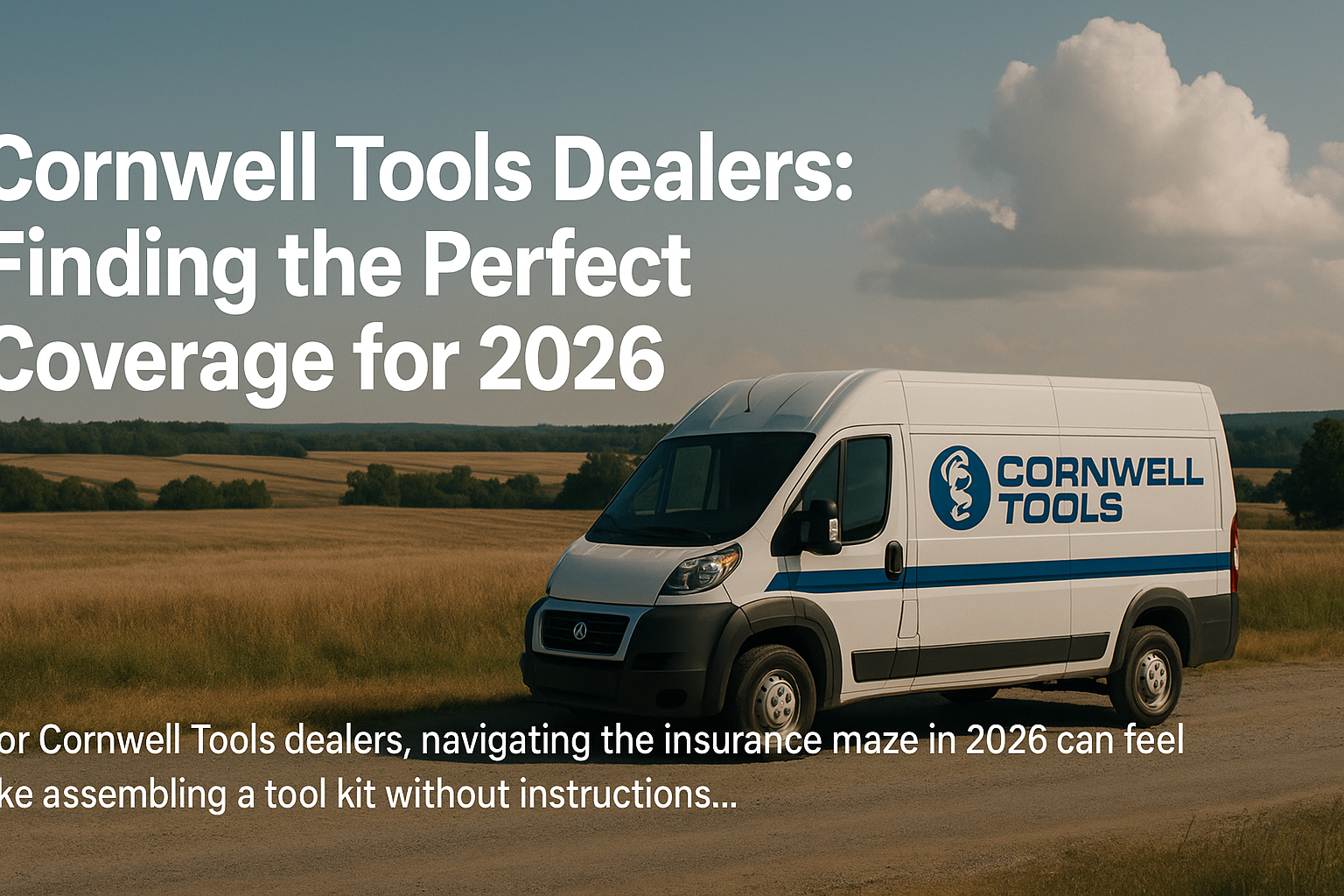
Modern white box truck branded with TransRoute Logistics parked at warehouse dock with workers scanning packages

Why Updated Insurance Requirements Matter for Snap-On Dealers

Snap-On dealers don’t just offer tools—they provide professionals with specialized equipment requiring a unique insurance approach. With evolving industry risks and more complex franchise operations, new rules are rolling out for 2026. Expect important changes such as:

  • Increased minimum liability coverage limits to address higher risks
  • Policy endorsements focusing on product liability and equipment transportation
  • Proof of business interruption and property insurance requirements
  • Hired and non-owned auto coverage tailored for your delivery and service vehicles

Missing these requirements isn’t just a paperwork oversight—it can jeopardize your franchise, void contracts, and result in costly fines. More critically, it puts your inventory and valuable business assets at risk.

Understanding what’s required upfront allows dealers to shop confidently and avoid surprises, ensuring their insurance meets Snap-On’s mandates.

Curious for more details? Explore our comprehensive tool dealer coverage guide, tailored specifically for Snap-On professionals.

Modern white box truck branded with TransRoute Logistics parked at warehouse dock with workers scanning packages

How to Find the Cheapest Compliant Insurance Without Sacrificing Protection

Insurance can be a significant expense, but choosing “cheap” the wrong way can lead to dangerous coverage gaps and unexpected costs. Ready to save wisely? Here are proven tips designed for Snap-On dealers navigating the 2026 insurance landscape:

1. Work with Specialty Agents Experienced in Tool Dealer Insurance

Steer clear of generic agents. Seek brokers who specialize in tool dealer insurance. They understand Snap-On’s unique coverage needs and your business specifics, securing policies that fit perfectly without unnecessary extras.

2. Bundle Multiple Coverages for Discounts

Bundling is not just convenient—it saves money. Combine your commercial liability, property, hired/non-owned auto, and workers’ comp into a single package. This strategy trims premiums and keeps your compliance checklist well-organized.

3. Opt for Higher Deductibles Where Feasible

Increasing deductibles lowers your premiums. Think of it as sharing a bit more risk upfront in exchange for significant savings. This works well for Snap-On dealers who practice strong safety and loss prevention.

4. Review and Update Inventory Valuations Accurately

Avoid overpaying for insurance by appraising your inventory regularly and accurately. This ensures you only pay to cover what you genuinely need, keeping expenses lean and capital available.

5. Leverage Technology and Route Optimization

Insurers value data-driven risk management. Using GPS tracking, optimized route planning, and safety monitoring for your deliveries can earn you discounts. It’s a clear signal to insurers that you’re a responsible operator.

6. Avoid Gaps and Provide Complete Documentation

Compliance requires ongoing attention. Missing proof, delayed submissions, or coverage gaps can cause renewal problems and premium hikes. Stay organized and keep your paperwork up to date for smooth insurance management.

Want additional insights on reducing risks and costs? Check out our mobile service business insurance solutions designed for route-based professionals.

Modern white box truck branded with TransRoute Logistics parked at warehouse dock with workers scanning packages

Typical Insurance Coverages Every Snap-On Dealer Must Have by 2026

To meet compliance and protect your business, make sure your policies include these essentials:

  • Commercial General Liability (CGL): Protects against claims of bodily injury, property damage, or advertising injury related to your operations.
  • Commercial Property Insurance: Covers your tools, equipment, office, and warehouse against fire, theft, storms, and other risks.
  • Hired and Non-Owned Auto Insurance: Liability coverage for rented or employee-driven vehicles used on business errands.
  • Product Liability Insurance: Crucial for tool dealers, safeguarding against lawsuits from defective or malfunctioning products.
  • Business Interruption Insurance: Helps maintain income if operations are paused due to covered events.
  • Workers’ Compensation: Typically required if you have employees; it covers medical and wage claims from workplace injuries.

These coverages form a strong foundation; additional endorsements specific to Snap-On risks complete a robust profile. Always confirm your policies align with 2026’s mandatory standards before finalizing.

For a wider perspective on franchise-compliant policies, visit our wholesale & distributor insurance options.

Modern white box truck branded with TransRoute Logistics parked at warehouse dock with workers scanning packages

How Routeway 360 Saves Snap-On Dealers 15-25% on Insurance

Routeway 360 isn’t your average insurance broker—they focus exclusively on franchise dealers like Snap-On pros. Their deep industry insight and carrier relationships help trim premiums without sacrificing must-have coverage. Here’s how they deliver consistent 15-25% savings:

  1. Customized Coverage Analysis: They analyze your vehicles, inventory, routes, and sales data to balance risk and cost wisely.
  2. Access to Niche Markets: Their network includes specialized insurers eager to serve Snap-On dealers better than general markets.
  3. Policy Bundling and Specialized Endorsements: Combining coverages and applying Snap-On specific endorsements keeps contracts intact and costs down.
  4. Claims Management and Loss Prevention: Proactive guidance helps avoid costly claims that can increase premiums.
  5. Annual Policy Reviews and Adjustments: They revisit your insurance yearly, adjusting limits and deductibles to maximize ongoing savings.

With 2026 compliance deadlines approaching, partnering with Routeway 360 can be your smartest strategy to secure compliant coverage without cutting into profits.

Also worth exploring are Routeway 360’s business tax services and incorporation strategies, excellent supplements to your insurance toolkit.

Modern white box truck branded with TransRoute Logistics parked at warehouse dock with workers scanning packages

FAQs: Insurance for Snap-On Dealers 2026

What are the minimum liability insurance limits required for Snap-On dealers in 2026?

For 2026, expect minimums of $1 million per occurrence and $2 million aggregate for general liability. Some franchises may require higher limits; always verify requirements with Snap-On and your insurer.

Can I keep my existing insurer and meet 2026 Snap-On insurance requirements?

Potentially yes. You may need to add endorsements or upgrade policies to meet new standards. A specialist broker can review your coverage and pinpoint any gaps—no need for a complete overhaul if not necessary.

How much can I expect to pay for compliant insurance as a Snap-On dealer?

Costs vary based on your business size, routes, and assets—ranging from a few thousand to tens of thousands annually. Using a specialist like Routeway 360 often reduces those costs by 15-25%.

What are common coverage gaps Snap-On dealers should avoid?

Watch for missing hired/non-owned auto coverage, insufficient product liability limits, or undervaluing inventory. These are surprisingly frequent but critical gaps that can compromise franchise compliance.

Is workers’ compensation insurance mandatory for Snap-On dealers?

If you have employees, workers’ comp is generally required by state law. Solo owners may be exempt, but always confirm local regulations to be sure.

Final Thoughts: Smart Savings for 2026 Snap-On Dealer Insurance

2026 ushers in a new insurance era for Snap-On dealers. Updating and perfecting your coverage is more than compliance—it’s peace of mind for your business and franchise. With expert advice and smart choices, getting compliant can be affordable and hassle-free.

Routeway 360’s franchise-focused expertise offers cost-effective insurance solutions that meet or exceed Snap-On’s requirements—often saving dealers 15-25%. Insurance should be a strategic business asset, not a burden.

Ready to meet the 2026 requirements without breaking your budget or risking coverage gaps? The experienced team at Routeway 360 is just a click away.

Start your coverage with Routeway 360 today and secure your franchise’s future.

Top 10 Bread Route Insurance Requirements for 2026

Uncategorized

Top 10 Bread Route Insurance Requirements for 2026

Running a bread route business in 2026 isn’t just about timely deliveries and friendly service — it’s about having insurance that’s as sharp as your crust. Whether you’re rolling out goods for giants like Flowers, Bimbo, or Aunt Millie’s, understanding your insurance requirements can save you from costly surprises. At Routeway360, we specialize in connecting independent bread route owners with insurance options tailored to their unique risks and carrier demands.

Get a tailored quote today to protect your bread route business and keep your dough rising, no matter what the road throws your way.

Modern white box truck branded with 'TransRoute Logistics' at bakery distribution dock during golden hour with workers loading bread boxes

Why Bread Route Insurance Matters in 2026

In 2026, bread route operators face more than just traffic jams and early mornings. With packed delivery schedules, heavier road liabilities, and bread brands tightening safety protocols, insurance coverage is your first line of defense. It shields you from vehicle accidents, cargo damage, liability claims, and unexpected business interruptions.

Major brands enforce strict minimum coverage levels to protect their reputation and minimize legal exposure — meaning one-size-fits-all insurance won’t cut it.

Familiarizing yourself with each brand’s insurance nuances and finding affordable policies that tick all the boxes is essential to stand out and stay compliant.

Close-up of hands on clipboard with insurance documents for bread route business

Overview of the Top Bread Brands

  • Flowers Foods: A bakery powerhouse behind favorites like Nature’s Own and Wonder Bread.
  • Bimbo Bakeries USA: Home to household names such as Sara Lee and Entenmann’s, with tight vendor insurance requirements.
  • Aunt Millie’s: A regional favorite known for close distributor ties and moderately flexible insurance standards.

Each brand’s insurance approach varies considerably, reflecting their unique appetite for risk and scale of operations.

Collage of bread brand logos including Flowers, Bimbo, and Aunt Millie’s

Top 10 Bread Route Insurance Requirements Compared for 2026

Ready for the deep dive? Here’s a side-by-side look at the top ten insurance mandates bread brands typically require from their route operators. Use this as your roadmap to meet — or even exceed — expectations without breaking the bank.

  1. Minimum Auto Liability Coverage Limits

    • Flowers: $1,000,000 combined single limit (CSL)
    • Bimbo: $1,500,000 CSL in high-risk areas
    • Aunt Millie’s: $750,000 CSL accepted for regional routes

    Auto liability is your bread and butter — it covers bodily injury and property damage if an accident occurs. Bimbo’s higher limits reflect their expansive national reach and associated risks.

  2. Commercial Auto Insurance

    • All brands: Require commercial auto insurance, not personal policies, since your vehicle is working hard for business.

    This ensures your vehicles are protected when hauling multiple deliveries and heavier bread loads — because business isn’t personal.

  3. Cargo Insurance/Damage to Goods

    • Flowers: Requires cargo insurance up to $100,000 per load.
    • Bimbo: Insists on $125,000 coverage for transported bread.
    • Aunt Millie’s: Recommends but doesn’t strictly require cargo coverage.

    Cargo insurance protects your precious loaves from damage or theft on the road—after all, brand reputation starts with safe deliveries.

  4. General Liability Insurance

    • Flowers: Minimum $1,000,000 per occurrence
    • Bimbo: Also $1,000,000 per occurrence
    • Aunt Millie’s: A more modest $500,000 per occurrence

    This coverage covers those “oops” moments—like accidentally damaging a client’s property or causing bodily injury on the job.

  5. Workers’ Compensation

    • All brands: Require workers’ comp if you employ delivery drivers or helpers.

    If your team is hurt on the job, this coverage picks up medical expenses and lost wages, protecting both your employees and your business.

  6. Umbrella Insurance

    • Bimbo and Flowers: Strongly recommend umbrella policies with $1 million or more in additional coverage for rare but significant liability claims.
    • Aunt Millie’s: Optional but a wise extra layer of protection.

    Think of umbrella insurance as the extra slice of coverage you want when unexpected storms occur.

  7. Physical Damage Coverage

    • Generally optional but highly recommended to cover collision, comprehensive, and theft for your delivery vehicles.

    Protects your hard-working vehicles from costly repairs or replacements so accidents don’t turn into financial disasters.

  8. Route Business Interruption Insurance

    • Not often mandatory, but many operators opt-in to cover lost income due to delays or disasters.

    This coverage helps keep the bread rolling in even when life throws curveballs.

  9. Additional Insured Endorsements

    • All brands: Require adding the bread company as an additional insured on your policies.

    This protects the brand from liability related to your route activities — keeping everyone covered.

  10. Certificate of Insurance (COI) Submission

    • All brands: Demand current COIs before contracts begin or renew.

    Proof is in the paperwork—submit your insurance certificates on time to keep contracts running smoothly and stress-free.

Checklist clipboard with pen inside delivery van for bread route insurance

Finding Affordable Bread Route Insurance for Independents

With insurance checklists that seem to grow like a sourdough starter, independent bread route owners need a clear strategy. You want coverage that suits your route, brand demands, and budget — without shortcuts.

At Routeway360, we assist independent bread route operators by:

  • Customizing Policy Options: Align coverage with your delivery scale and brand requirements.
  • Offering Competitive Pricing: Leverage our industry connections to find great rates without sacrificing protection.
  • Ensuring Compliance: Keep you ahead of contract terms with up-to-date insurance certificates and endorsements.
  • Providing Expert Guidance: Our specialists know bread brands and route risks inside and out.

Let Routeway360 handle your insurance needs, so you can focus on delivering and growing your business.

For more insights, explore our food and beverage insurance options designed for delivery operations like yours.

Additional Tips to Optimize Bread Route Insurance in 2026

  • Review Coverage Annually: Adjust limits and policies as your route or brand relationships evolve to avoid gaps or overpayments.
  • Bundle Policies: Combining auto, cargo, and liability coverage often earns you discounts — a sweet deal!
  • Maintain Strong Safety Records: Lower risks usually translate into lower premiums — good safety is good business.
  • Work with Route-Focused Insurers: Specialists understand bread route insurance needs better than general insurers.
  • Keep Accurate Documentation: Streamlines COI submissions and audits, making your life easier.

FAQs About Bread Route Insurance Requirements

What is the minimum auto liability coverage required for bread route operators?

Requirements vary by brand — typically ranging from $750,000 to $1,500,000 combined single limit. Brands like Bimbo often require higher limits due to their wide geographic reach.

Do I need cargo insurance for bread delivery?

Yes. Cargo insurance protects your inventory against loss or damage during transport, with many brands mandating at least $100,000 coverage per load.

Is workers’ compensation mandatory if I hire drivers?

Absolutely. If you have employees, most states and bread companies require workers’ comp to cover workplace injuries and safeguard your business financially.

Can I use a personal auto insurance policy for my bread route?

No. Since bread route deliveries involve commercial activities, commercial auto insurance is necessary for proper business risk protection.

How can Routeway360 help me get the best bread route insurance?

We specialize in route business insurance, providing personalized, affordable policies that meet bread brands’ strict requirements and shield your operation effectively.

Conclusion

Insurance requirements for bread route operators in 2026 are more detailed and demanding — especially with major brands like Flowers, Bimbo, and Aunt Millie’s setting the bar. Understanding these top 10 insurance requirements is your secret ingredient to staying compliant and protecting your investment.

Partnering with a knowledgeable broker like Routeway360 ensures you get the right coverage, affordable pricing, and expert service tailored specifically for your route business.

Start your coverage with Routeway360 today and knead your bread route business’s future into a safer, stronger loaf.

Pepperidge Farm vs Utz Combo Route Insurance in 2026

Uncategorized

Pepperidge Farm vs Utz Combo Route Insurance 2026: Optimizing Coverage for Mixed DSD Operators

In 2026, snack route operators managing Pepperidge Farm Goldfish and Utz combo routes face a dynamic landscape full of both challenges and opportunities to secure ideal insurance coverage. As these iconic snack brands expand their direct-store-delivery (DSD) models, grasping the nuances of insurance for mixed snack routes is not just smart—it’s essential. This article breaks down the critical differences and key considerations to help DSD operators protect their business while balancing costs effectively.

Get a tailored quote to ensure your snack route is fully covered for 2026.

Modern branded white box truck labeled 'TransRoute Logistics' parked at a clean warehouse dock with workers loading boxes during golden hour

Understanding Combo Routes in the DSD Snack Industry

Combo routes merge multiple snack brands into a single, efficient delivery operation. For many operators, combining Pepperidge Farm Goldfish with Utz snacks enhances efficiency, broadens product selection, and increases revenue potential. However—and this is important—this strategy complicates insurance needs, as coverage must address the unique risks, liabilities, and contract requirements related to each brand.

Pepperidge Farm is renowned for its premium Goldfish crackers, supported by stringent brand guidelines and an upscale market position. Utz, a dominant regional snack leader, offers a diverse assortment of chips, pretzels, and savory treats. Insuring such a varied product mix calls for policies flexible enough to manage broad operational risks inherent in DSD.

If you want to explore food and beverage insurance options tailored for snack food businesses, this resource is a great place to start.

Pepperidge Farm Goldfish and Utz snacks combo route delivery box with snacks visible

Key Insurance Considerations for Pepperidge Farm vs Utz Combo Routes

1. Product Liability Coverage

At the heart of protection is product liability insurance. Both Pepperidge Farm and Utz require robust liability safeguards to shield against claims like product contamination, labeling errors, or spoilage during delivery. Pepperidge Farm often insists on additional endorsements reflecting its premium brand status.

  • Pepperidge Farm Goldfish: Typically requires higher coverage limits with strict quality control endorsements to minimize brand risk.
  • Utz Snacks: While strong liability coverage is vital, Utz’s regional focus may allow for more flexible terms.

Operating both means you need customized product liability insurance meeting both suppliers’ standards—often involving layered coverage and substantial aggregate limits. To better handle these liabilities, consider learning more about food and beverage insurance.

2. Vehicle and Auto Coverage

DSD routes thrive on their commercial vehicle fleet. Insurance must cover a diverse range—from smaller vans typical of Utz deliveries to larger, climate-controlled trucks that Pepperidge Farm relies on to keep snacks fresh.

  • Pepperidge Farm: Generally demands comprehensive auto insurance with extra coverage for refrigerated vehicles.
  • Utz: Requires strong commercial auto liability but usually with less emphasis on temperature-controlled transport.

Routeway 360 helps optimize your mobile service business insurance to cover these mixed vehicle needs, balancing costs and risk professionally.

3. General Liability and Property Insurance

General liability insurance protects against third-party injuries or property damage at locations like loading docks, warehouses, or customer sites. The varied scale and locations of combo route operations influence policy details.

  • Pepperidge Farm: Typically requires higher property and sanitation standards, with additional endorsements.
  • Utz: Focuses on regional warehouse coverage but still needs solid liability protection for safe operations.

Bundling these coverages under a custom commercial insurance plan that efficiently supports both brands is a savvy approach.

4. Contractual and Brand-Specific Insurance Mandates

Both Pepperidge Farm and Utz require strict insurance commitments in their vendor contracts—such as minimum coverage limits, special endorsements (like recall insurance), and certificates naming the manufacturer as additionally insured.

Operating combo routes means carefully managing two sets of contract rules to avoid compliance pitfalls. Working with brokers experienced in food and beverage route insurance can simplify compliance and help prevent costly errors.

Insurance documents and vehicle keys on a desk representing combo route insurance planning

How Routeway 360 Optimizes Coverage for Mixed DSD Routes

Routeway 360 excels in building insurance solutions for DSD operators running mixed snack routes, including Pepperidge Farm and Utz combos. What’s their advantage?

  1. Risk Assessment Specific to Product Mix: Evaluates unique exposures linked to premium (Pepperidge Farm) versus regional (Utz) brands.
  2. Customized Coverage Solutions: Provides layered product liability, tailored auto insurance, plus comprehensive general liability and property coverages.
  3. Compliance Assurance: Ensures all brand-specific insurance requirements are met, with complete documentation.
  4. Bundling Discounts: Combines multiple policies to reduce premiums without sacrificing coverage.
  5. Dedicated Support: Offers ongoing advice to adjust your policies as your routes and product mix evolve.

These strengths make Routeway 360 the ideal partner for snack route operators seeking flexible, dependable snack route insurance tailored for 2026 and beyond.

Routeway 360 team providing insurance consultation for combo route operators

Cost Comparison Insights: Pepperidge Farm vs Utz Combo Route Insurance

Insurance premiums vary based on route size, product mix, vehicle fleet, and geography. Here’s a quick overview:

  • Pepperidge Farm routes: Typically have higher premiums due to increased product liability limits, refrigerated vehicles, and stringent brand protections.
  • Utz routes: Usually incur lower insurance costs, reflecting fewer refrigerated trucks and regional focus.
  • Combo routes: Fall in the middle but tend to be above average because of combined coverage requirements and endorsements for both brands.

Pro tip: Request quotes specifically designed for your mixed-route operation. Collaborating with brokers skilled in food distribution insurance will help you secure competitive pricing and coverage tailored to your needs.

Preparing Your Snack Route Insurance for 2026: Best Practices

To keep your insurance sharp for Pepperidge Farm and Utz combo routes, consider these best practices:

  1. Review Contracts Annually: Insurance requirements can change yearly—stay proactive to avoid coverage gaps.
  2. Inventory Your Fleet and Property: Accurate records of vehicles and warehouses ensure appropriate coverage.
  3. Disclose All Product Lines: Full transparency prevents claim denials related to undisclosed items.
  4. Leverage Professional Consultation: Work with experts like Routeway 360 to design policies tailored to your specific operations.
  5. Audit Your Coverage Regularly: Ensure your insurance evolves along with your business growth and changing risks.

FAQs About Pepperidge Farm vs Utz Combo Route Insurance

Is combined insurance for Pepperidge Farm and Utz routes more expensive than separate policies?

Generally, yes. Combo route insurance often costs more due to the combined risks. However, bundling coverage with a single insurer usually saves money compared to maintaining separate policies.

Can I use one insurance provider for both brands?

Absolutely. Partnering with an insurer familiar with both brands and DSD operations, such as Routeway 360, simplifies compliance and coverage management.

What specific endorsements might I need for Pepperidge Farm coverage?

Pepperidge Farm often requires endorsements for product recall, refrigerated transport, and elevated product liability limits to protect its premium brand reputation.

How can I ensure my coverage meets Utz’s contractual requirements?

Carefully review your vendor agreements and work with specialized brokers to confirm your insurance aligns with all contract mandates.

Conclusion

The snack distribution market continues to evolve in 2026. Securing customized insurance for Pepperidge Farm and Utz combo routes is more important than ever. Operators must balance the premium demands of Pepperidge Farm’s Goldfish alongside Utz’s strong regional footprint—ensuring coverage that protects against product, vehicle, and property risks.

Routeway 360 delivers flexible, compliant, and cost-effective insurance solutions designed specifically for mixed DSD operators handling these leading snack brands. With coverage aligned perfectly with contracts and operational needs, snack route owners can confidently safeguard their businesses and enhance profitability.

Start your coverage today with Routeway 360’s expert guidance and secure your route’s future in 2026.

Flowers Foods vs Bimbo Distributor Insurance in 2026

Uncategorized

Flowers Foods vs Bimbo Distributor Insurance Comparison 2026

Distributing for bakery giants like Flowers Foods or Bimbo Bakeries? Then you know insurance isn’t just paperwork—it’s your business’s safety net. As 2026 approaches, understanding the distinct insurance requirements and nuances between these two bakery distributors can help you save money and ensure you’re protected where it matters most.

Get a tailored quote to discover the perfect insurance plan for your distribution needs.

TransRoute Logistics branded box truck parked at warehouse dock with workers handling bakery products

Why Distributor Insurance Matters for Food Brands

Distributors serve as vital links between producers like Flowers Foods and Bimbo Bakeries and the retailers and customers they supply. Managing large product volumes, navigating complex logistics, and handling food safety risks means bakery distributors need insurance coverage that protects against:

  • General liability: Covers bodily injury and property damage claims.
  • Product liability: Protects against lawsuits related to food contamination or spoilage.
  • Commercial auto insurance: Insures the vehicles delivering those delicious baked goods.
  • Workers’ compensation: Provides for employees injured on the job.
  • Property insurance: Safeguards warehouses and equipment critical to distribution.

Both Flowers Foods and Bimbo impose strict insurance requirements to safeguard their brands and comply with regulations.

Overview of Flowers Foods Distributor Insurance Requirements 2026

Flowers Foods distributor delivery truck and warehouse logistics

Flowers Foods leads the baked goods market with celebrated brands like Nature’s Own and Wonder Bread. Their distributors are typically required to maintain robust insurance policies including:

  • General Liability: Minimum $1 million per claim, with $2 million aggregate coverage.
  • Product Liability / Completed Operations: Either included within general liability or as a separate policy, covering risks such as foodborne illness linked to distribution.
  • Commercial Auto: At least $1 million combined limit for bodily injury and property damage on delivery vehicles.
  • Workers’ Compensation: Compliance with state laws, usually featuring employer liability up to $500,000.
  • Additional Insured: Flowers Foods must be named as an additional insured on all liability policies.
  • Certificate of Insurance (COI): Required annually or at policy renewal to verify compliance.

These requirements reflect Flowers Foods’ commitment to minimizing risk and protecting their presence in major retail channels.

Explore more about food and beverage insurance crafted specifically for distributors.

Overview of Bimbo Bakeries Distributor Insurance Requirements 2026

Bimbo Bakeries distributor refrigerated delivery truck at warehouse

Bimbo Bakeries USA, behind favorites like Entenmann’s, Sara Lee, and Arnold, sets firm insurance standards for its distributors. Here’s what’s notable in 2026:

  • General Liability: Typically $1 million per occurrence with $2 million aggregate minimums.
  • Product Liability: High emphasis due to perishables; some distributors might require higher limits based on volume and risk.
  • Commercial Auto: $1 million combined single limit, plus endorsements for refrigerated trucks and third-party cargo coverage.
  • Workers’ Compensation: Meets state requirements along with employer liability limits.
  • Additional Insured & Waivers: Bimbo requires its name on policies and waivers of subrogation for added protection.
  • COI & Endorsements: Certificates must name Bimbo Bakeries USA and detail all relevant policy endorsements.

Bimbo’s requirements put extra weight on refrigerated transport coverage and product handling documentation, given the fragile nature of their products.

Dive deeper into wholesale & distributor insurance designed for large bakery operations.

Key Differences Between Flowers Foods and Bimbo Distributor Insurance

Comparison of insurance policies for bakery distributors

While both Flowers Foods and Bimbo align on baseline insurance coverage, some distinctions make a difference:

  • Refrigerated Cargo Coverage: Bimbo typically requires specific endorsements for refrigerated truck transport, reflecting their product range. Flowers Foods generally does not explicitly mandate this.
  • Waiver of Subrogation: Bimbo insists on these waivers to stop insurers from pursuing Bimbo if a claim arises; Flowers Foods usually does not require them.
  • Documentation and Renewal Frequency: Both demand Certificates of Insurance, but Bimbo’s paperwork tends to be more detailed with more frequent renewals and added endorsements.
  • Additional Insured Extensions: Both want the brand named as an additional insured. Bimbo sometimes requires broader coverage including completed operations policies.

Understanding these nuances helps you avoid contract pitfalls and keep your partnerships running smoothly.

How Routeway360 Helps Choose Compliant & Affordable Distributor Insurance

Routeway360 expert insurance advice for bakery distributors

Decoding insurance requirements for Flowers Foods and Bimbo Bakeries can feel like cracking baked-goods hieroglyphics—especially for smaller distributors. That’s where Routeway360 steps in, offering:

  • Side-by-side insurance comparisons tailored to your exact contract needs.
  • Expert advice on key endorsements such as waivers of subrogation and refrigerated cargo coverage.
  • Flexible coverage options that evolve with your business and risk profile.
  • Assistance with COI delivery and compliance tracking to avoid supply disruptions.

Many distributors achieve noticeable savings and better coverage alignment by partnering with Routeway360’s knowledgeable agents who specialize in bakery distribution insurance. Whether you’re working with Flowers Foods, Bimbo, or both, expert guidance keeps your compliance tight.

Discover more about comprehensive insurance solutions for distributors like you.

Tips for Securing Distributor Insurance in 2026

Tips for securing distributor insurance in 2026

  1. Review your contracts carefully: Identify every insurance requirement including limits and additional insured provisions.
  2. Shop around: Don’t settle on the first quote—coverage and costs can differ widely.
  3. Confirm endorsements: Ensure coverage for refrigerated cargo, waivers of subrogation, and completed operations.
  4. Keep COIs current: Set up reminders so your certificates never lapse for Flowers Foods or Bimbo.
  5. Work with specialized brokers: Insiders familiar with food distributors can find savings and fill coverage gaps.

Frequently Asked Questions (FAQs)

1. Can one insurance policy cover both Flowers Foods and Bimbo distributor requirements?

Usually yes, provided your insurer meets the highest coverage and endorsement demands of both brands. Always verify that your policy names both as additional insured and includes all necessary waivers.

2. Why does Bimbo require waivers of subrogation but Flowers Foods often does not?

Bimbo’s risk management and legal experience likely drive them to require waivers to reduce financial exposure. Flowers Foods may have different approaches, so they often skip this requirement.

3. How often must COIs be updated for these distributors?

Annual renewal is the norm, but larger companies like Bimbo might require quarterly updates or updates after policy changes to keep compliance tight.

4. Is refrigerated cargo insurance mandatory for all bakery distributors?

Not always, but it’s strongly recommended for Bimbo distributors due to their perishable products. Flowers Foods distributors might face fewer mandates depending on their product mix.

Conclusion

Choosing the right distributor insurance for Flowers Foods and Bimbo Bakeries means understanding the fine print on coverage, endorsements, and documentation. These bakery leaders demand tailored compliance to protect their brands and supply chains. Partnering with Routeway360 empowers you to secure affordable, compliant insurance for 2026 and beyond—cutting risks and paperwork headaches in one slice.

Don’t wait for contract issues or delivery delays—start your coverage today and keep your bakery distribution business running smoothly.

Independent Tool Dealer Insurance: Save 20% in 2026

Uncategorized

Independent Tool Dealer Insurance: Unlock 20% Savings in 2026

In the dynamic world of tool sales and distribution, independent tool dealers often face steep insurance premiums. Franchise minimums and bundled coverages can feel like unnecessary hurdles on the road to business growth. The good news? 2026 offers a fresh opportunity to save significantly with insurance policies tailored specifically for independent dealers. By avoiding franchise minimums and opting for coverage that fits perfectly, you could reduce your insurance costs by up to 20% next year.

Get your tailored insurance quote now and start optimizing your 2026 coverage expenses.

Modern white box truck branded CargoLink Freight parked beside a tool dealer's warehouse dock with workers securing toolboxes during golden hour

Why Independent Tool Dealers Deserve Customized Insurance

Here’s the bottom line: independent tool dealers lack the backing of large franchises, so one-size-fits-all insurance plans with rigid minimums often fall short. What’s essential are flexible, custom insurance options that provide:

  • Appropriately sized liability protection: Avoid paying for unnecessarily high limits that don’t align with your actual risk.
  • Customized cargo insurance: Coverage tailored to protect your valuable tools during transport—without extra, unnecessary add-ons.
  • Cost-effective premiums: Eliminate franchise minimums and hidden costs that inflate your expenses.

Combining general liability with cargo coverage into a smart package is key for dealers handling their own deliveries or inventory shipments.

The Lowdown on Liability and Cargo Coverage

General liability insurance safeguards you from claims related to bodily injury or property damage that may occur during your daily operations. A standard $1 million policy typically offers solid protection, preventing financial setbacks when unexpected events arise.

Cargo insurance protects your vital tools against theft, loss, or damage in transit. Coverage around $75,000 usually provides adequate protection—whether delivering to contractors, retailers, or customers directly.

Bundling these coverages into a straightforward, standalone package ensures you get reliable protection without paying for franchise policy extras you don’t require.

How Independent Tool Dealer Insurance Slashes Costs by 20% in 2026

Routeway 360 has designed exclusive insurance options to help independent dealers save money in 2026 through:

  1. Eliminating franchise minimums: Unlike franchise policies, Routeway 360 bases pricing solely on your business size, inventory, and risk—no padding or extra fees.
  2. Custom-built insurance bundles: Combining $1 million general liability with $75,000 cargo coverage, tailored precisely to your operations and common exposures.
  3. Streamlined underwriting: Fast, simple applications and quick quotes reduce waiting times and lower administrative expenses.
  4. Additional discount opportunities: Safe delivery routes and effective inventory management may unlock further savings.

Many dealers switching from franchise-standard insurance to Routeway 360’s specialized plans report average savings of about 20% on annual premiums—extra funds to reinvest in growth or inventory.

Interested in learning more? Explore tool dealer insurance designed for independent dealers and enhance your coverage strategy today.

CargoLink Freight truck at tool dealer warehouse dock loading tools for delivery

Real Deal: One Dealer’s 20% Savings Story

Consider “John’s Tools,” a growing distributor based in the Midwest with several delivery vans. Previously, John was locked into a national franchise policy demanding a $1.5 million liability minimum and bulky cargo coverage that exceeded his needs, costing him $6,000 annually.

After switching to Routeway 360’s independent insurance, John maintained strong $1 million liability and $75,000 cargo coverage tailored exactly to his business, reducing his premium to $4,800.

That 20% savings meant an extra $1,200 each year—money John reinvested in expanding suppliers and marketing efforts, growing sales without sacrificing coverage quality.

Why Choose Independent Tool Dealer Insurance From Routeway 360?

  • Save Money: Say goodbye to franchise minimum premiums and unnecessary extras.
  • Comprehensive Protection: $1 million liability plus $75,000 cargo coverage bundled for convenience and value.
  • Tailored for Independents: Policies crafted with your unique business model in mind.
  • Quick Quotes and Easy Management: Hassle-free applications get you covered fast.
  • Peace of Mind: Confidently know you have the right amount of protection—no more, no less.

These advantages make Routeway 360 a trusted ally for independent tool dealers nationwide who want the perfect coverage at the best price.

Workers securing toolboxes in the truck cargo area at a tool dealer’s warehouse dock during golden hour

Get Started on Your Independent Tool Dealer Insurance Quote

It’s simple to get started. Contact Routeway 360 to discuss your business size, inventory, and delivery routes. Their experts will craft a custom $1 million liability plus $75,000 cargo insurance package tailored to your exact needs.

The process is straightforward, letting you spend less time on paperwork and more time growing your tool business.

To maximize your 2026 savings, start early and compare your current policy with what Routeway 360 offers. Many dealers are surprised by how much they can save without compromising protection.

Looking for more details? Check out tool dealer insurance focused on small businesses for independent operators.

Frequently Asked Questions About Independent Tool Dealer Insurance

What does liability insurance cover for tool dealers?

Liability insurance protects you against claims involving bodily injury or property damage occurring during your tool distribution activities—whether at your warehouse or out on delivery routes.

Why is cargo insurance crucial for independent tool dealers?

Cargo insurance shields your valuable tools and inventory from theft, loss, or damage while in transit. Given the worth of your equipment, this coverage prevents costly replacements.

How do I save 20% on insurance in 2026?

Opt for independent tool dealer insurance that removes franchise minimums and matches coverage to your true risks. Routeway 360’s custom packages are designed to help you realize these savings.

Is $1 million liability coverage enough for my tool dealership?

For most small to mid-sized independents, $1 million typically provides strong protection. However, every business varies—consult with a specialist to set limits that suit your size and risk.

How fast can I get a quote and apply?

Routeway 360 offers a streamlined process that delivers quotes within days so you can secure your coverage quickly and lock in 2026’s favorable rates.

Conclusion: Lock in Your 2026 Savings with Independent Tool Dealer Insurance

Independent tool dealers have a great chance in 2026 to reduce insurance premiums by about 20% through customized plans that eliminate franchise minimums and deliver exactly the right coverage. Routeway 360’s $1 million general liability combined with $75,000 cargo insurance offers an ideal mix of protection and affordability built specifically for your business.

Don’t let outdated franchise insurance policies drain your budget next year. Take control of your risks and premiums with an independent tool dealer insurance plan designed just for you.

Start your coverage now and see how much you can save in 2026.

Optimal Insurance Coverage for Cornwell Tools Dealers 2026

Uncategorized

Optimal Insurance Coverage for Cornwell Tools Dealers 2026

For Cornwell Tools dealers, navigating the insurance maze in 2026 can feel like assembling a tool kit without instructions. You need coverage that protects your valuable equipment and vehicles while shielding your business from various risks—all without stretching your budget. With evolving market trends and increasing operational challenges, securing the right insurance plan is more important than ever. This guide helps you find tailored, affordable coverage designed specifically for Cornwell dealers in 2026.

Get a tailored insurance quote today

Why Cornwell Tools Dealers Can’t Rely on Just Any Insurance

Workers loading Cornwell tool shipments on a branded white box truck at warehouse during golden hour

As a Cornwell Tools dealer, you’re not just selling tools; you operate in a specialized environment with unique demands. Your business depends on precision tools, specialized vehicles, and often, mobile operations. The risks cover everything from vehicle accidents and equipment damage to liability claims and unexpected business interruptions. A standard business insurance policy is usually too generic to cover these specific needs.

Since many Cornwell dealers travel mobile routes and connect with customers face-to-face, your coverage should address:

  • Commercial auto insurance that protects your delivery or service vehicles and the tools securely stored inside
  • Commercial property and equipment insurance safeguarding your valuable Cornwell tool inventory
  • Liability coverage customized for on-site tool demonstrations and mobile customer interactions
  • Business interruption insurance to protect your cash flow during temporary operational pauses

Industry experts indicate that over 60% of mobile tool dealers prioritize comprehensive vehicle and equipment coverage to avoid costly delays in replacing gear (discover more about tool dealer insurance).

Must-Have Coverage Types for Cornwell Tools Dealers in 2026

Variety of Cornwell tools inside a delivery van, highlighting protected equipment

Build your insurance portfolio with these essential coverages:

1. Commercial Auto Insurance That Covers Your Tools

Your vehicles are the backbone of your delivery routes, whether vans or trucks packed with Cornwell Tools. A strong commercial auto policy covers accidents, theft, and damages—but since your tools are often inside your vehicles, securing tools-in-transit coverage is vital. Without it, you risk costly coverage gaps leading to downtime and expensive replacements.

Look for policies that explicitly protect tools stolen or damaged while en route—because every minute your tools are out of commission is a missed business opportunity.

2. Equipment and Inventory Insurance

Your tools might be stored in warehouses, mobile trailers, or inside your vehicles. They need protection from fire, vandalism, and weather damage, no matter the location.

Some insurers offer scheduled equipment coverage, specifically identifying high-value tools so you’re not left short if a costly item is lost or damaged.

3. General and Product Liability

Demonstrating tools or consulting customers in person increases your exposure to risks. General liability insurance shields your business from claims involving bodily injury or property damage.

Adding product liability coverage protects you if an unlikely tool defect causes harm after sale. Together, these coverages defend your business against avoidable lawsuits.

4. Business Interruption Insurance

Unexpected events like vehicle breakdowns, natural disasters, or theft can halt your operations. Business interruption insurance acts as a financial safety net, helping cover lost income and ongoing expenses during these interruptions.

5. Workers’ Compensation and Employee Benefits

If you employ drivers or office staff, workers’ compensation is usually required by law. It covers medical expenses and lost wages if employees have accidents on the job or while handling tools.

Affordable Insurance Solutions with Routeway360

Businessperson consulting with insurance agent for tool dealer insurance coverage

Getting the right coverage doesn’t have to break the bank. Routeway360 specializes in tool dealer insurance, offering flexible, budget-friendly options designed for Cornwell dealers. Here’s why Routeway360 often stands out:

  • Custom-Tailored Policies: Specifically created for mobile tool dealers—ensuring no wasted coverage or costly gaps.
  • Competitive Pricing: Bundling vehicle, tool, and liability insurance helps lower your overall premium.
  • Industry Expertise: Specialists experienced in the mobile tool business keep you compliant and informed about 2026 requirements.
  • Claims Assistance: Fast, fair claim handling minimizes disruptions to your daily operations.

Routeway360 also offers support beyond insurance, including BOI filing assistance for regulatory compliance and business incorporations that safeguard your liability.

Smart Tips for Cornwell Tools Dealers Selecting 2026 Coverage

Cornwell tools neatly inventoried and documented by a dealer

  1. Take Inventory: List all your tools and their values to avoid being underinsured.
  2. Analyze Vehicle Use: Consider mileage, routes, and vehicle types to determine your auto insurance needs.
  3. Evaluate Risks: Factor in customer interactions, delivery risks, and work environments.
  4. Shop Around: Obtain multiple quotes from insurers familiar with tool dealership challenges before deciding.
  5. Annual Review: Update your coverage as your business grows or changes to prevent surprises.

Real-Life Story: How Good Coverage Rescued a Cornwell Dealer

Cornwell dealer beside a repair shop with insured vehicle after accident

In 2025, a Cornwell dealer experienced a serious vehicle accident during a delivery route. Thanks to comprehensive commercial auto insurance including tools-in-transit coverage, repairs and tool replacements were fully covered. Their business interruption insurance also compensated lost income while the truck was out of service, easing the financial impact.

This example perfectly illustrates why thorough insurance planning helps keep your Cornwell tools business running smoothly—even when the unexpected occurs.

2026 Insurance Trends Every Cornwell Dealer Should Watch

Close-up of insurance policy documents and calculator on desktop

Insurance continues to evolve; here are key trends influencing coverage for Cornwell dealers in 2026:

  • Rising Commercial Vehicle Premiums: Higher repair costs and more frequent claims are pushing premiums up. Bundling policies with experts like Routeway360 can help control expenses.
  • Growing Cybersecurity Concerns: If your mobile business relies heavily on digital ordering or invoicing, cyber liability insurance might soon become essential.
  • Safety Incentives: Insurers reward dealers who implement safety training and vehicle tracking technologies with premium discounts—extra credit for diligent safety practices.

Frequently Asked Questions

How are Cornwell dealer insurance needs different from other small businesses?

Cornwell dealers transport and demonstrate high-value tools and specialty inventory. Their insurance must cover vehicles with tools-in-transit protection, scheduled equipment coverage, and product liability specific to their risks.

Can I bundle policies to save on premiums?

Absolutely. Providers like Routeway360 offer bundled packages combining commercial auto, tool coverage, liability, and business interruption insurance, often at discounted rates. Bundling simplifies management and reduces costs.

Is tool coverage inside vehicles standard in commercial auto insurance?

Usually not. Standard commercial auto policies often exclude tools inside vehicles unless you add specific endorsements. Ensure your policy explicitly covers tools in transit.

How frequently should I review my Cornwell Tools insurance?

Review at least annually or whenever you add vehicles, increase routes, or acquire higher-value tools. Keeping coverage current helps avoid costly gaps.

Conclusion: Gear Up Your Cornwell Tools Business with the Right Insurance in 2026

Choosing insurance as a Cornwell Tools dealer means balancing protection for your vehicles, tools, liabilities, and daily risks. With tailored, affordable plans from experts like Routeway360, you can confidently face 2026 knowing your business is shielded from the unexpected. Invest the time now to review and customize your coverage—because peace of mind and financial stability are your best tools for success.

Start your insurance coverage and give your Cornwell Tools dealership the protection it deserves today.