Hablamos Español

877-792-9360

hello@routeway360.com

Hablamos Español

Flowers Foods Additional Insured Wording 2026 Guide

Uncategorized

Flowers Foods Additional Insured Wording 2026: Exact Language for Guaranteed Approval

Partnering with Flowers Foods? Getting the exact insurance language right is your ultimate advantage. The proper additional insured wording not only safeguards your business but also streamlines the approval process and keeps operations running smoothly. As 2026 approaches, Routeway360 offers the precise additional insured, primary, and non-contributory wording that Flowers Foods requires—guaranteeing your approval. In this article, we break down why this wording is crucial, how it functions, and how to lock in your coverage efficiently.

Get a tailored quote to ensure your insurance policy perfectly matches Flowers Foods’ 2026 requirements.

Modern white box truck labeled 'TransRoute Logistics' parked at warehouse dock with workers scanning packages during golden hour

Why is Additional Insured Wording Important for Flowers Foods?

When working with a major distributor like Flowers Foods, they usually require you to name them as an additional insured on your commercial liability policies. This requirement protects their interests under your insurance coverage.

Additional insured status helps Flowers Foods limit financial exposure if an incident related to your operations affects their brand or property. However, generic endorsements won’t suffice. Large companies demand specific, carefully tailored language designed to minimize disputes and close coverage gaps.

For 2026, Flowers Foods expects endorsements that include:

  • Precise additional insured wording customized to their contract standards
  • Primary and non-contributory endorsements—meaning your policy takes precedence, and Flowers Foods’ insurance remains secondary
  • Full compliance with current insurance best practices and legal requirements

Missing the mark on wording can cause delays or costly policy changes. Routeway360’s expertise guarantees your endorsements and certificates meet every requirement from the start, making approvals hassle-free.

What Does Primary and Non-Contributory Mean?

Simply, these clauses ensure your insurance responds first to claims, so Flowers Foods’ insurers aren’t the initial payers or asked to contribute. This controls their risk exposure and clarifies payment responsibilities.

In detail:

  • Primary: Your insurance pays before theirs.
  • Non-contributory: Flowers Foods’ insurers do not share the loss with your insurer.

Including these provisions solidifies protection for all parties and aligns perfectly with Flowers Foods’ demands.

The Exact Additional Insured Wording for Flowers Foods 2026

While language can vary slightly, here is a commonly accepted clause that satisfies Flowers Foods’ 2026 requirements for additional insured endorsements:

“Flowers Foods, its officers, directors, employees, and agents are included as additional insureds with respect to liability arising out of the named insured’s operations or premises owned, leased or used by the named insured, but only with respect to liability caused by the acts or omissions of the named insured. The coverage provided is primary and non-contributory over any other insurance available to the additional insured.”

This specific wording limits coverage to Flowers Foods’ interests linked directly to your operations and confirms your insurance’s primary status.

Note: The exact endorsement form (often CG 20 10 or its equivalent) should usually accompany your certificates of insurance.

Routeway360 partners with insurers fully versed in Flowers Foods’ requirements, delivering endorsements that hit every target without delays or guesswork.

How to Get Flowers Foods Additional Insured Coverage in 2026

Insurance terms and contract details can feel complex. Here’s a straightforward guide to getting your coverage approved smoothly:

  1. Choose an experienced insurer: Work with a broker or carrier knowledgeable in food distribution and Flowers Foods’ protocols.
  2. Request specific endorsements: Ensure your policy includes 2026-compliant additional insured, primary, and non-contributory endorsements.
  3. Verify certificate wording: Confirm your certificate explicitly names Flowers Foods using the exact approved language.
  4. Submit documentation early: Provide your insurance paperwork well before contract deadlines to avoid delays.
  5. Maintain updated policies: Refresh your coverage and endorsements with any required wording changes when renewing post-2026.

Skipping these steps may result in rejected certificates or even lost contracts. Avoid the risks.

For added assurance, connect with food and beverage insurance experts like Routeway360, who specialize in hassle-free approvals and cutting down paperwork burdens.

Common Questions About Flowers Foods Additional Insured Requirements

Q: Does Flowers Foods require all vendors to add them as additional insured?

A: Typically, yes. Flowers Foods expects all partners and contractors to list them as additional insured on relevant liability insurance policies to manage risk throughout their supply chain.

Q: Can I use a generic additional insured endorsement?

A: No. Generic endorsements often fail to meet Flowers Foods’ strict language demands and could cause your insurance to be denied. Use the exact approved wording for 2026.

Q: What if my policy lacks primary and non-contributory coverage?

A: That may disqualify your policy. Flowers Foods requires these endorsements, so coordinate closely with your insurer to add them.

Q: How can I prove compliance to Flowers Foods?

A: Submit certificates of insurance along with the endorsed policy forms showing the exact approved wording. Routeway360 provides these compliant documents with ease.

Q: Will requirements change after 2026?

A: Possibly. Insurance guidelines evolve with market trends and corporate risk policies. Stay current by renewing endorsements annually with any updates.

Why Trust Routeway360 for Your Flowers Foods Insurance Needs?

Routeway360 is a leader in commercial insurance tailored to food distribution. By focusing on precise food and beverage insurance needs, we ensure your additional insured endorsements align exactly with Flowers Foods’ 2026 standards.

Partnering with Routeway360 means you benefit from:

  • Guaranteed approval—no more certificate back-and-forth
  • Experienced brokers fluent in Flowers Foods’ contract language
  • Fast, smooth processing to keep your projects on track
  • Coverage with up-to-date primary & non-contributory wording
  • Extras like incorporation services and business tax assistance tailored for your industry

With Routeway360 handling your insurance details, you can concentrate on growing your business without stress over paperwork.

Get a tailored quote today and secure your correctly worded Flowers Foods additional insured policy for 2026.

Summary: Secure Your Flowers Foods Additional Insured Wording Today

If you supply Flowers Foods, updating your insurance with precise additional insured, primary, and non-contributory wording is essential for 2026. This exact phrasing protects all parties, guarantees contract approval, and prevents costly delays or denials.

Working with Routeway360 ensures you receive vetted, compliant policies that meet Flowers Foods’ high standards—and valuable support services to help your business succeed.

Don’t risk vague wording jeopardizing your coverage—partner with Routeway360 to get compliant, get insured, and keep your business running smoothly.

Start your coverage now for hassle-free insurance tailored precisely to Flowers Foods 2026 requirements.
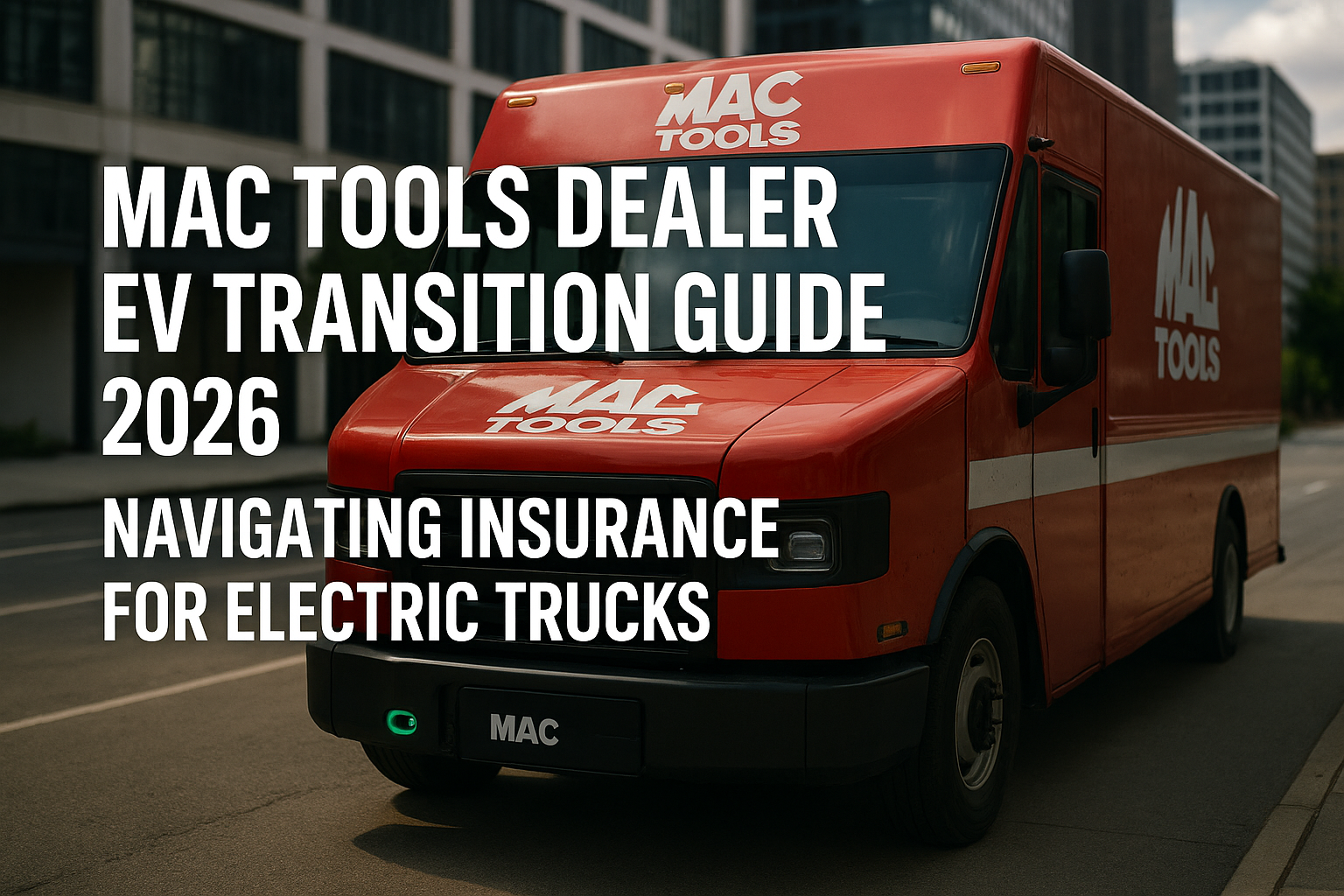
Mac Tools Dealer EV Insurance Guide 2026

Uncategorized

Mac Tools Dealer EV Transition Guide 2026: Navigating Insurance for Electric Trucks

The automotive world is shifting gears—literally—toward electric vehicles (EVs), and Mac Tools dealers are in the driver’s seat. As traditional gas-powered service trucks used for mobile tool delivery and repairs start making way for electric models around 2026, it’s essential to understand how this impacts your insurance. This shift introduces new risks such as battery fires, specialized repair requirements, and operational changes that demand customized coverage.

Whether you’re an experienced Mac Tools dealer or considering an EV upgrade for your route fleet, this guide covers the insurance essentials to ensure your transition is smooth and secure. Ready to take the next step? Get a tailored quote to protect your electric Mac Tools trucks moving forward.

Electric Mac Tools Truck charging at warehouse dock with workers

Why Switch to Electric Mac Tools Trucks in 2026?

The shift toward electric trucks among Mac Tools dealers isn’t just a trend—it’s driven by several compelling factors:

  • Environmental regulations: Stricter emissions standards are encouraging fleets to adopt zero-emission vehicles.
  • Lower operating costs: EVs generally have fewer moving parts, lower maintenance expenses, and no fuel costs.
  • Brand reputation: Going electric demonstrates a commitment to sustainability that resonates with eco-conscious customers.
  • Incentives and rebates: Federal and state programs often provide financial benefits for transitioning to electric fleets.

Of course, these advantages come with their own insurance considerations. Mac Tools dealers must address these to keep coverage comprehensive and operations secure.

Electric charging station at warehouse with Mac Tools trucks

New Insurance Risks Associated with Electric Mac Tools Trucks

Electric vehicles introduce hazards that traditional insurance policies on gas trucks might not fully cover. Here’s a quick overview of the key new risks:

1. Battery Fire and Thermal Runaway

The lithium-ion batteries powering EVs can be hazardous if thermal runaway occurs—a chain reaction causing intense heat and fires that are notoriously difficult to extinguish. The NFPA highlights that EV fires require specialized firefighting skills and equipment.

Your insurance policies should explicitly cover damages from battery fires to avoid costly surprises.

2. Specialized Repair and Replacement Costs

EV components—such as high-voltage battery packs and advanced electronic systems—are costly and need certified technicians. Insurance claims must reflect these higher repair expenses after accidents.

3. Charging Equipment Liability

Installing charging stations introduces new liabilities, including electrical faults and property damage. Ensure your insurance covers risks related to your charging infrastructure.

4. Reduced Residual Values and Depreciation

The used EV market is still developing. Concerns about battery life and technological upgrades can affect resale values, so your insurance valuations and total loss calculations should consider these factors.

Charging station liability and insurance considerations for EV trucks

Key Considerations When Insuring Electric Mac Tools Trucks

Switching your Mac Tools dealership truck fleet to electric means updating your insurance approach to cover these essentials:

Coverage Add-Ons and Endorsements

Standard commercial auto policies may omit EV-specific risks. Consider endorsements for:

  • Battery and electrical system protection
  • Liability related to charging stations
  • Environmental liability, addressing battery chemical leaks or disposal issues

Work with Specialists Familiar with EVs

Choose insurance providers knowledgeable in electric commercial vehicles. Their expertise helps prevent coverage gaps and ensures your risks are properly insured.

Fleet Safety Programs and Training

Introduce preventative steps: EV-specific driver training, emergency plans for battery fires, and more. Many insurers offer premium discounts when you demonstrate a commitment to risk reduction.

Inventory and Equipment Coverage

Since Mac Tools dealers transport valuable tools and equipment, confirm that your commercial property and cargo policies address the unique storage and design considerations of electric trucks.

EV insurance coverage considerations for Mac Tools dealers

Steps to Prepare Your Mac Tools Dealership for the EV Transition

  1. Audit Your Current Insurance Portfolio: Identify any gaps related to EV technologies and battery hazards.
  2. Consult EV Insurance Experts: Seek advice from insurers specializing in electric commercial fleets.
  3. Upgrade Your Fleet Gradually: Transition step-by-step to allow time for insurance adjustments and operational changes.
  4. Install Qualified Charging Infrastructure: Use licensed electricians and ensure stations comply with local codes and insurance requirements.
  5. Train Your Staff: Educate your team on EV safety, emergency response, and proper charging practices to reduce risks.
  6. Review Liability and Environmental Coverage: Add endorsements to protect against new EV-related liabilities.

With thoughtful preparation and the right insurance support, your dealership can avoid costly setbacks while modernizing your fleet.

Modern EV Mac Tools trucks charging with trained staff

Additional Routeway 360 Services to Support Your EV Transition

Routeway 360 does more than insure your electric Mac Tools trucks. We provide services to keep your entire mobile tool dealership running efficiently, including:

Frequently Asked Questions

Will insurance premiums increase when switching to electric Mac Tools trucks?

Initially, premiums for EV commercial vehicles may be higher due to costly repairs and risks like battery fires. However, with strong safety protocols, premiums often stabilize or even decrease. Additionally, specialist insurers may offer competitive rates for well-managed EV fleets.

Does my current policy cover battery fires and charging station liability?

Most standard commercial auto policies don’t automatically cover battery fire damages or charging station liability. It’s important to consult your insurer and request tailored endorsements or add-ons for these EV-specific risks.

Are there state or federal incentives for switching to electric Mac Tools service trucks?

Yes. Tax credits, grants, and rebates are available at both state and federal levels to support electric commercial vehicles and charging infrastructure, helping offset upfront expenses.

How can I minimize the risk of battery fires in my EV fleet?

Maintain batteries with regular health checks and proper upkeep. Train drivers on EV safety, have emergency plans for battery fires, and consider installing fire suppression systems. Quick access to qualified emergency responders is also beneficial.

Can Routeway 360 help with both insurance and business compliance during the EV transition?

Absolutely. Routeway 360 offers integrated services—from insurance to incorporation and compliance filings—to help Mac Tools dealers switch to electric fleets confidently and with regulatory peace of mind. Explore our full range of services to see how we can support you.

Conclusion

The 2026 transition to electric Mac Tools trucks presents exciting opportunities alongside new insurance challenges. Addressing risks like battery fires and specialized repairs proactively is vital to safeguarding your dealership’s assets and maintaining smooth operations. Update your policies, work with experienced providers, and implement safety programs to fully benefit from EV technology.

Ready for a hassle-free transition with insurance solutions tailored to your electric Mac Tools fleet? Get a tailored quote today—Routeway 360 specialists are here to support your evolving business.

Digital Tools for Independent Distributor COI Management 2026

Uncategorized

Digital Tools for Independent Distributor COI Management 2026

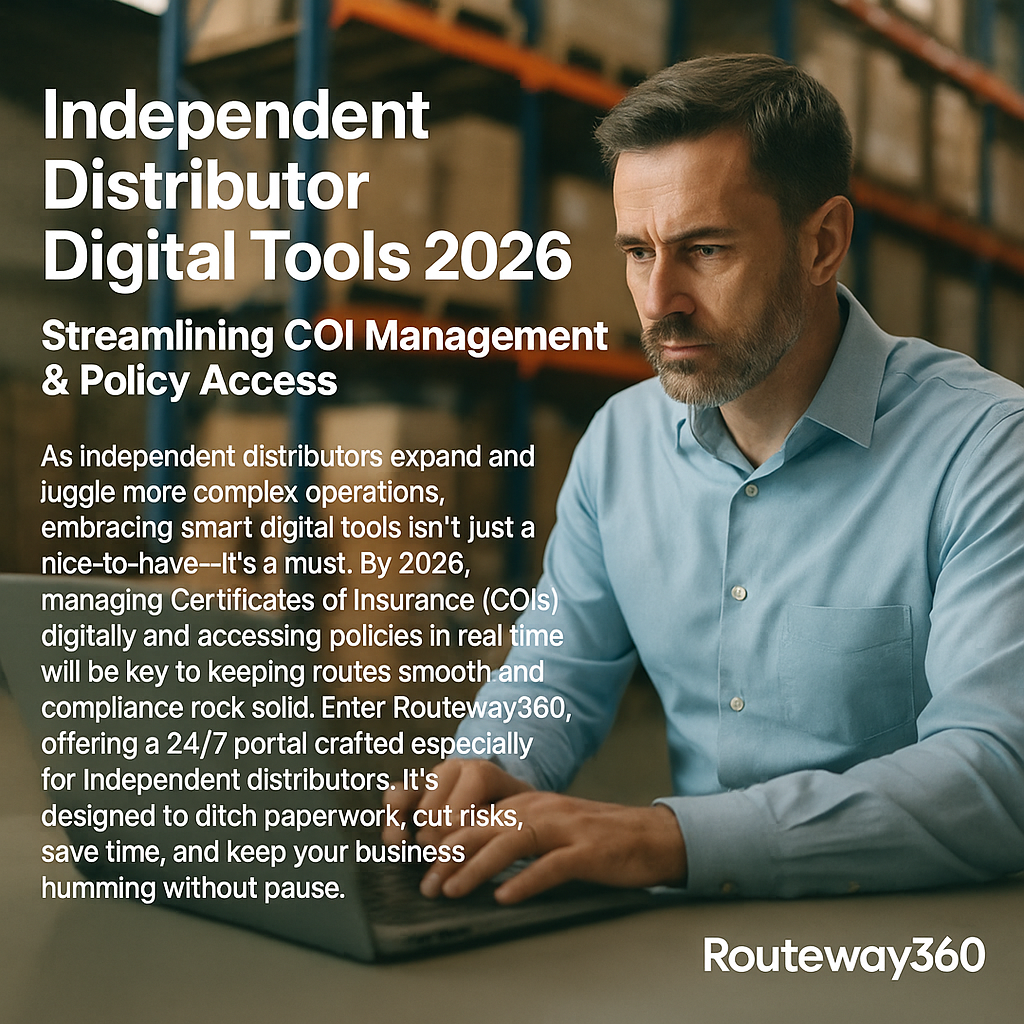
As independent distributors grow and manage increasingly complex operations, adopting smart digital tools isn’t just an option—it’s essential. By 2026, efficiently managing Certificates of Insurance (COIs) online and accessing policies in real time will be crucial to maintaining smooth routes and ensuring solid compliance. Enter Routeway360, a 24/7 portal crafted specifically for independent distributors. It eliminates paperwork, reduces risks, saves time, and keeps your business running seamlessly.

Get a tailored quote and learn how your distribution business can thrive with effortless digital insurance management.

Modern white box truck branded with TransRoute Logistics at warehouse dock, workers scanning packages with digital tablet showing insurance data

Why Digital COI Management Matters for Independent Distributors

If you’re an independent distributor in food, beverage, wholesale, or mobile services, verifying insurance is part of your daily routine. With multiple clients, vendors, and subcontractors on your route, staying on top of Certificates of Insurance (COIs) is vital to fulfill contract and legal requirements.

Traditionally, COI management involves handling paper, calling insurers, and manual checks. Any oversight or outdated document can lead to denied claims or legal complications threatening your routes and revenue. That’s where digital tools shine, boosting efficiency without the hassle.

  • Instant Access: Retrieve insurance policies and COIs anytime—no waiting for office hours or hunting through papers.
  • Automated Compliance Alerts: Receive notifications when COIs expire or don’t meet your standards, avoiding unpleasant surprises.
  • Centralized Dashboard: Securely manage all your vendors’ and clients’ insurance documents in one place.
  • Reduced Risk: Identify and close coverage gaps early, minimizing legal and financial risks.

A recent Insurance Journal report reveals that digital insurance platforms can cut administrative workloads by up to 40% for route-driven independents—freeing up time to expand your business and delight customers.

Digital insurance dashboard with certificates of insurance displayed on multiple devices

Routeway360’s 24/7 Portal: What Independent Distributors Can Expect by 2026

Routeway360 recognizes the challenges of managing multi-stop routes and diverse contracts. Its 24/7 portal offers powerful features designed for independent distributors to operate effortlessly—with zero insurance interruptions.

On-Demand Digital COI Verification

Verify COIs instantly from clients and subcontractors on a secure, cloud-based platform. Real-time checks prevent last-minute delays caused by insurance issues. The portal supports multiple policies, accommodating the variety common in distribution.

Automated Notifications for Policy Renewals and Gaps

Stay ahead with automated alerts that notify you before COIs expire. This proactive system enables timely renewals or replacements—minimizing downtime and ensuring your routes remain fully protected.

User-Friendly Mobile Access

On the road? No worries. Routeway360’s portal is optimized for smartphones and tablets, allowing you to check or update insurance data anytime, anywhere. This flexibility is essential for independent distributors staying agile in 2026 and beyond.

Secure Document Storage & Sharing

Balancing security and convenience is challenging—but Routeway360 excels. Industry-leading encryption and compliance protect your data, while instant sharing lets you distribute COIs quickly without sifting through paper or unsecured emails.

Want to learn more? Explore wholesale & distributor insurance options that perfectly complement digital management.

Mobile phone showing Routeway360 insurance portal interface with COI management features

Benefits of Adopting Digital Insurance Tools for Independent Routes

Switching to digital COI management and insurance portals delivers key advantages:

  1. Improved Route Efficiency: Instant access eliminates insurance verification delays—keeping routes moving faster.
  2. Lower Administrative Costs: Automation reduces paperwork and manual tracking, freeing valuable resources.
  3. Enhanced Compliance: Automated checks minimize legal risks and build client trust.
  4. Scalability: As routes and client bases grow, digital platforms handle complexity effortlessly.
  5. Disaster Recovery: Cloud storage keeps insurance documents safe and accessible, no matter what.

Preparing Your Business for the Future of Insurance Management

To thrive in the 2026 distribution landscape, start preparing your business for digital insurance management:

  • Assess Current Processes: Identify slowdowns caused by manual COI tracking.
  • Pick a Platform with 24/7 Access & Mobile Support: Flexibility is crucial for around-the-clock, on-the-go teams.
  • Train Your Team: Ensure route managers and admin staff master digital workflows and their benefits.
  • Coordinate With Insurers: Work with insurance partners to connect policies directly to digital platforms for instant updates.
  • Secure Data Protocols: Confirm your platforms meet top security and compliance standards to protect your business.

Ready to modernize? Routeway360 delivers an all-in-one solution combining insurance management, digital COI handling, and seamless policy access designed for independent distributors.

FAQs about Independent Distributor Digital Tools in 2026

How does digital COI management improve route operations?

It provides immediate access to verified insurance documents, slashing delays caused by paperwork. Automation keeps compliance tracking streamlined so everyone stays covered without tedious manual follow-ups.

Is the Routeway360 portal secure for sensitive insurance data?

Absolutely. Routeway360 employs advanced encryption and complies with strict industry security standards to safeguard all uploaded and shared insurance documents.

Can the portal handle different types of insurance policies?

Yes! It supports various insurance policies common in distribution—liability, vehicle, workers’ compensation, and more. Flexibility is integral.

Will I need special training to use these digital tools?

Designed for ease, Routeway360 also provides onboarding and support to ensure your team feels confident and ready.

Looking Ahead: Embrace Digital Transformation for Independent Distribution Success

Digital transformation in COI management and insurance access is more than a trend—it’s vital for independent distributors aiming to grow, minimize risks, and streamline operations by 2026. Routeway360’s 24/7 portal delivers instant access to critical insurance documents anytime, anywhere, keeping your routes efficient and compliant in a fast-changing market.

Joining today positions your distribution business at the forefront of innovation. Curious about the future? Get a tailored quote from Routeway360 experts and begin your digital transformation now.

Utz Combo Route Merchandising Liability in 2026

Uncategorized

Utz Combo Route Merchandising Liability 2026: What Operators Need to Know

The snack and convenience industry keeps evolving, and so do the challenges for Utz combo route operators. Heading into 2026, one key concern is managing liability linked to merchandising and in-store demos. These activities boost sales but can expose operators to risks that may impact both their finances and reputation.

This guide breaks down what merchandising liability means for Utz combo route operators in 2026, how risk factors are changing, and why having a reliable general liability policy—such as those offered by Routeway 360—is crucial to protect your business. Ready to secure coverage? Get a tailored quote for your route today.

TransRoute Logistics branded white box truck with workers setting up a merchandising display outside a grocery store during golden hour

What Is Merchandising and In-Store Demo Liability?

Merchandising liability refers to the legal responsibilities you face when merchandising efforts cause harm or damage. For Utz combo operators, this includes everything from stocking shelves, setting up point-of-sale displays, handling products, to conducting those inviting taste-test demos inside stores.

While in-store demos are effective at attracting customers, they do increase risk. Consider allergic reactions, slip-and-fall accidents around demo areas, or accidental damage during setup. Merchandising liability insurance helps cover these potential incidents.

Common Merchandising Risks for Combo Operators

  • Customer injuries: Slips, trips, or falls around demo tables or displays.
  • Product contamination: Allergic reactions from demo samples or improper product handling.
  • Property damage: Damage to store fixtures or equipment occurring during stocking or setup.
  • Theft or loss: Inventory disappearing during merchandising activities—no magic here, just costly setbacks.

Recognizing these risks early enables Utz combo operators to avoid expensive lawsuits and liability complications.

Why Liability Coverage Is Essential for 2026 Utz Combo Route Operators

As merchandising and in-store demos become retail essentials, insurance providers are increasingly focused on the nuances of liability coverage. Routeway 360 understands that combo route operators need protection not only while on the road but also against merchandising-specific risks.

General liability insurance forms the cornerstone of any savvy Utz combo route operator’s risk management. Common coverage includes:

  • Protection against bodily injury claims
  • Coverage for property damage
  • Legal defense costs if you face lawsuits
  • Defense from advertising injury or personal injury claims

Even better, Routeway 360’s policies now explicitly cover merchandising and in-store demo liability tailored for combo route business risks—especially those in snack distribution and promotion often overlooked.

Interested in broader protection? Explore how wholesale & distributor insurance can secure businesses like yours.

Key Liability Considerations for Merchandising in 2026

As you plan merchandising and demos, keep these liability priorities in mind:

1. Training and Safety Protocols

Effective training is your best defense. Instruct your team to:

  • Lift and stock products safely—don’t rush or overexert
  • Handle demo samples with care to prevent contamination
  • Clean up promptly to avoid slips and spills

2. Written Agreements with Retailers

Clear contracts or memorandums of understanding define responsibility and liability distribution. This clarity prevents disputes and finger-pointing.

3. Use of Approved Products and Equipment

Always rely on approved Utz products and authorized demo equipment to minimize safety risks and regulatory headaches.

4. Documentation and Incident Reporting

Maintain thorough records of your merchandising activities and any incidents. This documentation simplifies insurance claims and defends against unfounded lawsuits.

Want to learn more about safeguarding route professionals? Discover tool dealer coverage that protects equipment and demo products.

How Routeway 360 Supports Utz Combo Route Operators in 2026

Routeway 360 offers general liability policies customized for the snack combo route niche, including Utz operators. That means insurance coverage designed to suit your specific risks—not generic plans that leave gaps.

  • User-friendly quotes and coverage crafted for combo route operators
  • Policy extensions covering slips, falls, and merchandising errors
  • Expert claims support grounded in industry experience
  • Additional options like product liability and equipment insurance for comprehensive protection

The merchandising landscape shifts rapidly; partnering with an insurer who understands your unique route risks is a smart strategy.

For complementary coverage, learn how mobile service business insurance can enhance your route protections.

FAQ: Merchandising Liability for Utz Combo Routes

Q1: Does general liability insurance cover in-store demo accidents?

Generally, yes—most policies cover injuries or property damage occurring during demos. However, it’s important to confirm that your policy includes merchandising liability.

Q2: Can I be liable if a customer has an allergic reaction to a demo sample?

Potentially, yes. Product liability and merchandising coverage help shield you, but proper labeling and clear disclosures are essential to reduce risk.

Q3: How often should merchandising liability coverage be reviewed?

Review your policy at least once a year or whenever your merchandising or demo practices change significantly. Insurance should evolve alongside your risks.

Q4: Are third-party vendors also liable during demos?

Liability can be shared based on contracts and vendor behavior. Still, operators should maintain their own coverage to ensure no gaps exist.

Conclusion: Protect Your Utz Combo Route with Merchandising Liability Coverage

As Utz combo operators ramp up merchandising and in-store demos in 2026, establishing a solid liability plan is essential for smooth operations. Merchandising liability insurance, included in your general liability package, acts as a safeguard against accidents, injuries, or damage related to demos and product merchandising.

Routeway 360 provides tailored insurance solutions to keep combo route operators protected and compliant as retail demands change. Whether you’re starting out or updating your coverage, now’s the perfect time to secure the right protection.

Get a tailored quote today and ensure peace of mind for your Utz combo route merchandising in 2026—and beyond.

Bimbo Bakeries Workers’ Comp Alternatives 2026

Uncategorized

Bimbo Bakeries Workers’ Comp Alternatives 2026: Cost Control and Compliance for Independents

The landscape for independent Bimbo Bakeries route operators is evolving as we approach 2026, bringing new opportunities and challenges in workers’ compensation coverage. Choosing the right workers’ comp alternatives goes beyond simply meeting legal requirements—it’s about managing rising insurance expenses while keeping your business running smoothly. For independents and route owners alike, understanding your options is essential to protect both your bottom line and peace of mind.

Get a tailored quote and explore workers’ comp solutions designed specifically for your unique operation.

CargoLink Freight box truck with workers scanning packages at warehouse dock at dawn

Why Workers’ Comp Alternatives Matter to Bimbo Bakeries Independents

Workers’ comp insurance acts as a crucial safety net for route operators—covering medical expenses and wage replacement if an injury occurs on the job. For independent drivers delivering Bimbo Bakeries products, the right coverage is not only a legal necessity but also the foundation for a reliable business. Yet traditional workers’ comp insurance can sometimes feel costly and inflexible. Exploring alternatives allows you to customize coverage to your daily work demands and potentially reduce premiums.

Delivery work involves active tasks like driving, lifting, and repetitive motions that elevate your risk profile—factors insurers weigh heavily when setting rates. Skimping on coverage can not only be risky but also lead to costly fines or legal problems. Smart independents prioritize workers’ comp options that balance affordability and full compliance.

Interested in learning more? Discover the key points of mobile service business insurance tailored for independent operators.

CargoLink Freight box truck with workers scanning packages at warehouse dock at dawn

Traditional Workers’ Comp Insurance vs. Alternatives

Overview of Traditional Workers’ Compensation Insurance

  • Standard Coverage: Covers medical expenses, lost wages, rehabilitation costs, and death benefits linked to workplace injuries.
  • State-Mandated: Most states require coverage if you have employees, though specific rules vary.
  • Premiums Based on Risk: Rates depend on payroll size, job classifications, and your claims history.

Common Alternatives and Cost-Saving Strategies

While traditional workers’ comp insurance remains foundational, savvy independents can explore alternatives that offer cost savings and greater flexibility. These include:

  • Self-Insurance Programs: Larger route operators sometimes self-fund claims, reducing premiums—but this demands substantial financial reserves and strict adherence to regulations.
  • Captive Insurance: Joining captive groups pools risk among similar businesses, enabling better rates and greater policy control.
  • Group or Association Plans: Collaborating through trade associations or cooperatives helps independents secure bulk-discounted workers’ comp coverage.
  • High Deductible Policies: Choosing higher deductibles lowers premiums by shifting initial claim costs to your business.
  • Safety Program Discounts: Investing in employee training and strong claims management reduces incidents and earns premium discounts.

At Routeway360, we excel at guiding Bimbo independents through these cost-effective options while ensuring compliance remains a top priority. Employing smart tactics like these can help you manage premiums effectively as 2026 approaches.

CargoLink Freight box truck with workers scanning packages at warehouse dock at dawn

Regulatory Landscape for Workers’ Compensation in 2026

Workers’ comp regulations continually evolve, often expanding worker protections. By 2026, many states are expected to update filing and compliance requirements, reflecting the growing gig economy and nuances of independent contractor classifications.

For Bimbo route independents, staying ahead means fully understanding state mandates and securing insurance that meets all legal standards—helping you avoid penalties and operational disruptions.

  • State-Specific Filings: Certain states will demand BOI (Beneficial Ownership Information) filings to enhance transparency—ensure your filings are up to date.
  • Updated Classification Codes: Delivery driver and warehouse staff insurance codes are regularly revised to better match actual job risks, influencing your premiums.
  • Post-Pandemic Changes: COVID-19 prompted some states to expand workers’ comp to cover illness claims—a factor worth considering in your coverage decisions.

Want to learn more about BOI filing requirements? It’s a helpful starting point for making sure your 2026 compliance is solid.

CargoLink Freight box truck with workers scanning packages at warehouse dock at dawn

How Routeway360 Supports Bimbo Bakeries Independents with Compliant Workers’ Comp Alternatives

Routeway360 offers expert knowledge and digital tools to craft workers’ comp policies tailored to Bimbo independents’ specific needs. We partner with carriers who understand the unique risks of route delivery businesses—cutting through complex jargon to deliver customized, cost-effective solutions.

  • Customized Quotes and Policies: Options scaled to your route size, risk profile, and budget.
  • Cost Control Techniques: Services like safety consulting, claims management, and premium audits help reduce your risk-related costs.
  • Compliance Monitoring: Our team stays current on state law changes to keep your insurance compliant and up to date.
  • Multi-Policy Packages: Bundle workers’ comp with commercial auto, liability, and tool dealer insurance to save money and simplify management.

Explore our full insurance offerings designed for independent route operators.

CargoLink Freight box truck with workers scanning packages at warehouse dock at dawn

Practical Recommendations for Bimbo Bakeries Business Owners in 2026

  1. Review Your Current Workers’ Comp Coverage: Assess your existing policy terms, costs, and claims to identify areas for improvement.
  2. Consider Joining Group Plans: Group and association workers’ comp plans offer independents savings through collective purchasing power.
  3. Implement Rigorous Safety Programs: Fewer injuries lead to lower premiums and better insurer relationships.
  4. Work with Specialists: Collaborate with insurance professionals experienced in the route delivery sector to navigate compliance and uncover savings.
  5. Stay Informed on State Regulations: Monitor workers’ comp law changes relevant to your business to avoid compliance issues.

Also, see how tool dealer coverage can complement your workers’ comp as your business grows.

CargoLink Freight box truck with workers scanning packages at warehouse dock at dawn

FAQs About Workers’ Comp Alternatives for Bimbo Bakeries Independents

Q: Are independents delivering Bimbo Bakeries products required to carry workers’ compensation insurance?

A: In many states, workers’ comp is required if you have employees. Independent contractors are typically exempt, but it’s wise to verify your state’s specific laws and definitions.

Q: Can self-insurance be a viable option for a small Bimbo Bakery route business?

A: Self-insurance usually requires significant financial resources and state approval. For smaller operators, joining group plans or traditional insurance is often more practical.

Q: How does Routeway360 help reduce workers’ comp premiums?

A: We customize policies, provide risk management advice, and connect you to group and captive insurance programs that spread risk and lower premiums.

Q: What safety measures help reduce workers’ comp claims in delivery businesses?

A: Proper driver training, ergonomic lifting techniques, clear accident reporting, and regular equipment maintenance are effective strategies.

Q: Is bundling workers’ comp with other insurance policies beneficial?

A: Absolutely. Bundling reduces total premiums and simplifies policy management, helping you stay compliant and protected.

CargoLink Freight box truck with workers scanning packages at warehouse dock at dawn

Conclusion: Prepare Smartly for 2026 with Compliant Workers’ Comp Alternatives

As 2026 approaches, Bimbo Bakeries independents face a landscape where managing workers’ comp costs and staying compliant are more important than ever. Exploring options like group plans, safety initiatives, and partnering with experts such as Routeway360 will help safeguard your profitability—and your peace of mind.

Don’t wait for renewal season or a claim to prompt change. Start optimizing your workers’ compensation coverage today and move into 2026 with confidence.

Get a tailored quote and consult with a specialist who understands your Bimbo Bakeries independent route business.

Tool Truck Battery Theft & Vandalism Risks in 2026

Uncategorized

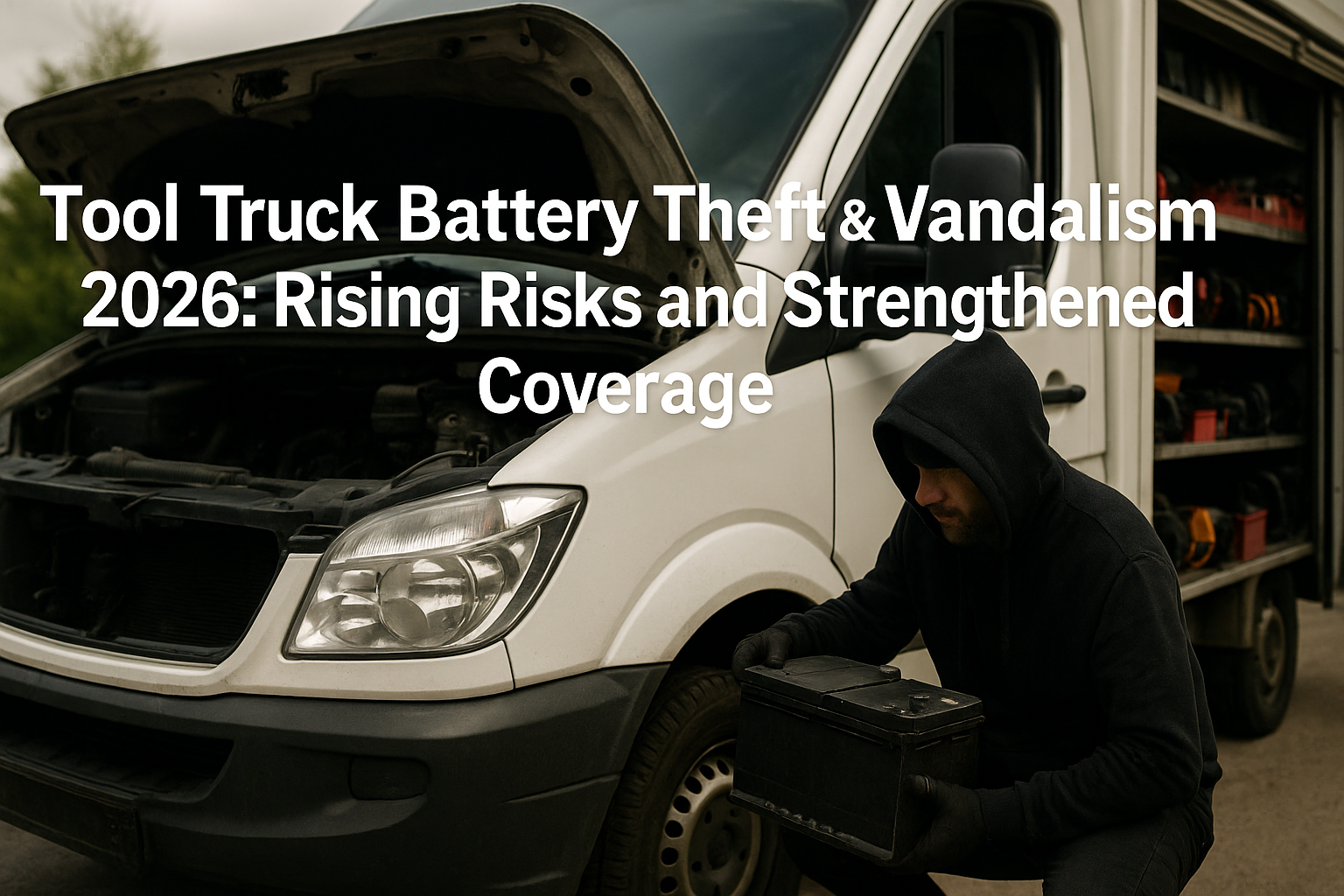
Tool Truck Battery Theft & Vandalism Risks in 2026

Tool trucks are the lifeline for many mobile service pros, delivering essential tools and supplies right at the job site. However, a growing threat is making waves: battery theft and vandalism. As 2026 progresses, these incidents are increasing, putting mobile service businesses under greater threat.

Understanding these risks and securing comprehensive insurance coverage isn’t just smart—it’s critical. Ready to protect your business? Get a tailored quote today to guard against these rising dangers.

Tool truck at dusk with workers inspecting battery compartment

Why Are Tool Truck Batteries Targeted in 2026?

What makes tool truck batteries such attractive targets this year? Here’s the lowdown:

  • High Resale Value: Lithium-ion and lead-acid batteries contain valuable metals like lithium, cobalt, and lead—highly sought after on black markets and fetching good prices.
  • Growth in Mobile Service Fleets: The expanding number of mobile businesses means more tool trucks on the road—unfortunately, more targets for theft and vandalism.
  • Increased Urban Crime: Certain urban areas experience a rise in property crime, with criminals targeting vehicles parked overnight or in isolated locations.
  • Ease of Theft: Batteries on tool trucks are often accessible, allowing quick removal without triggering alarms if security isn’t robust.

Industry statistics show battery theft from commercial service vehicles has surged by over 30% year-over-year (Crime Stoppers UK). Bottom line? Without strong safeguards, tool truck operators face increased vulnerability.

The Impact of Battery Theft and Vandalism on Tool Truck Operators

Stolen batteries don’t just delay your projects—they directly impact your bottom line:

  • Downtime and Delays: Theft halts operations, disrupting service schedules and potentially damaging customer relationships.
  • Replacement Costs: These batteries and installation expenses can reach thousands of dollars. Repeat thefts? A serious financial strain.
  • Vandalism Risks: Vandals can damage battery compartments and equipment, increasing repair costs.
  • Higher Insurance Premiums: Multiple claims or insufficient coverage may lead to increased premiums, cutting into profits.

Clearly, combining prevention strategies with comprehensive insurance is essential to minimize financial impact from theft and vandalism.

Workers securing tool truck battery compartments

Strengthening Protection: Routeway360’s Comprehensive Coverage Solutions in 2026

Recognizing these emerging threats, Routeway360 has enhanced its tool dealer insurance plans. Here’s what’s new in 2026:

  • Expanded Theft Protection: Coverage now explicitly includes lithium-ion and lead-acid batteries, protecting tool trucks against theft comprehensively.
  • Vandalism Coverage: Repair and replacement costs for malicious damage to battery compartments and related equipment are covered.
  • Quick Claims Processing: Efficient claim handling means your vehicles spend less time sidelined.
  • Customizable Deductibles and Limits: Flexible options tailored to your fleet’s size and risk tolerance balance protection with budget considerations.

Routeway360’s dedicated tool dealer insurance coverage provides a robust safety net for mobile service operators confronting rising theft and vandalism threats.

Additional Preventive Measures Tool Truck Operators Should Implement

Insurance is vital, but combining it with physical and procedural safeguards significantly boosts your defense:

  • High-Security Battery Locks: Install tamper-resistant locks on battery compartments—thieves dislike a challenge.
  • Surveillance Cameras and Alarms: Use visible and concealed security devices to deter theft and capture evidence.
  • Park Strategically: Whenever possible, park in well-lit, secure areas or near busy businesses.
  • Community Awareness: Join local business watch groups or collaborate with law enforcement to stay informed on crime trends.

Pair these tactics with comprehensive insurance to maximize your tool truck’s security in 2026.

High-visibility workers securing tool truck battery

Why Comprehensive Coverage is Essential in Today’s Market

Mobile service businesses face unique risks often overlooked by standard commercial auto insurance. Many policies exclude specialized equipment like batteries or do not cover vandalism, leaving critical gaps.

Routeway360 bridges those gaps with tailored insurance solutions that address:

  • Protection against evolving and sophisticated theft techniques
  • Coverage for costly, specialized components such as tool truck batteries
  • Customized flexibility to meet the growth and specific needs of mobile service companies

For a comprehensive look at the best options, explore mobile service business insurance designed to secure tool truck operations.

Frequently Asked Questions About Tool Truck Battery Theft & Vandalism

What makes tool truck batteries such a common theft target?

The combination of valuable metals and often unsecured placement makes tool truck batteries an easy and attractive target for thieves.

How can I check if my current insurance covers battery theft and vandalism?

Review your policy details or speak with your insurance agent—many basic plans exclude these coverages and require additional endorsements.

Are there any emerging technologies to prevent battery theft?

Yes! Technologies like GPS tracking embedded in batteries, biometric locks, and real-time surveillance systems are becoming popular tools to deter theft.

How expensive is it to replace a stolen tool truck battery?

Costs vary, but replacing a lithium-ion battery typically ranges from $1,000 to $3,000 or more, plus installation and downtime expenses.

Can vandalism claims impact my insurance premiums?

Yes, frequent vandalism claims can increase your premiums unless you combine smart risk management with strong insurance coverage.

Conclusion: Protecting Your Tool Truck Assets in 2026 and Beyond

The rise in tool truck battery theft and vandalism in 2026 poses serious challenges for mobile service businesses. Yet with smart preventive steps and comprehensive insurance, you can keep your operations running smoothly.

Routeway360 is committed to supporting you with tailored tool dealer coverage designed to confront these challenges head-on. Don’t wait until problems arise—Get a tailored quote now to secure the future of your mobile business.

Efficient Multi-Brand Bakery Insurance Solutions 2026

Uncategorized

Efficient Multi-Brand Bakery Insurance Solutions 2026

As regional bakery businesses grow and manage multiple brands, navigating insurance can feel like frosting dozens of cupcakes simultaneously—complicated and a bit messy. With 2026 approaching, bakery owners juggling various brands need streamlined insurance strategies that eliminate duplication and coverage gaps. That’s where Routeway360 shines: experts in simplifying multi-brand bakery insurance so you can focus on perfecting your baked goods.

Get a tailored quote and discover how Routeway360 can simplify your bakery’s multi-brand insurance needs.

Bakery delivery truck with workers efficiently loading bakery products during morning

Understanding the Rise of Multi-Brand Regional Bakeries

Multi-brand strategies have become essential for regional bakeries seeking to attract diverse customer segments and broaden their reach. Rather than focusing on a single brand, bakery operators nurture or acquire several brands, each offering unique specialties, target markets, and customer bases. This approach enhances marketing opportunities and spreads risk but adds complexity to daily operations.

In areas rich with culinary traditions, bakeries often operate distinct brands specializing in artisan breads, pastries, gluten-free options, or ethnic treats. Sharing spaces such as kitchens, delivery routes, and staff means insurance coverage must be equally tailored—addressing each brand’s specific risk profile while acknowledging their interconnected operations.

For further insights on managing bakery business risks, explore our food and beverage insurance plans crafted for diverse culinary businesses.

Artisan bakery showcasing multiple product lines in a cozy shop

Challenges of Insuring Multiple Bakery Brands

Handling insurance for several bakery brands simultaneously can quickly become overwhelming without the right approach. Major challenges include:

  • Overlapping Risks: Shared customers, locations, or equipment increase exposure to claims like property damage, liability issues, and product recalls.
  • Varied Coverage Requirements: For example, a gluten-free line needs protection against ingredient contamination, while an artisan bread brand prioritizes commercial property insurance. Combining such different needs into one policy is tricky.
  • Higher Costs: Purchasing separate policies for each brand often inflates premiums and complicates administration.
  • Coverage Gaps or Duplication: Without careful alignment, policies might leave you vulnerable to uncovered risks or cause you to pay twice for the same exposure.

Traditional insurance approaches frequently struggle with these issues. Routeway360 addresses them by providing consolidated, customized solutions tailored specifically for multi-brand bakeries.

Insurance consultation between bakery owner and agent highlighting multi-brand policies

Routeway360’s Seamless Multi-Brand Bakery Insurance Solutions for 2026

Think of Routeway360 as your bakery’s insurance sous-chef—combining expertise and technology to deliver coverage perfectly suited to your businesses. Here’s the multi-brand insurance recipe they offer:

1. Customized Multi-Entity Policies

Routeway360 crafts policies bundling multiple bakery brands into a single comprehensive package. Each brand’s distinct risks receive appropriate coverage—with no overlapping or wasted premiums. The benefits: reduced costs and simplified paperwork.

2. Consolidated Risk Assessment

Underwriters perform a thorough review across all your brands, identifying shared exposures and unique hazards. This holistic assessment ensures your coverage fits precisely, without penalizing brands sharing resources or spaces.

3. Flexible Endorsements and Add-Ons

From product liability for specialty items to commercial auto coverage for joint delivery vehicles, Routeway360 provides adaptable policy enhancements that evolve alongside your bakery’s growth.

4. Centralized Account Management

Say goodbye to managing multiple insurance contacts. A single dedicated account manager oversees claims, renewals, and policy adjustments across all brands. Real-time dashboards offer a clear view of your entire insurance portfolio.

Dashboard showing consolidated insurance portfolio for multiple bakery brands

Benefits of Efficient Multi-Brand Insurance Coverage

Consolidating your bakery brands’ insurance yields more than just simplicity:

  • Cost Savings: Bundled coverage and minimized overlap reduce your overall insurance expenses.
  • Risk Mitigation: Comprehensive protection ensures no risk is overlooked, lowering chances of unexpected losses.
  • Time Efficiency: Streamlined management frees you to focus on growing your business rather than paperwork.
  • Growth Enablement: Flexible, scalable policies adjust as you launch new brands or pivot strategies—no endless renegotiations needed.

To further strengthen your strategy, consider integrating incorporation services aligning your legal structure with your expanding multi-brand goals.

Successful bakery team celebrating growth thanks to streamlined insurance solutions

Case Study: Regional Bakery Group Streamlining Insurance in 2026

Imagine a regional bakery group managing three brands: traditional bread, gluten-free pastries, and seasonal desserts. Before partnering with Routeway360, they juggled three separate insurers—resulting in overlapping premiums and complicated claims handling.

Routeway360 conducted a comprehensive risk review and consolidated their coverage into a single policy. Customized endorsements covered unique product liabilities and shared delivery vehicles. The results?

  • A 25% reduction in total insurance premiums
  • Simplified claims handled by one dedicated contact
  • Tailored coverage perfectly matching each brand’s needs

The outcome: doubled insurance efficiency and greater peace of mind across their bakery portfolio.

Bakery business owner reviewing insurance policy documents with agent

Preparing Your Regional Bakery Multi-Brand Insurance Plan in 2026

Ready to build a robust insurance plan for your multi-brand bakery? Follow these key steps:

  1. Inventory Brands and Shared Assets: Document your locations, equipment, teams, and delivery vehicles used by each brand.
  2. Evaluate Unique Brand Risks: Identify product-specific liabilities and regulatory requirements for every brand.
  3. Partner with an Experienced Broker: Work with experts like Routeway360 specialized in multi-brand food and beverage insurance.
  4. Create a Consolidated Policy: Develop a unified plan with smart endorsements covering all risks—without duplication.
  5. Review and Update Regularly: Keep coverage current as your brands evolve, launch new products, or enter new markets.

If you’re growing or restructuring, explore Routeway360’s business banking for small firms to coordinate your financial and insurance strategies seamlessly.

Frequently Asked Questions About Multi-Brand Bakery Insurance

Q: Can I insure multiple bakery brands under a single policy?

A: Definitely. Routeway360 specializes in grouping multi-brand bakery businesses into one comprehensive policy that respects each brand’s unique risks.

Q: How does multi-brand insurance help me save money?

A: By eliminating duplicate coverage, pooling risk efficiently, and streamlining administration, multi-brand policies typically cost less than separate policies for each brand.

Q: What key risks should multi-brand bakeries monitor?

A: Key risks include product liability, property damage, employee injuries, allergen contamination, and transportation-related liabilities.

Q: How often should I review my insurance as my brands grow?

A: It’s best to review annually or whenever you introduce new products or open new locations—keeping your coverage up to date ensures ongoing protection.

Conclusion: Optimize Your Regional Bakery’s Multi-Brand Insurance for 2026 and Beyond

For bakery operators managing multiple brands in 2026, the chance to diversify brings complex risk management challenges. Routeway360’s customized, consolidated insurance solutions cut through that complexity, providing comprehensive coverage without overlap or confusion. Rely on these smart strategies to reduce costs, simplify administration, and most importantly—keep your ovens baking for satisfied customers.

Ready to streamline your bakery’s multi-brand insurance coverage? Start your coverage with Routeway360 today.

Snap-On Dealer Insurance Planning for 2026

Uncategorized

Snap-On Dealer Family Business Planning 2026: Building a Legacy with Long-Term Insurance

Family-owned Snap-On dealerships aren’t just shops—they form the backbone of the tool and equipment distribution industry. With 2026 on the horizon, smart long-term insurance planning isn’t optional; it’s crucial. You want to preserve your family legacy, ensure smooth ownership transitions, and protect your business assets from life’s unexpected turns. That’s where proactive, comprehensive insurance comes into play. Routeway360 designs insurance plans that don’t just safeguard your Snap-On dealership today—they help it flourish for generations ahead.

Get a tailored quote and begin securing the future of your family-owned Snap-On dealership.

SwiftHaul Express branded white box truck at warehouse dock with workers scanning inventory

Why Long-Term Insurance Planning Matters for Snap-On Dealer Families

Running a family business has its unique set of challenges and opportunities—imagine juggling a wrench, a drill, and a coffee all at once. Snap-On dealerships frequently pass through generations, making deliberate planning essential to maintaining stability and growth. Insurance plays a vital role because it provides:

  • Ownership Continuity: Ensuring ownership transitions don’t disrupt the business foundation.
  • Asset Protection: Safeguarding inventory, tools, property, and goodwill from lawsuits, disasters, or surprises.
  • Legacy Preservation: Keeping your dealership a treasured family asset for the future.
  • Financial Security: Covering employee liabilities, business interruptions, and legal claims to provide peace of mind.

According to Google Small Business Insights, about 70% of family businesses don’t survive the transition from founder to the next generation. Often, this is due to inadequate insurance and financial strategies. Starting early can greatly reduce your risk.

Key Insurance Considerations for Snap-On Dealerships in 2026

1. Business Liability Insurance

Operating a tool dealership involves real risks — slips, damage, or product defects aren’t just hypotheticals. Comprehensive liability insurance shields your family’s hard-earned assets from costly lawsuits.

Interested in learning more? Explore our tool dealer insurance options tailored specifically for Snap-On dealerships.

2. Property and Inventory Insurance

Your property and inventory are the heart of your dealership. Property insurance protects against fire, theft, vandalism, and natural disasters. Add endorsements to cover tools and heavy equipment so there are no coverage gaps.

3. Business Interruption and Continuity Coverage

Events like floods, pandemics, or power outages can unexpectedly halt your operations. Business interruption insurance replaces lost income and covers expenses during downtime, ensuring your cash flow and payroll remain steady.

4. Key Person and Succession Planning Insurance

Many family Snap-On dealerships depend heavily on a few key individuals. Key person insurance provides financial support if a leader leaves or passes away, funding smooth leadership transitions or buyouts.

Combining this with incorporation services can optimize ownership structure and deliver tax benefits when transferring control.

5. Employee and Workers’ Compensation Coverage

Your employees are your business’s backbone. Workers’ compensation and health insurance protect your team and reduce liability, helping you retain skilled technicians who keep your dealership running smoothly.

Routeway360 partners with providers like Allstate Health to offer custom employee benefit solutions.

Planning Steps for Snap-On Dealer Families in 2026

Step 1: Conduct a Family Business Risk Assessment

Identify all potential risks—financial, operational, legal, and market-related—that could disrupt your dealership. An experienced insurance advisor can uncover coverage gaps and overlaps to ensure comprehensive protection.

Step 2: Define Succession and Legacy Goals

Bring the family together to clarify your vision. Whether you plan to keep the business in the family, sell, or expand, your insurance strategy should align with these goals.

Step 3: Customize a Comprehensive Insurance Portfolio

Select coverage that fits your dealership’s size, scope, workforce, and risk profile. Bundling policies often lowers costs and simplifies management—because no one wants extra paperwork.

Step 4: Regularly Review and Update Policies

Your business evolves, so should your coverage. Review insurance policies annually or after significant changes to keep your protection up-to-date and cost-efficient.

Step 5: Integrate Insurance with Financial and Tax Planning

Use business tax services to incorporate insurance into your tax strategies, estate planning, and investment decisions—maximizing wealth transfer and preservation.

Real-World Example: The Thompson Family Snap-On Dealership

The Thompson family has owned their Snap-On dealership since 1985. Approaching retirement in 2025, they worked with Routeway360 to develop a multigenerational insurance and continuity plan. Their steps included:

  • Securing key person life insurance to fund buy-sell agreements.
  • Enhancing property coverage with natural disaster protection.
  • Launching employee health insurance to retain their top technicians.
  • Establishing trusts and incorporation to minimize estate taxes and streamline succession.

Thanks to proactive planning, the Thompsons smoothly transferred the dealership to the next generation by early 2026, preserving family harmony and business strength.

How Routeway360 Supports Snap-On Dealer Family Businesses

Routeway360 understands the unique needs of family-run Snap-On dealerships. We combine deep industry expertise with customized insurance solutions that align with your family’s and business’s goals.

  • Personalized guidance focused on legacy preservation.
  • Customized insurance portfolios covering liability, property, and succession needs.
  • Seamless integration with incorporation, tax planning, and employee benefits.
  • Dedicated claims support designed to minimize interruptions.

Secure your family’s tool dealer legacy by partnering with experts who truly understand the stakes.

Start your coverage today to protect your Snap-On dealership’s future with Routeway360.

FAQs About Snap-On Family Dealer Insurance Planning

Q1: When should a Snap-On dealership family start long-term insurance planning?

The best time is typically 3 to 5 years before any expected ownership transition. Early planning ensures smoother handoffs and fully developed coverage.

Q2: Can insurance help fund ownership transfers among family members?

Definitely. Key person and buy-sell insurance policies provide necessary funds to facilitate ownership changes without drawing from operating capital.

Q3: How often should family-owned dealerships review their insurance policies?

At least once annually or after major events like expansions, new hires, or regulatory updates. Regular reviews keep coverage current and cost-effective.

Q4: Are there insurance packages designed specifically for Snap-On tool dealerships?

Yes, specialized insurance covers tool dealer inventory, product liability, and operational risks unique to Snap-On businesses.

Q5: What other services complement insurance planning for Snap-On dealer families?

Services including incorporation services, business tax planning, and employee benefits round out a comprehensive family business strategy.

Save on DSD Bread Route Auto Insurance with GPS in 2026

Uncategorized

Save on DSD Bread Route Auto Insurance with GPS in 2026

Direct Store Delivery (DSD) bread routes are no easy feat—each day means delivery trucks navigating busy streets, multiple stops, and tight deadlines. For route operators, one ongoing major cost is auto insurance for these vehicles. Fortunately, GPS telematics technology is transforming the insurance landscape by enabling carriers to better evaluate risk and reward bread route fleets that monitor their vehicles with significant premium discounts.

In this article, we’ll explore how GPS tracking can help lower your auto insurance premiums on bread delivery trucks in 2026. We’ll discuss potential savings, qualification requirements, and why Routeway360 is your ideal partner to unlock discounts up to 15% for eligible operators. Whether you manage or insure DSD bread routes, understanding these trends can help you save substantially and keep your business running efficiently.

Get a tailored quote

DSD Bread Route Delivery Truck with Drivers and Workers

What Are DSD Bread Routes and Why Are Auto Insurance Premiums High?

DSD bread routes involve bakery companies delivering fresh bread and baked goods directly to grocery stores, convenience stores, and other retailers. Drivers follow fixed daily routes, making numerous stops—often contending with heavy urban or suburban traffic.

These routes require extensive driving, frequent stop-and-go traffic, and tight schedules. As a result, insurance providers view bread delivery trucks as higher risk. More time on the road increases chances of accidents, theft, and vehicle wear-and-tear—all factors that typically raise premiums. Additionally, some DSD fleets operate older trucks or have limited driver training programs, which can further impact risk assessments.

Here’s the good news: technology is shifting the risk landscape. GPS tracking installed in bread delivery trucks gathers real-time data on driving patterns, route selection, and security. Insurers now reward fleets using telematics with discounts by confirming safer driving and stronger risk controls.

Further reading: Learn more about mobile service business insurance and how technology is reshaping coverage options.

GPS Monitoring Technology in Bread Delivery Trucks

How GPS Tracking Helps Lower Auto Insurance Premiums on Bread Routes

Installing GPS devices on bread delivery vehicles sheds light on daily operations. Insurers rely on this telematics data to offer discounts for several key reasons:

  • Safer Driving Monitoring: Tracking harsh braking, rapid acceleration, speeding, and other risky behaviors helps companies coach drivers toward safer habits, reducing accident risk.
  • Route Optimization: GPS data refines routes to cut mileage and driving time, lowering exposure to hazards.
  • Theft Prevention and Recovery: Real-time location tracking deters theft and speeds vehicle recovery—crucial for valuable delivery trucks.
  • Accident Documentation: GPS records provide solid evidence of vehicle location and driver behavior during incidents, streamlining claims and preventing fraud.
  • Compliance and Accountability: Location and usage data support enforcement of company policies and regulatory requirements, demonstrating proactive risk management.

This transparent, data-driven model encourages fleets to adopt GPS tracking. Today, many insurers offer telematics discounts or even require GPS monitoring as part of their commercial auto underwriting for bread delivery routes.

What Kind of Discounts Can Bread Route Operators Expect in 2026?

Thanks to evolving industry trends and Routeway360’s programs, DSD bread route operators who equip and consistently use GPS tracking can qualify for auto insurance premium discounts up to 15%. That represents significant savings—potentially thousands of dollars annually for fleets with multiple trucks.

Discount eligibility typically depends on factors such as:

  • Consistency and reliability of GPS data
  • Documented improvements in driver safety and reduction in incidents
  • Demonstrated use of GPS for theft deterrence and route efficiency
  • Fleet size and overall risk management strategies
  • Specific insurer policies and underwriting standards

Routeway360 partners closely with operators to analyze delivery routes, recommend optimal GPS solutions, and negotiate favorable premium rates with insurers specializing in bread route coverage.

Internal resource: Explore our tool dealer insurance options to understand how telematics benefits similar delivery businesses.

GPS System Benefits for Bread Delivery Fleet Efficiency

Implementing GPS Tracking Systems: Tips for DSD Bread Routes

Simply installing a GPS device isn’t enough to secure premium discounts. A strategic, consistent approach is essential to maximize benefits:

  1. Select the Right GPS Hardware: Choose telematics devices designed for commercial vehicles that reliably monitor speed, braking, idling, and location.
  2. Integrate with Fleet Management Software: Use platforms that convert raw data into actionable insights to identify risky behavior and improve route planning.
  3. Provide Regular Driver Training: Share GPS feedback with drivers to encourage safer habits and address concerns early.
  4. Ensure Device Compliance: Keep GPS units active and transmitting accurate data during deliveries to meet insurer requirements.
  5. Utilize Theft Recovery Features: Employ geofencing and alerts to respond quickly if vehicles travel outside designated delivery zones.

Following these best practices not only helps secure insurance discounts but also enhances operational efficiency and driver responsibility. As a bonus, GPS tracking data can support business banking for small businesses by verifying routes and expenses.

Why Choose Routeway360 for Bread Route Insurance and GPS Premium Savings?

Routeway360 stands out in insurance for delivery and route-based businesses, including DSD bread operators. We understand the unique risks these fleets face and specialize in leveraging technology-driven discounts like GPS premium reductions.

Our services include:

  • Personalized insurance quotes tailored to bread route telematics use
  • Expert risk analysis to identify maximum savings opportunities
  • Assistance selecting and deploying GPS tracking systems that meet insurer standards
  • Access to a broad network of commercial auto insurers offering telematics discounts
  • Continuous support with claims, renewals, and fleet expansion

Partnering with Routeway360 gives bread route operators industry expertise that lowers costs and simplifies insurance management in 2026 and beyond.

Further reading: Learn more about our wholesale and distributor insurance, which shares many risk characteristics with bread route fleets.

Routeway360 Insurance and GPS Premium Savings Expertise

Frequently Asked Questions About DSD Bread Route GPS Premium Reductions

How does GPS tracking data influence my insurance premium?

Insurers use GPS data to verify safer driving practices, fewer incidents, and better route efficiency—all factors that improve your company’s risk profile and unlock premium discounts.

Can small bread route fleets qualify for GPS insurance discounts?

Definitely. Even smaller fleets benefit by installing GPS and demonstrating improved driver safety. Discounts rely on data quality and risk management, not just fleet size.

Are GPS premium discounts automatic after installing tracking devices?

Not immediately. Insurers usually review telematics data over time to ensure sustained safety improvements before applying discounts.

Does GPS tracking invade employee privacy?

GPS tracking focuses on vehicle use and driving behavior relevant to safety and routing—not personal data outside work hours. Transparent communication with drivers about this technology maintains trust.

How much can I save by using Routeway360 for my bread route insurance?

Routeway360 clients have achieved premium discounts up to 15% through GPS tracking. Actual savings depend on your fleet’s size, routes, and insurer underwriting policies.

Conclusion: Start Saving on Your Bread Route Auto Insurance with GPS in 2026

Operating a DSD bread route means managing significant auto insurance costs annually. Integrating GPS tracking technology offers a proven way to reduce those premiums by as much as 15%, while enhancing safety and efficiency. The key to success lies in partnering with knowledgeable experts like Routeway360 who understand bread route risks and telematics solutions.

Ready to optimize your routes and lower your insurance expenses? Get a tailored quote with Routeway360 today and discover how GPS tracking can start saving your bread route business money in 2026.

Independent Tool Dealer Equipment Financing Gap Protection 2026

Uncategorized

Independent Tool Dealer Equipment Financing Gap 2026: Protecting Your Tool Truck Investment

For independent tool dealers, mastering equipment financing is not just beneficial—it’s critical for maintaining a profitable, sustainable business. As we move through 2026, one key insurance element to consider is loan or lease gap coverage for your tool truck equipment. Financing expensive, high-value tools carries inherent risks, especially if an unexpected total loss occurs. This article explores why equipment financing gap coverage is more crucial than ever for independent tool dealers in 2026 and how Routeway 360 can help protect your tool truck investments with reliable gap protection.

Request a personalized quote to safeguard your tool truck equipment from costly financing gaps.

Modern white TransRoute Logistics box truck parked at a clean warehouse dock with workers handling equipment

What Is Equipment Financing Gap Coverage?

Consider equipment financing gap coverage as your financial safety net—an insurance policy designed to cover the difference when your equipment is declared a total loss before your loan or lease is fully paid. Typical insurance compensates based on current market value, which can be less than your remaining balance. That difference—the notorious “gap”—can leave dealers unexpectedly owing money for equipment they no longer possess.

For example, if you financed your tool truck at $100,000, but after depreciation your insurance payout following a total loss is $70,000, you’d still owe $30,000. Gap coverage jumps in to cover that shortfall, preventing you from paying out of pocket for lost gear.

Illustration of financial gap coverage protection with tool truck invoice and insurance document

Why Independent Tool Dealers Should Prioritize Gap Coverage in 2026

  • Preserve Cash Flow: Unexpected loan shortfalls can disrupt cash flow, making it harder to resume operations or invest in new equipment.
  • Rising Equipment Costs: Continued supply chain issues and technological advancements are driving equipment prices higher, leading to larger financing gaps.
  • Longer Loan Terms: Some financing agreements now extend up to seven years, where depreciation often surpasses payments early on, increasing risk.
  • Smart Risk Management: Adding gap coverage enhances your financial stability and confidence in your business continuity plans.

Forgoing gap coverage means taking a significant financial risk. Industry experts report that nearly 25% of financed equipment claims involve loan balances exceeding insurance settlements.

Tool truck equipment protected by financing gap insurance document overlay

How Routeway 360 Protects Independent Tool Dealers in 2026

Routeway 360 offers tailored insurance solutions specifically tailored for tool dealers, addressing the unique risks you face daily. Their loan and lease gap coverage provides:

  • Financing Shortfall Protection: Covers the difference between your insurance payout and remaining loan balance after total loss.
  • Comprehensive Equipment Eligibility: Protects everything from vehicle-mounted tools to specialized inventory across your fleet.
  • Flexible Policy Terms: Designed to align with your financing and operational needs.
  • Expert Claims Support: Efficient, knowledgeable claims handling ensures you get back on the road swiftly.

For dealers relying on financed equipment, this coverage is a vital business lifeline. It protects your cash flow and cushions financial impacts when mishaps occur.

Interested in learning more? Explore comprehensive tool dealer coverage options customized for your business.

Graphical representation of trends impacting tool dealer equipment financing in 2026

Trends Impacting Tool Dealer Equipment Financing in 2026

Increasing Equipment Value and Complexity

Tool truck equipment now incorporates advanced digital diagnostics, wireless features, and improved power systems, driving up costs. Higher-value gear means heftier loans and an increased chance of financing gaps without suitable insurance.

Supply Chain Delays Affect Equipment Replacement

Ongoing supply chain disruptions continue delaying equipment replacement. While costly, gap coverage provides protection during these waiting periods after a total loss.

Shift Toward Lease Financing

More dealers are favoring leasing for tax benefits and better cash flow management. Regardless of loans or leases, gap coverage remains an essential safeguard against financial exposure from theft or accidents.

Rising Awareness of Risk Management

Independent tool dealers increasingly recognize the importance of filling financial gaps with insurance. Gap coverage is becoming a standard best practice in equipment financing strategies.

Independent tool dealer reviewing financing documents with gap insurance brochure

Practical Steps to Manage Financing Gaps

Looking to prevent financing gaps from draining your resources? Consider these practical tips:

  1. Review Your Financing Details: Understand your loan and lease terms, including outstanding balances and depreciation schedules.
  2. Add Gap Coverage Early: Include it when securing equipment financing, rather than afterward.
  3. Work With Specialists: Opt for insurers like Routeway 360 who know the specific risks tied to tool truck equipment.
  4. Regularly Update Equipment Values: Keep insurance aligned with upgrades and replacements.
  5. Coordinate Coverage: Combine gap coverage with general liability and other policies to create a full safety net.

Taking these steps signals to lenders and partners that you’re proactively managing risks, which is good for business.

FAQ icon with tool truck silhouette representing equipment financing gap coverage questions

Frequently Asked Questions About Equipment Financing Gap Coverage

What equipment qualifies for gap coverage?

Most financed or leased tool truck equipment qualifies—including vehicles, mounted tools, and specialized onboard gear. Coverage details vary by insurer.

How does gap coverage differ from traditional equipment insurance?

Standard insurance reimburses market value at loss time, while gap coverage pays off any remaining loan or lease balance beyond that amount.

Is gap coverage mandatory for financed equipment?

It’s not always required by lenders but is highly advised to avoid unexpected out-of-pocket expenses after total losses.

Can gap coverage be added to existing loans or leases?

Often yes, but it’s most beneficial to add gap coverage when initiating the financing term.

How does Routeway 360 simplify the claims process?

Routeway 360’s claims team understands tool dealer equipment thoroughly, providing fast, clear communication and prompt settlements so you can resume operations quickly.

Conclusion: Secure Your Tool Truck’s Future With Gap Coverage in 2026

While financing heavy equipment entails risks, loan and lease gap coverage serve as essential protection against costly shortfalls from unexpected losses. As equipment prices rise and financing periods lengthen in 2026, having gap coverage is more vital than ever.

Routeway 360 delivers customized, dependable gap insurance made especially for independent tool dealers. Protect your capital, smooth your cash flow, and strengthen your business resilience with smart gap coverage strategies.

Begin your coverage today and gain peace of mind for your tool truck equipment financing.

Learn more about tool dealer insurance and other tailored solutions to fully protect your business.