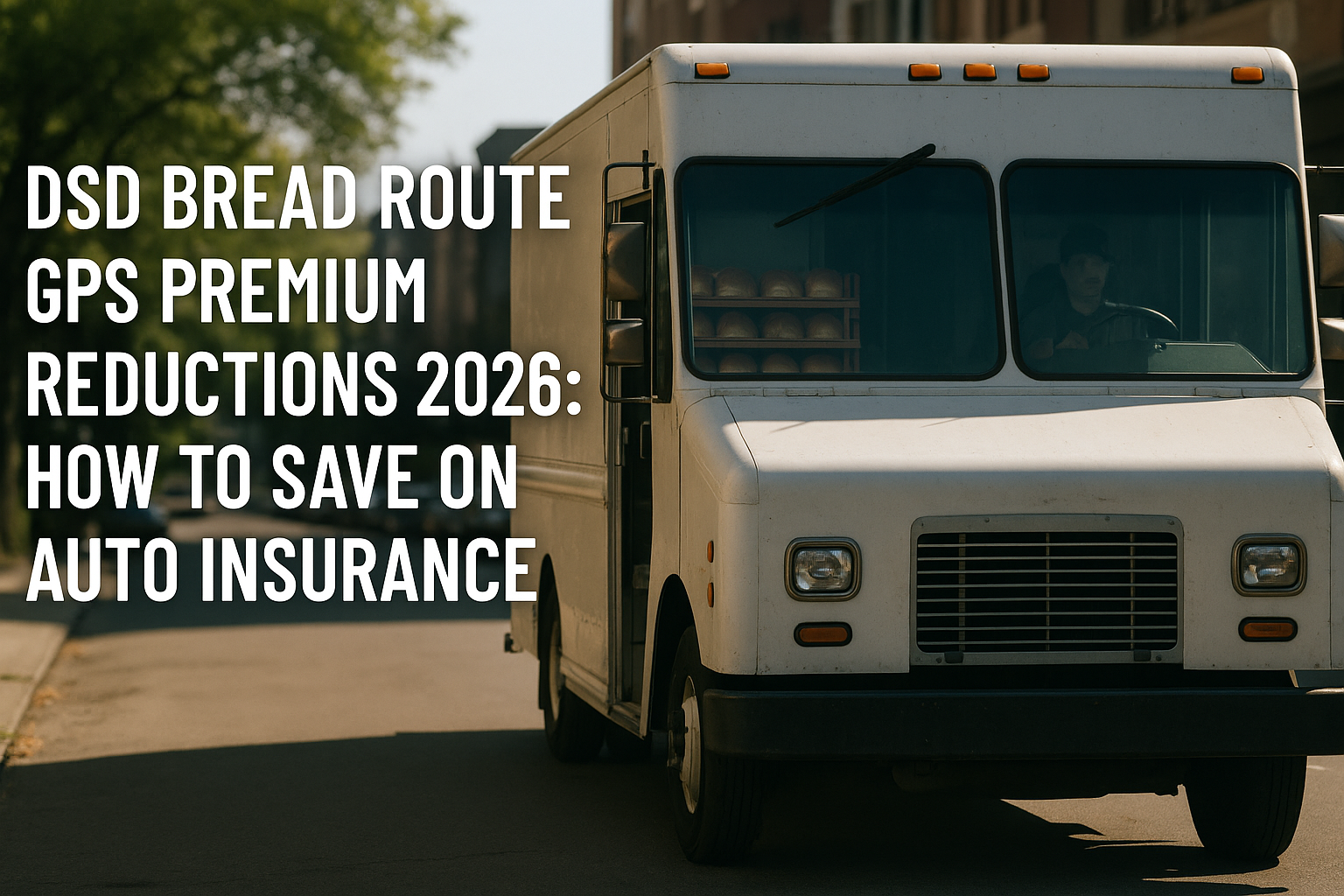
Save on DSD Bread Route Auto Insurance with GPS in 2026
Direct Store Delivery (DSD) bread routes are no easy feat—each day means delivery trucks navigating busy streets, multiple stops, and tight deadlines. For route operators, one ongoing major cost is auto insurance for these vehicles. Fortunately, GPS telematics technology is transforming the insurance landscape by enabling carriers to better evaluate risk and reward bread route fleets that monitor their vehicles with significant premium discounts.
In this article, we’ll explore how GPS tracking can help lower your auto insurance premiums on bread delivery trucks in 2026. We’ll discuss potential savings, qualification requirements, and why Routeway360 is your ideal partner to unlock discounts up to 15% for eligible operators. Whether you manage or insure DSD bread routes, understanding these trends can help you save substantially and keep your business running efficiently.

What Are DSD Bread Routes and Why Are Auto Insurance Premiums High?
DSD bread routes involve bakery companies delivering fresh bread and baked goods directly to grocery stores, convenience stores, and other retailers. Drivers follow fixed daily routes, making numerous stops—often contending with heavy urban or suburban traffic.
These routes require extensive driving, frequent stop-and-go traffic, and tight schedules. As a result, insurance providers view bread delivery trucks as higher risk. More time on the road increases chances of accidents, theft, and vehicle wear-and-tear—all factors that typically raise premiums. Additionally, some DSD fleets operate older trucks or have limited driver training programs, which can further impact risk assessments.
Here’s the good news: technology is shifting the risk landscape. GPS tracking installed in bread delivery trucks gathers real-time data on driving patterns, route selection, and security. Insurers now reward fleets using telematics with discounts by confirming safer driving and stronger risk controls.
Further reading: Learn more about mobile service business insurance and how technology is reshaping coverage options.
How GPS Tracking Helps Lower Auto Insurance Premiums on Bread Routes
Installing GPS devices on bread delivery vehicles sheds light on daily operations. Insurers rely on this telematics data to offer discounts for several key reasons:
- Safer Driving Monitoring: Tracking harsh braking, rapid acceleration, speeding, and other risky behaviors helps companies coach drivers toward safer habits, reducing accident risk.
- Route Optimization: GPS data refines routes to cut mileage and driving time, lowering exposure to hazards.
- Theft Prevention and Recovery: Real-time location tracking deters theft and speeds vehicle recovery—crucial for valuable delivery trucks.
- Accident Documentation: GPS records provide solid evidence of vehicle location and driver behavior during incidents, streamlining claims and preventing fraud.
- Compliance and Accountability: Location and usage data support enforcement of company policies and regulatory requirements, demonstrating proactive risk management.
This transparent, data-driven model encourages fleets to adopt GPS tracking. Today, many insurers offer telematics discounts or even require GPS monitoring as part of their commercial auto underwriting for bread delivery routes.
What Kind of Discounts Can Bread Route Operators Expect in 2026?
Thanks to evolving industry trends and Routeway360’s programs, DSD bread route operators who equip and consistently use GPS tracking can qualify for auto insurance premium discounts up to 15%. That represents significant savings—potentially thousands of dollars annually for fleets with multiple trucks.
Discount eligibility typically depends on factors such as:
- Consistency and reliability of GPS data
- Documented improvements in driver safety and reduction in incidents
- Demonstrated use of GPS for theft deterrence and route efficiency
- Fleet size and overall risk management strategies
- Specific insurer policies and underwriting standards
Routeway360 partners closely with operators to analyze delivery routes, recommend optimal GPS solutions, and negotiate favorable premium rates with insurers specializing in bread route coverage.
Internal resource: Explore our tool dealer insurance options to understand how telematics benefits similar delivery businesses.
Implementing GPS Tracking Systems: Tips for DSD Bread Routes
Simply installing a GPS device isn’t enough to secure premium discounts. A strategic, consistent approach is essential to maximize benefits:
- Select the Right GPS Hardware: Choose telematics devices designed for commercial vehicles that reliably monitor speed, braking, idling, and location.
- Integrate with Fleet Management Software: Use platforms that convert raw data into actionable insights to identify risky behavior and improve route planning.
- Provide Regular Driver Training: Share GPS feedback with drivers to encourage safer habits and address concerns early.
- Ensure Device Compliance: Keep GPS units active and transmitting accurate data during deliveries to meet insurer requirements.
- Utilize Theft Recovery Features: Employ geofencing and alerts to respond quickly if vehicles travel outside designated delivery zones.
Following these best practices not only helps secure insurance discounts but also enhances operational efficiency and driver responsibility. As a bonus, GPS tracking data can support business banking for small businesses by verifying routes and expenses.
Why Choose Routeway360 for Bread Route Insurance and GPS Premium Savings?
Routeway360 stands out in insurance for delivery and route-based businesses, including DSD bread operators. We understand the unique risks these fleets face and specialize in leveraging technology-driven discounts like GPS premium reductions.
Our services include:
- Personalized insurance quotes tailored to bread route telematics use
- Expert risk analysis to identify maximum savings opportunities
- Assistance selecting and deploying GPS tracking systems that meet insurer standards
- Access to a broad network of commercial auto insurers offering telematics discounts
- Continuous support with claims, renewals, and fleet expansion
Partnering with Routeway360 gives bread route operators industry expertise that lowers costs and simplifies insurance management in 2026 and beyond.
Further reading: Learn more about our wholesale and distributor insurance, which shares many risk characteristics with bread route fleets.
Frequently Asked Questions About DSD Bread Route GPS Premium Reductions
How does GPS tracking data influence my insurance premium?
Insurers use GPS data to verify safer driving practices, fewer incidents, and better route efficiency—all factors that improve your company’s risk profile and unlock premium discounts.
Can small bread route fleets qualify for GPS insurance discounts?
Definitely. Even smaller fleets benefit by installing GPS and demonstrating improved driver safety. Discounts rely on data quality and risk management, not just fleet size.
Are GPS premium discounts automatic after installing tracking devices?
Not immediately. Insurers usually review telematics data over time to ensure sustained safety improvements before applying discounts.
Does GPS tracking invade employee privacy?
GPS tracking focuses on vehicle use and driving behavior relevant to safety and routing—not personal data outside work hours. Transparent communication with drivers about this technology maintains trust.
How much can I save by using Routeway360 for my bread route insurance?
Routeway360 clients have achieved premium discounts up to 15% through GPS tracking. Actual savings depend on your fleet’s size, routes, and insurer underwriting policies.
Conclusion: Start Saving on Your Bread Route Auto Insurance with GPS in 2026
Operating a DSD bread route means managing significant auto insurance costs annually. Integrating GPS tracking technology offers a proven way to reduce those premiums by as much as 15%, while enhancing safety and efficiency. The key to success lies in partnering with knowledgeable experts like Routeway360 who understand bread route risks and telematics solutions.
Ready to optimize your routes and lower your insurance expenses? Get a tailored quote with Routeway360 today and discover how GPS tracking can start saving your bread route business money in 2026.