
Hablamos Español

877-792-9360

hello@routeway360.com

Hablamos Español

Window Cleaning Insurance: Ladders, Booms & Glass Coverage

Uncategorized

Window Cleaning Insurance: Ladders, Booms & Glass Coverage

Window cleaning isn’t your average nine-to-five — it’s a high-flying, sometimes glass-shattering adventure. From balancing on ladders to maneuvering boom lifts and delicately working with fragile glass, the risks are real and demand specialized insurance. Whether protecting your team, your gear, or the priceless windowpanes you’re tasked to clean, understanding the ins and outs of window cleaning insurance is a must.

Get a tailored quote to make sure your window cleaning business is covered from every angle.

Window cleaning crew securing ladder and inspecting equipment by modern branded white truck in quiet suburban neighborhood street

Why Window Cleaning Insurance Matters

Whether you’re sparkling up cozy homes or tackling towering skyscrapers, window cleaning comes with built-in hazards. Imagine working high off the ground on ladders or boom lifts—one slip, one malfunction, or one accidental dent and you could be facing expensive claims. Without proper insurance, those costs don’t just sting—they could sink your whole business.

That’s where Routeway360 steps in, offering insurance plans designed for the unique challenges window cleaners face. Think hefty liability coverage, gear protection, and glass breakage insurance—all to keep you covered when accidents inevitably strike.

Want to dive deeper? Check out mobile service business insurance for field operations just like yours.

Window cleaner working on ladder with insurance coverage icons overlay

Key Coverages in Window Cleaning Insurance

1. General Liability Insurance: $1 Million Coverage

Consider general liability insurance your business’s trusty sidekick. It guards against claims from bodily injury or property damage caused by you or your crew—like a customer tripping over your tools or accidentally nicking a neighboring storefront.

Routeway360’s window cleaning policies usually start with $1 million in liability coverage, which covers legal defenses, settlements, and other costly surprises. Tackling riskier jobs? Higher limits are always on the table.

2. Equipment Insurance: Ladders, Booms, and More

Your equipment is the backbone of your craft. Ladders and boom lifts get you to those hard-to-reach spots, but they’re vulnerable—prone to damage, theft, or breakdowns. A broken boom lift isn’t just a headache; it’s a costly one.

Equipment insurance, sometimes capped at amounts like $25,000, helps with repairs, replacements, and even liability if gear mishaps cause harm or damage. The beauty? You won’t have to pause business just because your gear needs a little TLC.

If you run heavy or pricey equipment, customize your coverage to fit the value and type of machinery you rely on.

3. Glass Breakage Insurance

Here’s the big fear for any window cleaner: breaking the glass you’re meant to make spotless. From single-family homes to towering office windows, accidents happen, and the costs to fix shattered panes can add up—and fast.

Glass breakage insurance picks up the tab for accidental damage during cleaning. This coverage often comes as an add-on or part of a full insurance package. Routeway360 knows how crucial this protection is and ensures you’re shielded properly.

Not only does it spare your wallet, but it also shows clients you mean business—vital when competing for contracts requiring damage protection.

Close-up of broken window pane with insurance icon overlay

High-Rise vs Residential Coverage

Window cleaning insurance isn’t one-size-fits-all. High-rise jobs bring extra risks: dizzying heights, strict safety gear like suspended scaffolds, and compliance with OSHA regulations. Residential cleaning typically focuses on safer heights but still demands coverage for ladder use and potential property or glass damage.

  • High-Rise Coverage: Designed for suspended scaffolding, boom lifts at precarious heights, and the rigorous safety standards those jobs require.
  • Residential Coverage: Emphasizes ladder safety, protecting home exteriors and landscaping, and covering glass breakage during your everyday cleans.

Routeway360’s insurance plans flex to meet both high-rise and residential needs—so you can grow confident across the board without coverage worries.

Explore mobile service business insurance options tailored for a range of service environments.

Window cleaner suspended on scaffolding at high-rise building

Additional Considerations for Window Cleaning Businesses

Workers’ Compensation for Employee Safety

Window cleaning is physically demanding and sometimes downright risky. From vertigo-inducing heights to tough weather conditions, accidents can happen. That’s why workers’ compensation insurance isn’t just a nice-to-have—it’s a must to cover medical bills and lost wages if your team gets hurt.

It’s a win for both sides: employees get the care they need, and you reduce liability while ticking state-mandated boxes. Routeway360 can bundle workers’ comp with your window cleaning policy for all-round peace of mind.

Commercial Auto Insurance

Transporting gear and crews requires wheels, so commercial auto insurance covers vehicle accidents, liability, and damage. Keeping your vehicle coverage and business insurance aligned means no gaps sneaking in when you’re on the road.

Bonding and Licensing Requirements

Some contracts or local regulations demand surety bonds or insurance proof. Getting your bonding and licensing ducks in a row with the right coverage can unlock bigger, better commercial opportunities.

Window cleaning crew vehicle driving on road with equipment

How to Choose the Right Window Cleaning Insurance

Picking the right insurance is a balancing act: shielding your business without draining your budget. Here’s how to get it right:

  1. Assess Your Risks: Take stock of your equipment, work sites, and past incidents to understand what needs coverage.
  2. Understand Coverage Limits: $1 million liability coverage is just a starting point—consider upping it for high-stakes jobs.
  3. Include Equipment and Glass Coverage: These reduce your out-of-pocket expenses for repairs and claims.
  4. Consider Employee and Vehicle Coverage: Don’t forget workers’ comp and commercial auto insurance.
  5. Work with Specialists: Partner with providers like Routeway360 who tailor plans specifically for window cleaning businesses.

For a detailed overview, check out Routeway360’s mobile service business insurance coverage.

Window cleaning business owner consulting insurance documents

Real-World Example: Protecting a High-Rise Window Cleaning Business

Imagine a commercial window cleaning company working downtown skyscrapers. On a gusty day, a worker on a boom lift drops a tool, damaging a parked car below. Without insurance, the company would face expensive lawsuits and repair costs.

Luckily, with $1 million general liability coverage plus equipment insurance for their boom lifts, the company’s insurance handles the property damage and legal fees. Add glass breakage coverage, and accidental window damage during cleaning is also reimbursed.

This layered approach isn’t just smart—it’s essential to keep your business running smoothly and protect your bottom line.

Frequently Asked Questions (FAQs)

Q1: Does regular business insurance cover window cleaning risks?

Usually, no. Standard policies often skip the unique dangers of working at heights and glass breakage. Specialized window cleaning insurance with ladder, boom lift, and glass protection is key for proper coverage.

Q2: How much does window cleaning insurance typically cost?

Costs vary by location, business size, equipment, and coverage. Small operations might expect to pay between $500 and $2,000 annually. Customized packages from providers like Routeway360 help you strike the perfect balance of price and protection.

Q3: Is glass breakage insurance mandatory?

Not always legally required, but many commercial clients or building managers insist on proof of glass breakage coverage to minimize risk.

Q4: What if I subcontract window cleaning jobs?

Subcontracting complicates things. Ensure subcontractors have adequate insurance or are named additional insureds on your policy to protect against coverage gaps.

Conclusion

Window cleaning insurance is your business’s safety net against the unique risks of ladders, boom lifts, and delicate glass. With solid coverage—including $1 million liability, $25,000 equipment protection, and glass breakage insurance—you can confidently clean anywhere from homes to high-rises.

Teaming up with a specialist like Routeway360 ensures your insurance fits your exact needs, unlocking new client opportunities and safeguarding your future.

Start your coverage today and secure your window cleaning business’s tomorrow.
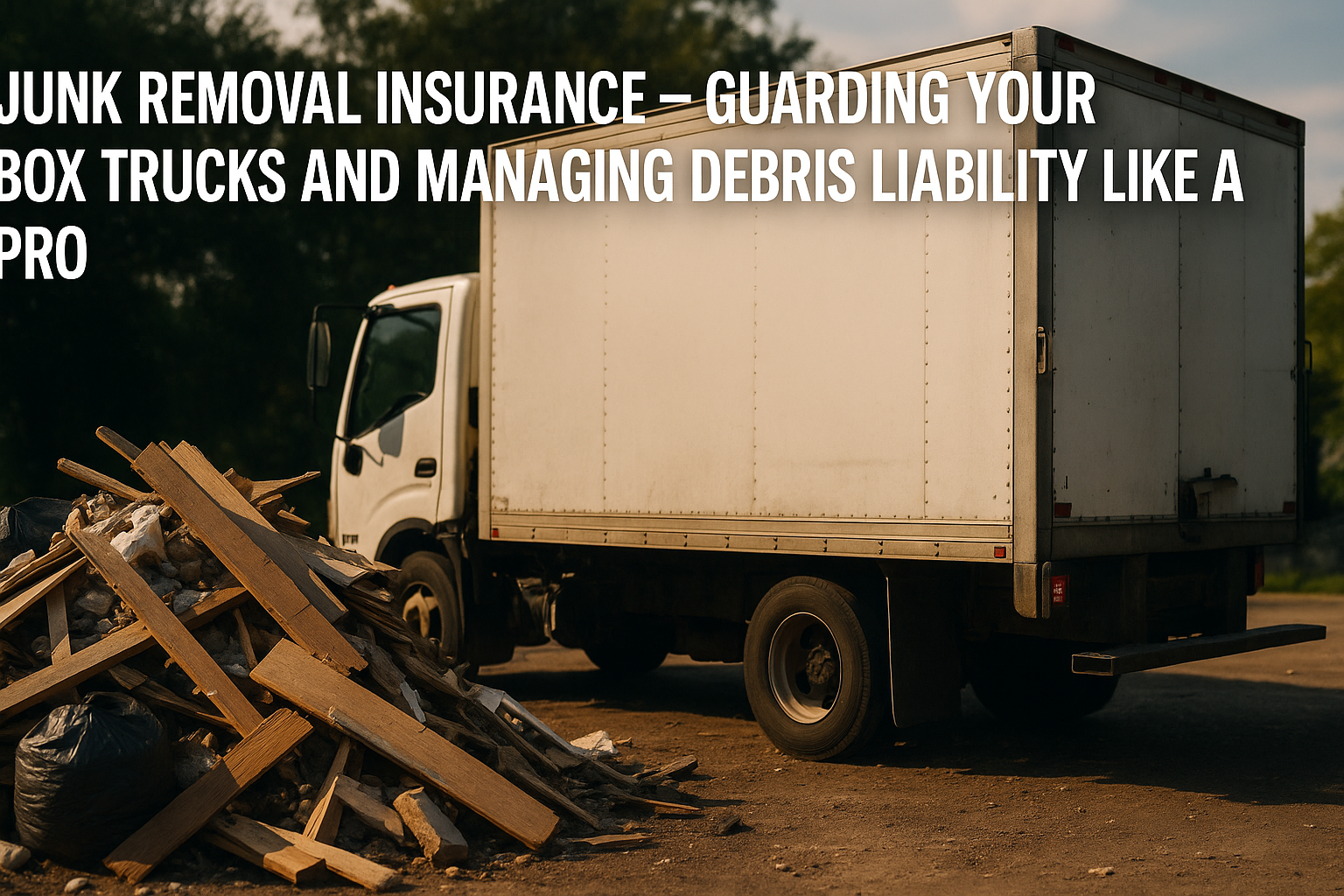
Junk Removal Insurance: Protect Your Box Trucks and Debris Liability

Uncategorized

Junk Removal Insurance – Guarding Your Box Trucks and Managing Debris Liability Like a Pro

Running a junk removal business isn’t just about hauling away the unwanted—it comes with unique risks that standard insurance policies often won’t cover. That’s why specialized junk removal insurance, especially for your box trucks and debris liability, is essential. It protects your assets, ensures compliance with regulations, and keeps your business running smoothly. In this article, we’ll explain why having $1 million auto liability, $25,000 box truck coverage, and debris liability insurance is vital. Plus, discover how Routeway360 helps protect you from common issues like nail punctures and property damage.

Get a customized quote today to ensure your junk removal business has the right coverage for every situation.

SwiftHaul Express white box truck with workers securing junk debris in residential neighborhood

Why Junk Removal Insurance Is More Than Just a Standard Policy

Junk removal companies face distinct challenges compared to many other businesses. While auto insurance is a basic necessity for any company with vehicles, junk removal requires stronger protection because:

  • Your vehicles transport heavy, bulky, and often sharp materials, increasing the risk of accidents and wear.
  • Box trucks and vans experience unique wear and tear, such as nail punctures caused by discarded debris.
  • Handling and disposing of various materials introduces added liability risks including debris spills, property damage, and environmental concerns.

A standard commercial auto policy usually falls short. Junk removal professionals need tailored coverage to protect their box trucks and cover debris liability. This way, your finances stay secure when hazards arise during daily operations.

Essential Coverage for Junk Removal Businesses

$1 Million Auto Coverage

If your business involves transporting materials, a solid $1 million auto liability policy is crucial. It’s often required and covers accidents causing bodily injury or property damage involving your vehicles.

  • Protects against injury lawsuits and claims following truck incidents on roads or client sites.
  • Covers damages to other vehicles or public property from truck accidents.
  • Provides peace of mind to drivers and owners, ensuring financial protection.

Remember, this auto insurance covers your box truck while driving but doesn’t usually protect against damage that occurs onsite—that’s when additional coverage matters.

$25,000 Box Truck Coverage

Your box truck is at the heart of your junk removal business, but it’s vulnerable. Nails, sharp debris, and heavy loads can cause punctures, scratches, and dents.

Specialized box truck coverage around $25,000 helps cover costs such as:

  • Repairing punctures or tears caused by nails and spikes
  • Fixing damage to cargo areas from heavy or abrasive debris
  • Replacing or repairing truck parts affected during loading and unloading

Without this coverage, unexpected repair bills can eat into profits. It keeps your trucks operational and reduces downtime.

Debris Liability Insurance

Debris liability insurance protects against situations where debris causes property damage or bodily injury on or after a job. Imagine:

  • Debris falls from your truck, damaging a neighbor’s windshield.
  • Nails left at a site puncture a customer’s property.
  • Environmental issues from spills or improper containment.

Most importantly, debris liability covers legal costs and settlements if your business is held liable for debris-related incidents. Though often overlooked, it’s critical for avoiding costly lawsuits.

Want more details? Check out our in-depth guide on waste management route insurance.

Workers handling debris near a white box truck in residential area

Everyday Challenges Junk Removal Businesses Encounter

To illustrate why this coverage matters, consider these common issues:

  • Nail Punctures: Nails embed into your box truck’s tires or cargo area during loading, leading to costly repairs and work delays.
  • Property Damage: Debris falling off trucks can damage nearby vehicles or property, triggering liability claims.
  • Environmental Incidents: Improper debris containment can result in fines or cleanup expenses.

Having insurance tailored to these risks isn’t just wise—it’s key to protecting your business’s reputation and finances.

How Routeway360 Supports Junk Removal Pros

Routeway360 specializes in insurance designed for junk removal and waste hauling businesses. Their coverage packages typically include:

  • Comprehensive auto insurance with $1 million limits for accidents and liability.
  • Box truck physical damage coverage addressing nail punctures, cargo wear, and debris-related damage.
  • Debris liability insurance protecting you from claims related to debris handling and disposal mishaps.

Routeway360’s insurance experts understand junk removal’s day-to-day challenges. They tailor policies to industry-specific risks and state regulations, helping close costly coverage gaps and giving you peace of mind.

Interested in more ways to save and protect your business? Learn how to combine truck and equipment insurance effectively.

Careful handling of bulky debris by workers next to branded box truck

Tips for Choosing the Best Junk Removal Insurance

  1. Evaluate Your Fleet and Risks: Inventory your trucks, equipment, and debris types so your coverage aligns perfectly.
  2. Secure Strong Liability Limits: Aim for at least $1 million auto liability and ensure debris liability is included.
  3. Don’t Miss Physical Damage Coverage: General commercial auto policies often exclude damage from nails or debris punctures—get box truck-specific protection.
  4. Work with Industry-Savvy Insurers: Choose insurers like Routeway360 that understand junk removal and tailor coverage to your needs.
  5. Read Exclusions and Deductibles Carefully: Know what’s not covered and your out-of-pocket responsibilities.

Nailing your junk removal insurance isn’t just checking a box—it’s about protecting your trucks, customers, and reputation.

FAQs About Junk Removal Insurance

What is debris liability insurance, and why do I need it?

Debris liability insurance protects your business from claims related to property damage or injuries caused by debris during junk removal. Since debris can fall off vehicles or cause onsite damage, this coverage limits your financial risk.

How much auto insurance do junk removal trucks need?

Industry experts and regulations generally recommend at least $1 million in auto liability insurance to cover bodily injury and property damage claims from accidents.

Does general commercial auto insurance cover damage from nails and debris?

Typical commercial auto insurance covers vehicle accidents but often excludes physical damage from nails or debris punctures in box truck cargo areas. Specialized coverage fills this gap.

Can I bundle junk removal insurance with other types of business insurance?

Yes. Many insurers, including Routeway360, offer bundled policies that cover vehicles, equipment, liability, and more—simplifying management and often saving money.

What happens if debris falls off my truck and causes damage?

Your debris liability insurance should cover damages or injuries caused by fallen debris, including legal claims or settlements—if you have appropriate coverage limits.

Conclusion

Junk removal businesses face risks that typical commercial insurance often overlooks. With $1 million auto coverage, $25,000 box truck damage protection, and comprehensive debris liability insurance, you can operate confidently, protecting your trucks, clients, and profits.

Partnering with a specialized insurer like Routeway360 ensures you get coverage designed for your unique needs—shielding you from common challenges like nail punctures and unexpected property damage.

Don’t wait for the unexpected—start your insurance coverage with Routeway360 today and protect everything you’ve worked hard to build.