
Hablamos Español

877-792-9360

hello@routeway360.com

Hablamos Español

Waste Management Insurance for Garbage Trucks & Roll-Offs

Uncategorized

Waste Management Insurance for Garbage Trucks & Roll-Offs

Modern white roll-off garbage truck with CargoLink Freight logo and two workers in high-visibility jackets beside it

Operating a waste management business means managing daily risks—from navigating fleets of garbage trucks to hauling heavy loads with roll-off dumpsters. Having insurance tailored specifically to these challenges is not just smart; it’s absolutely essential. With mandatory coverages like $1 million auto liability and $2 million environmental liability, plus specialized protection for roll-off trucks, waste management companies face risks that standard business insurance often fails to cover.

If you’re looking for solid protection for your garbage truck fleet and roll-off operations without overspending, Get a tailored quote with Routeway360. Their focused waste management insurance solutions typically offer rates about 20% below national averages—helping you cut costs while staying compliant and secure.

Why Waste Management Requires Specialized Insurance

Garbage truck on busy street representing vehicle liability risks

Waste management isn’t your typical business—it involves complex liabilities that demand specific insurance coverage to keep your operations running smoothly and your finances protected. Here’s why:

  • Vehicle Liability: Garbage and roll-off trucks navigate busy streets daily, hauling heavy loads that can cause serious damage or injuries in an accident. That’s why $1 million auto liability insurance is generally required, covering bodily injury and property damage claims from truck incidents.
  • Environmental Liability: Waste hauling involves more than just roads—pollution or contamination events can trigger costly environmental cleanups and legal challenges. A $2 million environmental liability policy acts as a financial safeguard against these expensive claims.
  • Property and Equipment Risks: Roll-off dumpsters, trucks, compactors—all expensive equipment vulnerable to theft, damage, or breakdown. Proper protection is essential.
  • Employee and Safety Risks: From minor job scrapes to workplace injuries during waste collection, workers’ compensation and employee coverage are must-haves to protect both your team and your business.

Standard commercial policies often overlook these specialized risks. That’s why waste management insurance is designed to address every unique challenge your business faces.

Factors Influencing Waste Management Insurance Cost and Coverage

Close up of insurance documents with pen and calculator on desk

Premiums and coverage for garbage trucks and roll-offs aren’t one-size-fits-all. Insurance experts carefully consider:

  • Fleet size and types of vehicles covered
  • Service areas and geography—urban traffic versus rural routes
  • Waste types hauled—commercial, residential, or hazardous materials
  • Claims history and safety performance
  • Compliance with environmental and trucking regulations

Knowing these details helps businesses customize policies that balance protection and cost effectively. Partnering with specialists in waste management route insurance can help you secure the right coverage at the best price.

Key Coverage Components for Garbage Truck & Roll-Off Insurance

Garbage truck with roll-off dumpster secured for transport

To protect your waste management operation thoroughly, insurers typically combine coverages that address both property and liability risks.

1. Auto Liability Insurance ($1 Million Minimum)

This coverage forms the foundation of your insurance plan. Garbage and roll-off trucks log extensive miles on congested roads, increasing the chances of accidents causing injury or property damage. Auto liability insurance covers such claims, with a minimum limit of $1 million, meeting many state and federal trucking regulations for solid protection.

2. Environmental Liability Insurance ($2 Million Minimum)

Pollution liability is a major financial threat. A single spill or improper disposal can lead to environmental damage, hefty fines, and lawsuits that drain your resources. A $2 million environmental liability policy is essential—it covers cleanup costs and legal expenses before these issues overwhelm your business.

3. Physical Damage Coverage

Roll-off trucks and dumpsters are costly assets that face daily wear, collisions, or vandalism. Physical damage insurance covers repair or replacement costs, keeping your equipment operational without draining your budget.

4. Workers’ Compensation and Employer Liability

Waste management is demanding and sometimes dangerous work. Workers’ compensation covers employee medical bills and lost wages if workplace injuries occur—a legal requirement in most states.

5. Cargo and Contamination Coverage

Some policies extend coverage to protect waste cargo in transit and shield you from contamination claims on customer properties. This extra layer helps avoid potentially costly problems.

Bundling these coverages creates a comprehensive insurance package that lets waste management companies operate confidently—knowing their compliance and operational risks are fully managed.

How Routeway360 Offers Competitive Waste Management Insurance

Satisfied waste management business owner discussing insurance options

Routeway360 understands that waste management is not a one-size-fits-all industry. Their advantage lies in deep industry expertise combined with smart underwriting to eliminate unnecessary coverage and reduce premiums.

Recent data shows Routeway360 clients typically enjoy premiums about 20% lower than national averages for comparable coverage. This savings comes from carefully analyzing fleet sizes, route densities, types of loads, and safety records—rewarding responsible business practices.

Other benefits include:

  • Customized insurance packages for garbage trucks and roll-off equipment
  • Fast, hassle-free quotes and policy setup
  • Access to experts knowledgeable in environmental liability and trucking regulations
  • Convenient online tools to manage your policies on your schedule

For waste management professionals seeking strong protection without inflated costs, Routeway360 is a trusted partner.

Learn more: waste management route insurance, Get a tailored quote

Tips for Selecting the Right Waste Management Insurance

Checklist for insurance selection on clipboard with pen

Choosing insurance isn’t just about the price—you need coverage that fits your unique risks. Keep these tips handy:

  • Assess Your Risk Profile: Review your fleet size, service areas, waste types, and claim history to understand your exposure.
  • Verify Regulatory Compliance: Ensure your coverage meets or exceeds state and federal trucking and environmental requirements.
  • Choose Specialized Providers: Partner with insurers familiar with waste management, including garbage truck and roll-off risks.
  • Compare Coverage Details: Don’t just pick the lowest premium—examine deductibles, exclusions, and limits carefully.
  • Consider Bundling: Combining coverages can save money and simplify policy management.

Following these pointers helps you avoid coverage gaps and control costs effectively.

FAQs About Waste Management Insurance

FAQ icon with question marks and answers

Which trucks need specialized insurance in waste management?

Garbage trucks, roll-off trucks, compactors, and other heavy-duty waste hauling vehicles require specialized auto liability and physical damage coverage due to their demanding use and regulatory standards.

Why is environmental liability coverage crucial?

Waste operations risk accidental pollution or contamination, making environmental liability coverage vital to protect against expensive cleanup costs, fines, and legal actions.

Can waste management insurance be bundled with other business policies?

Yes. Many insurers, including Routeway360, offer bundled packages combining auto, environmental, workers’ compensation, and equipment coverage—enabling better pricing and simpler management.

How does Routeway360 reduce costs compared to national averages?

Through focused underwriting, in-depth knowledge of waste management risks, and pricing that rewards safety and efficiency, they lower premiums without sacrificing protection.

Conclusion: Secure Your Waste Fleet with Proper Coverage

Confident waste management operator reviewing insurance coverage

Don’t risk your garbage truck and roll-off fleet without specialized insurance. This coverage is your safety net against unforeseen expenses and liabilities. With essential auto and environmental liability, physical damage, and workers’ compensation, you cover every critical aspect of your business.

Routeway360 stands out as a market leader by understanding your unique risks and delivering competitive rates often 20% below national averages. Choosing them means gaining strong protection without compromising affordability or compliance.

Don’t leave your waste management company vulnerable. Start your coverage today and keep your operations running smoothly and safely for years to come.
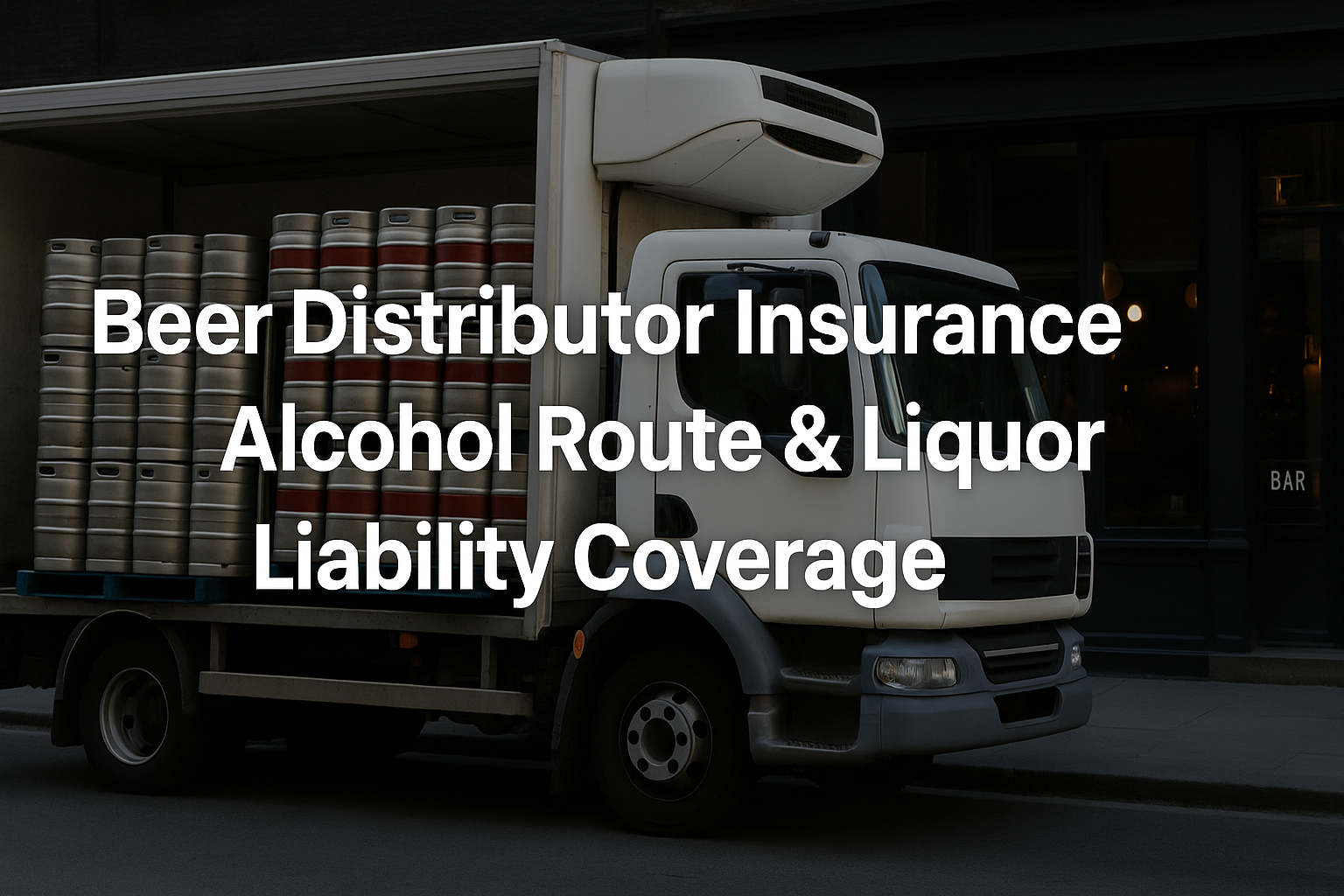
Beer Distributor Insurance: Protecting Your Alcohol Routes

Uncategorized

Beer Distributor Insurance: Alcohol Route & Liquor Liability Coverage

Being a beer distributor is more than just moving kegs from breweries to bars, restaurants, and stores—it comes with unique challenges. To keep your business running smoothly and protect your assets, you need insurance tailored to the specific risks of your trade. From meeting liquor liability laws to safeguarding your refrigerated trucks, the right coverage is essential.

In this article, we’ll break down the must-have elements of beer distributor insurance, focusing on alcohol route coverage and liquor liability policies. You’ll learn about industry standards like $1 million liquor liability limits, $50,000 cargo protection, and refrigerated truck coverage. Plus, discover how Routeway360 creates insurance packages that keep your deliveries safe all along the route from brewery to bar.


Get a tailored quote
today and see why insurance designed specifically for your beer distribution business makes all the difference.

Refrigerated cargo truck with workers inspecting temperature controls at highway rest area

Why Beer Distributor Insurance is Vital

Beer distributors play a crucial role in the alcohol supply chain, ensuring drinks reach licensed retailers safely and legally. However, this role carries significant risks:

  • Liquor liability exposure: Distributing alcohol can lead to serious legal issues if intoxication results in injury or property damage.
  • Product transit hazards: Beer is perishable and must be transported under controlled conditions to avoid spoilage or damage.
  • Theft and property loss risks: Refrigerated trucks and their cargo are prime targets for thieves and vulnerable to road accidents.
  • Regulatory compliance: Alcohol distribution is heavily regulated at state and federal levels, requiring financial responsibility backed by insurance.

Without the right insurance, a single lawsuit or accident could financially sink your operation. That’s why standard beer distributor policies usually include liquor liability coverage with a $1 million limit, $50,000 in cargo insurance for goods in transit, plus refrigerated truck protection to prevent spoilage.

Want to explore further? See how

waste management route insurance
protects other commercial delivery routes.

Understanding Liquor Liability Coverage for Beer Distributors

Workers inspecting refrigerated truck’s temperature controls during beer distribution

If you can’t skip one policy, it’s liquor liability insurance. This coverage protects your business if someone gets hurt or causes damage due to intoxication linked to the alcohol you distribute.

What Liquor Liability Covers

  • Injury or property damage claims: For example, when alcohol is served to an underage or visibly intoxicated person who later causes harm.
  • Third-party bodily injury: Such as drunk driving accidents tied directly to your product.
  • Legal defense costs: Covers attorney fees and court costs in lawsuits related to alcohol distribution.

Liquor laws differ by state, so insurance requirements can vary. Still, a $1 million liquor liability limit is typically the industry standard—offering a solid balance between cost and protection against costly claims.

Routeway360 guides you through these complex rules, helping your beer distribution remain compliant and fully insured.

Interested in related options? Explore our

wholesale and distributor insurance
solutions.

Alcohol Route Coverage: Protecting Your Beer on the Move

Beer distribution refrigerated truck parked with crew preparing deliveries

Transporting your product isn’t just driving; it involves managing risks like accidents, theft, and spoilage that can affect your bottom line. That’s where robust alcohol route coverage comes in.

Key Components of Alcohol Route Insurance

  • Cargo Insurance ($50,000 typical): Shields your beer while in transit, crucial for refrigerated shipments sensitive to temperature changes or delays.
  • Refrigerated Truck Protection: Since beer quality depends on precise temperature control, this coverage extends to refrigerated trucks and their specialized equipment.
  • Commercial Auto Insurance: Customized policies covering multi-stop delivery routes, including driver liability and vehicle protection.

Many states and clients require proof of coverage—breweries and bars often ask for at least $50,000 in cargo insurance plus refrigerated vehicle endorsements.

Routeway360 combines liquor liability and route insurance into one seamless package, letting you focus on deliveries instead of paperwork.

For similar coverage details, check out

mobile service business insurance
.

Additional Considerations for Beer Distributor Insurance

Team inspecting refrigerated truck at sunset during beer distribution

Liquor liability and cargo coverage are just the beginning. To fully protect your operation, think about these additions:

  • Property Insurance: Covers warehouses, cold storage, and inventory protection.
  • Workers’ Compensation: Protects employees working with heavy equipment, driving, and handling products.
  • General Liability: Guards against incidents like slips, falls, and other non-alcohol-related accidents on your premises.
  • Business Interruption Insurance: Maintains your income flow if a covered event forces a pause in operations.

Adding these coverages rounds out your insurance strategy to safeguard every aspect of your beer distribution business.

Looking for more insights? Discover our

incorporation services
, designed to protect your business structure alongside your insurance.

How Routeway360 Protects Your Alcohol Distribution Routes

Beer distribution crew inspecting refrigerated truck during route stop

Routeway360 understands the complexities of alcohol distribution and recognizes there’s no one-size-fits-all insurance. That’s why we offer customized packages that cover every angle:

  • Industry-specific liquor liability limits tailored to meet state laws and client demands.
  • Cargo coverage designed for sensitive, refrigerated beer shipments with appropriate limits.
  • Customized commercial auto policies built for multi-stop delivery routes and refrigerated trucks.
  • Risk management guidance and regulatory support to keep you free from penalties and coverage gaps.

Whether you’re a small local operation or a regional leader, Routeway360’s tailored insurance solutions help reduce your risk and protect your reputation.

Getting the right insurance is straightforward and essential.

Talk to a specialist
at Routeway360 and keep your beer distribution routes secure from brewery to bar.

FAQs About Beer Distributor Insurance

1. Why do I need $1 million in liquor liability coverage?

Alcohol-related lawsuits can lead to enormous damages. Having a $1 million limit ensures your business can cover legal fees and compensation without risking financial jeopardy.

2. What does cargo insurance cover for beer distributors?

Cargo insurance protects your beer during transit from theft, damage, or spoilage—especially crucial for temperature-sensitive refrigerated shipments.

3. Are refrigerated trucks insured differently?

Yes. Refrigerated trucks require special endorsements to cover equipment breakdowns and failures in temperature control systems.

4. Can I bundle my liquor liability and cargo insurance?

Absolutely! Routeway360 offers bundled policies that simplify managing coverage while maximizing protection.

5. Does Routeway360 assist with regulatory compliance?

Yes. We ensure your insurance meets all state and federal laws plus client requirements, minimizing your legal risks.

Conclusion

Insurance for beer distributors isn’t optional—it’s a crucial shield against the unique risks of alcohol distribution. With mandatory $1 million liquor liability coverage, $50,000 cargo protection, and refrigerated truck insurance, you can effectively safeguard your business and delivery routes.

Routeway360 specializes in customized insurance solutions covering your entire alcohol route, from brewery to bar. Their comprehensive policies, expert advice, and personalized support give you peace of mind, letting you focus on expanding your distribution network without worry.

Don’t leave your business vulnerable—

start your coverage
with Routeway360 today to ensure every delivery arrives fully protected.