Pepperidge Farm Distributors: Everything You Need to Know About Insurance Coverage
If you’re a Pepperidge Farm distributor—or considering becoming one—it’s vital to understand the essentials of insurance coverage. Distributing beloved products like Pepperidge Farm bread and snacks comes with its unique risks and responsibilities. Having the right insurance safeguards your business and ensures you meet all Pepperidge Farm distributor requirements.
Get a tailored quote
to secure coverage perfectly suited for your Pepperidge Farm distribution business.

Why Insurance Matters for Pepperidge Farm Distributors
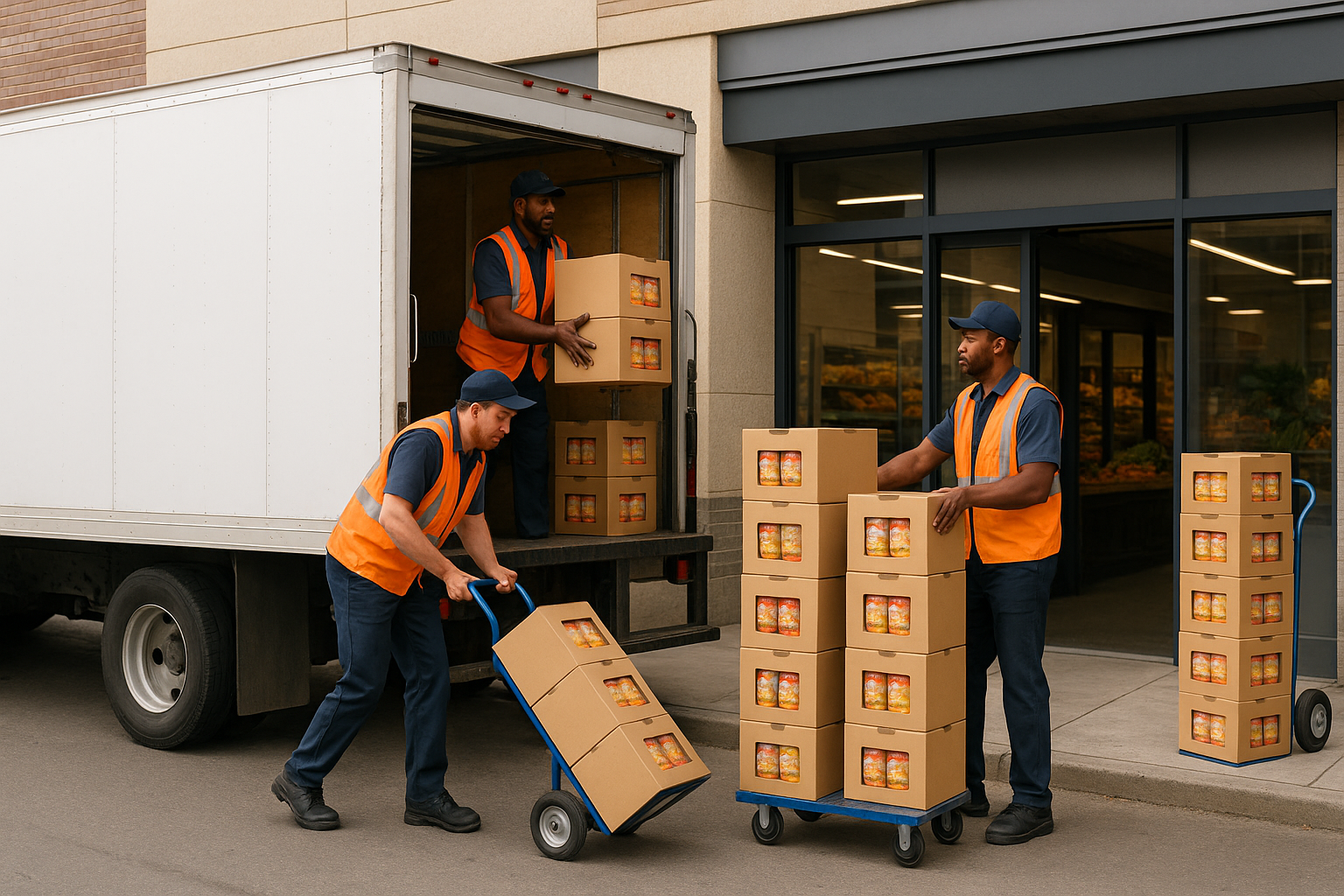
If you operate a Pepperidge Farm bread route or deliver those popular snacks, you manage valuable inventory, frequent driving, and constant interaction with retailers and customers. Naturally, risks arise such as vehicle accidents, product damage, or liability claims.
Insurance for Pepperidge Farm distributors isn’t optional—it’s essential. It protects your business’s financial health and keeps you compliant with Pepperidge Farm’s standards. Plus, it builds trust with retailers and vendors by showing you operate responsibly.
For more details, explore our guide on wholesale & distributor insurance designed for businesses like yours.

Key Insurance Coverages for Pepperidge Farm Distributors
Pepperidge Farm distributors generally require several essential insurance types. Here’s a quick overview:
- Commercial Auto Insurance: Your delivery vehicles are critical assets. This coverage protects you against accidents, damages, or injuries involving your trucks or vans.
- General Liability Insurance: This safeguards your business from third-party claims related to bodily injury, property damage, or personal injury during distribution.
- Product Liability Insurance: Food products carry risks. This insurance protects you if a defect, contamination, or spoilage leads to consumer claims.
- Property Insurance: If you store inventory or equipment, this policy protects against fire, theft, and natural disasters.
- Workers’ Compensation: If you employ staff, this covers work-related injuries or illnesses, as accidents can happen to any team.
Each policy component strengthens your Pepperidge Farm distribution business against a wide range of risks.
Understanding Additional Insured Requirements for Pepperidge Farm
Pepperidge Farm typically requires distributors to list them as an additional insured on their insurance policies. This means Pepperidge Farm is co-protected under your coverage.
This arrangement ensures that if an incident occurs—such as a customer lawsuit following a delivery error—Pepperidge Farm is also covered.
Be sure your insurance provider correctly adds Pepperidge Farm as an additional insured with the proper paperwork and policy endorsements aligned with your distributor contract.
Learn more about how insurance policies can be customized to meet additional insured requirements.

Special Considerations for Bread Route Insurance with Pepperidge Farm
Bread route insurance caters specifically to businesses delivering bakery goods. For Pepperidge Farm distributors, consider these added factors:
- Inventory Coverage: Baked goods are perishable, so ensure your insurance covers spoilage or losses from refrigeration failures or delivery delays.
- Vehicle Cargo Insurance: This protects your products while in transit, crucial for snacks and bread alike.
- Route Interruptions: Coverage for lost income due to vehicle breakdowns or weather disruptions can help mitigate unexpected setbacks.
Customizing bread route insurance to these needs helps prevent costly surprises during deliveries.
Interested in related coverage? Check out mobile service business insurance options that support route-focused businesses.

Snack Distributor Insurance Requirements for Pepperidge Farm Distributors
Distributing Pepperidge Farm snacks involves a few additional insurance considerations beyond bread routes:
- Product Recall Insurance: If a recall occurs due to contamination or packaging faults, this coverage helps manage the financial impact.
- Food Safety Compliance: Insurance may require proper certifications and training to ensure responsible food handling.
- Commercial Liability & Property: Protect your storage and transport areas specifically dedicated to snack products.
Meeting these requirements helps maintain a smooth partnership with Pepperidge Farm and keeps your contracts intact.

Choosing the Right Insurance for Your Pepperidge Farm Distribution Business
Selecting the best insurance package can be overwhelming. Here’s how to simplify it:
- Review Distributor Agreements: Understand your Pepperidge Farm contract’s insurance clauses, including coverage minimums and additional insured demands.
- Bundle Policies: Look for combined plans that cover auto, liability, and cargo insurance to save money and reduce hassle.
- Work with Experienced Agents: Partner with insurance experts knowledgeable in food distribution, such as those specializing in wholesale & distributor insurance.
- Regularly Update Coverage: Adjust your policies as your distribution grows to maintain sufficient protection.
- Keep Compliance Documentation: Maintain proof of insurance and endorsements, as Pepperidge Farm may request them.
Additional Tips for Insurance Success
- Implement strong risk management with routine vehicle maintenance and employee safety training to reduce claims.
- Consider coverage for hired or non-owned vehicles if you use subcontracted drivers.
- Explore cyber liability insurance if your business relies on digital ordering or route management systems.
Common Questions About Pepperidge Farm Distributor Insurance
What does being an additional insured mean for Pepperidge Farm on my policy?
It means Pepperidge Farm is added to your insurance policies to ensure they’re protected from claims related to your distribution operations. It offers them legal and financial protection.
Do I need product liability insurance as a Pepperidge Farm distributor?
Absolutely. Since you deliver food products, product liability coverage protects you against claims from contamination or allergic reactions.
Can multiple bread routes be insured under one policy?
In most cases, yes. Many insurers offer scalable policies covering multiple vehicles and routes, but confirm details with your provider.
Is workers’ compensation necessary for independent distributors?
If you have employees or contractors working on your routes, workers’ comp is likely required by law and Pepperidge Farm’s policies.
Conclusion: Secure Your Pepperidge Farm Distribution Business with Proper Insurance
Choosing the right insurance for your Pepperidge Farm distribution business is crucial for compliance, protecting your assets, and securing your income. From commercial auto insurance for bread routes to product liability for snack deliveries, comprehensive coverage keeps your operation safeguarded.
Don’t overlook additional insured requirements and the special insurance needs that your delivery routes demand.
Working with knowledgeable insurance professionals who understand wholesale and distribution risks can save you stress and support your business’s growth.
Get a tailored quote
today and start building the perfect insurance plan for your Pepperidge Farm distribution future.